Whole Food Scores
Every food below is graded on real nutritional quality — nutrient density, protein, fiber, healthy fats, beneficial plant compounds, and glycemic impact — not just calories. 486 whole foods indexed.
- Vegetable138
- Fruit96
- Herbs & Spices77
- Grain46
- Legume27
- Dairy26
- Meat25
- Nuts & Seeds19
- Seafood14
- Oils & Fats10
- Eggs7
- Beverages1
Vegetable
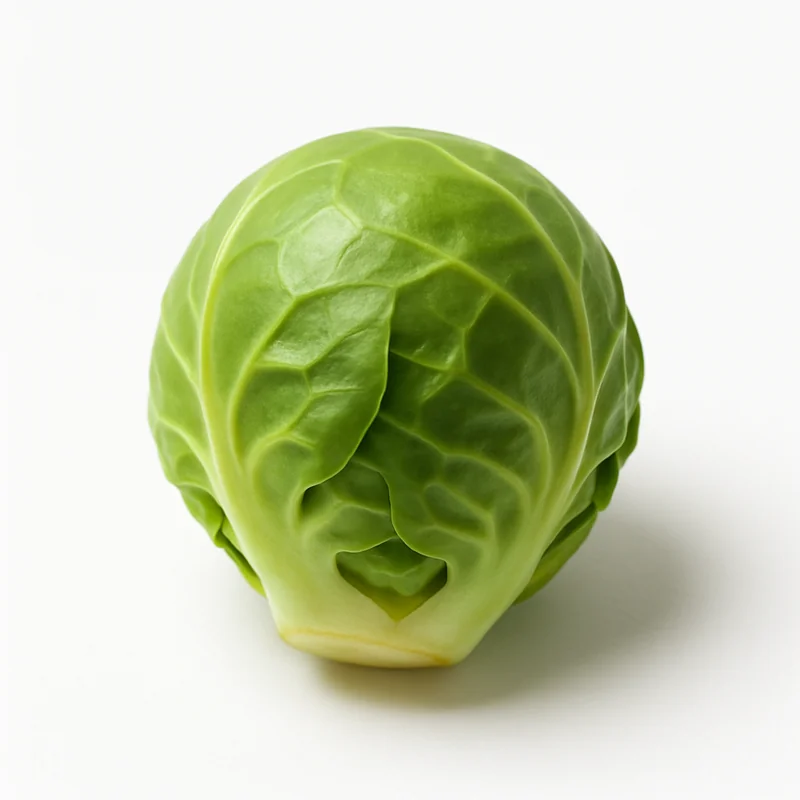
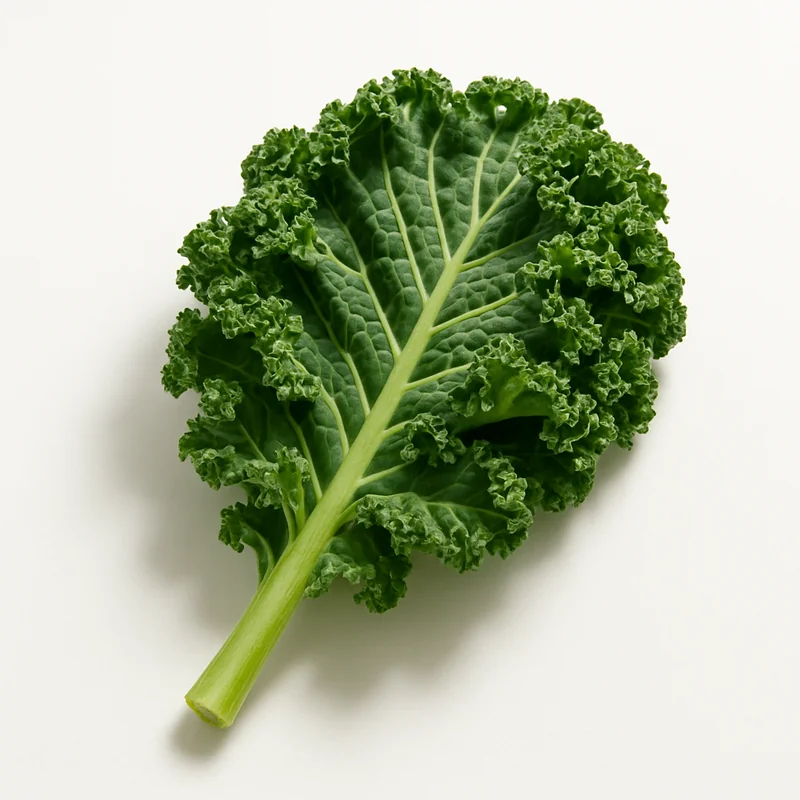
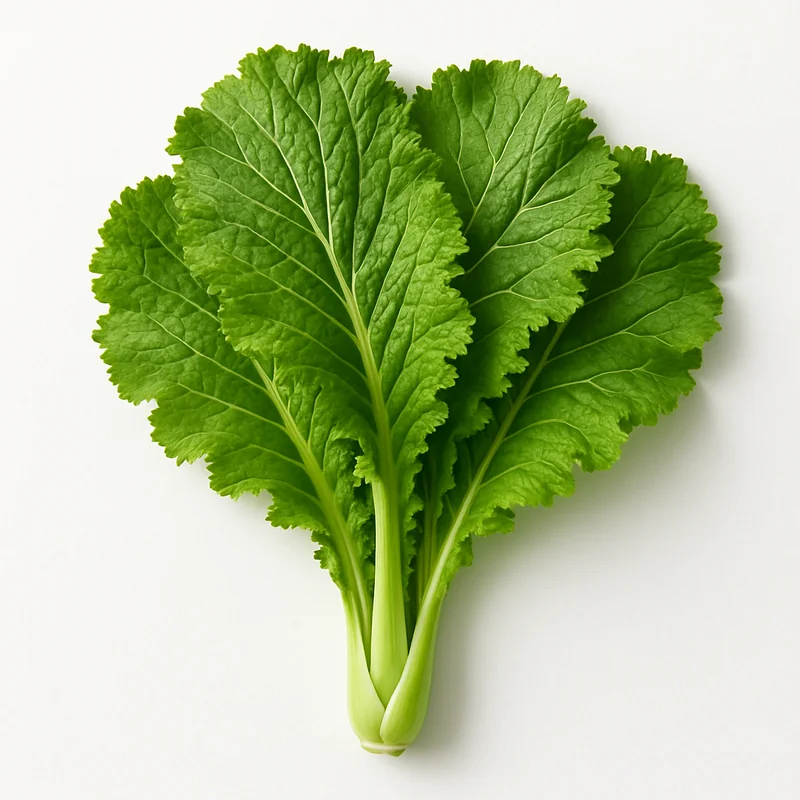
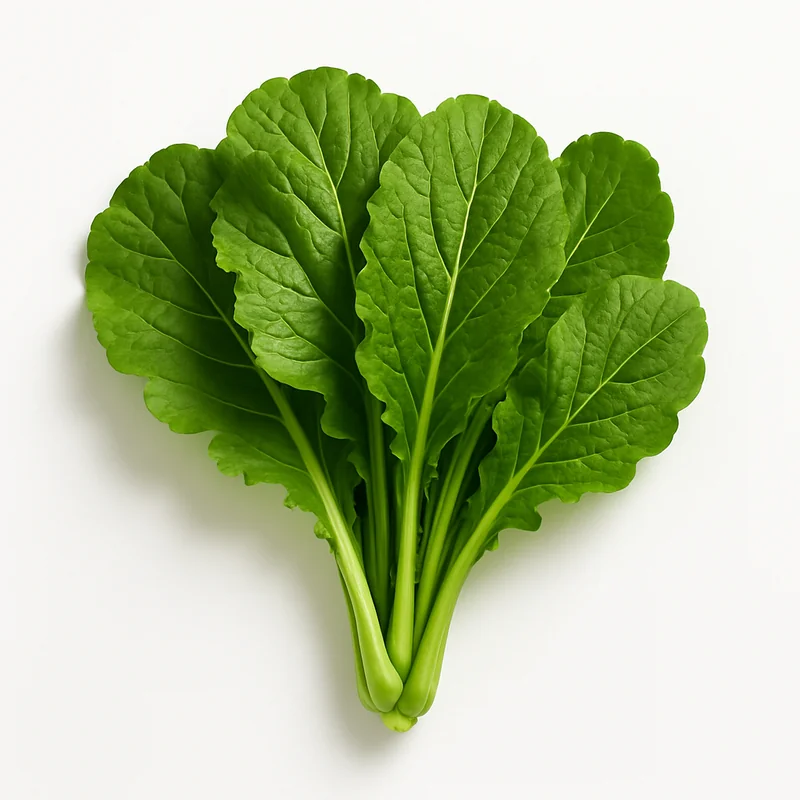
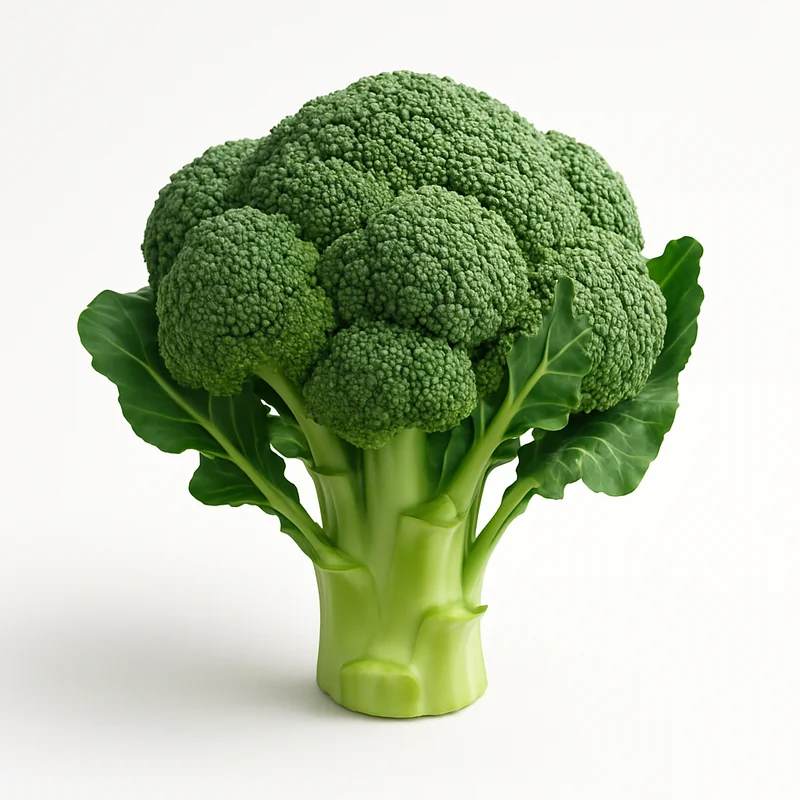
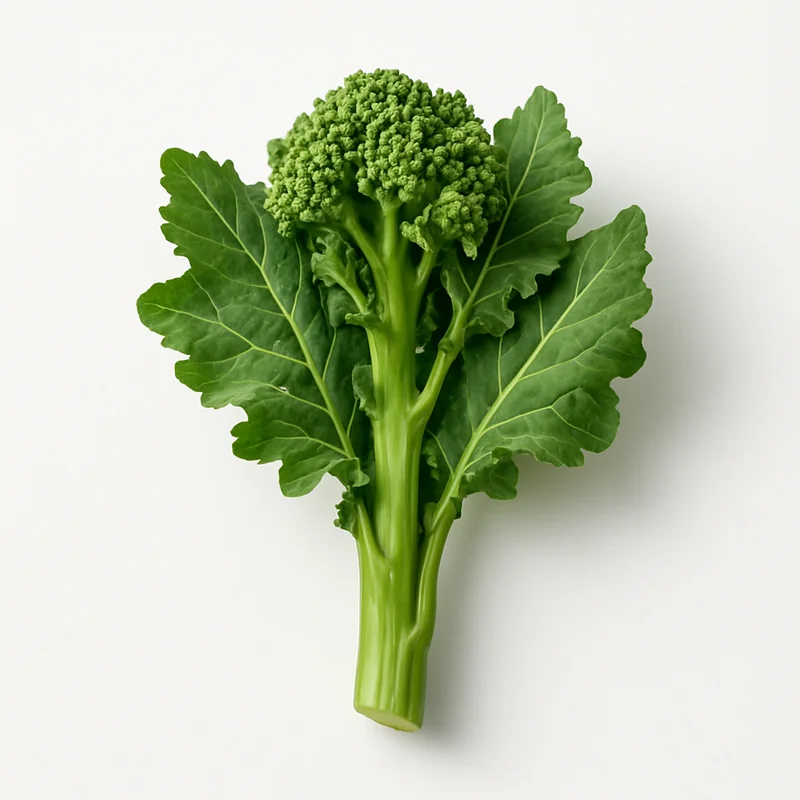
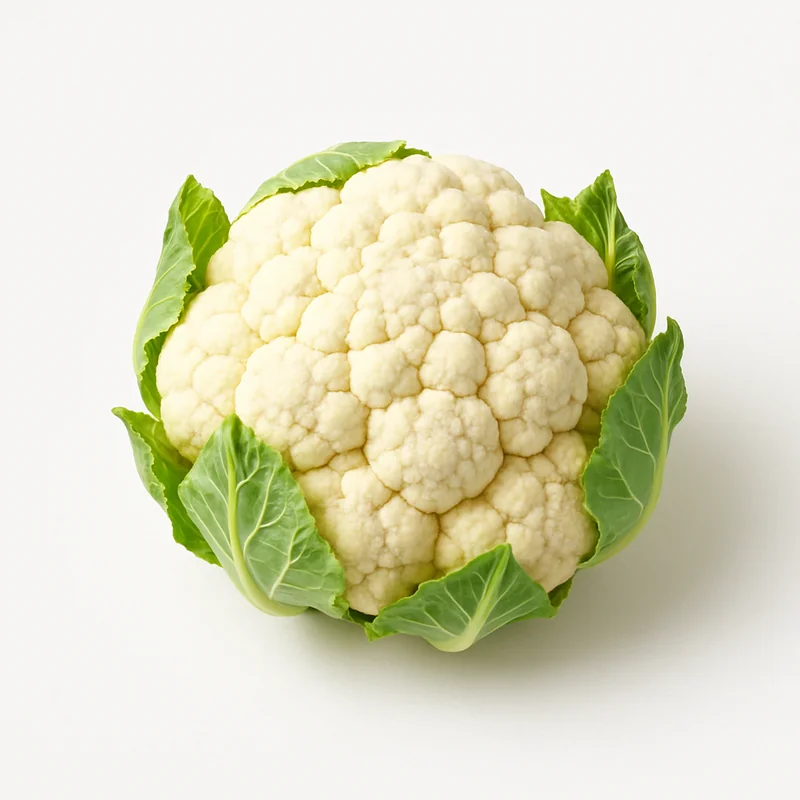
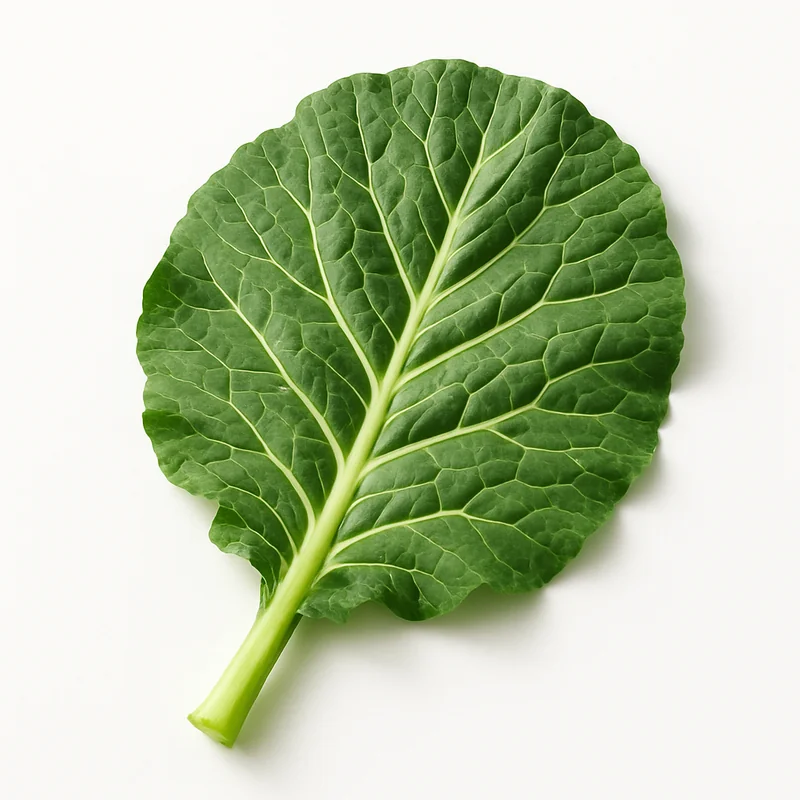
Vegetables score highest when they pack micronutrients, fiber, and beneficial plant compounds into few calories. Formulate grades each on nutrient density, fiber, bioactive content, and glycemic impact.




Fruit
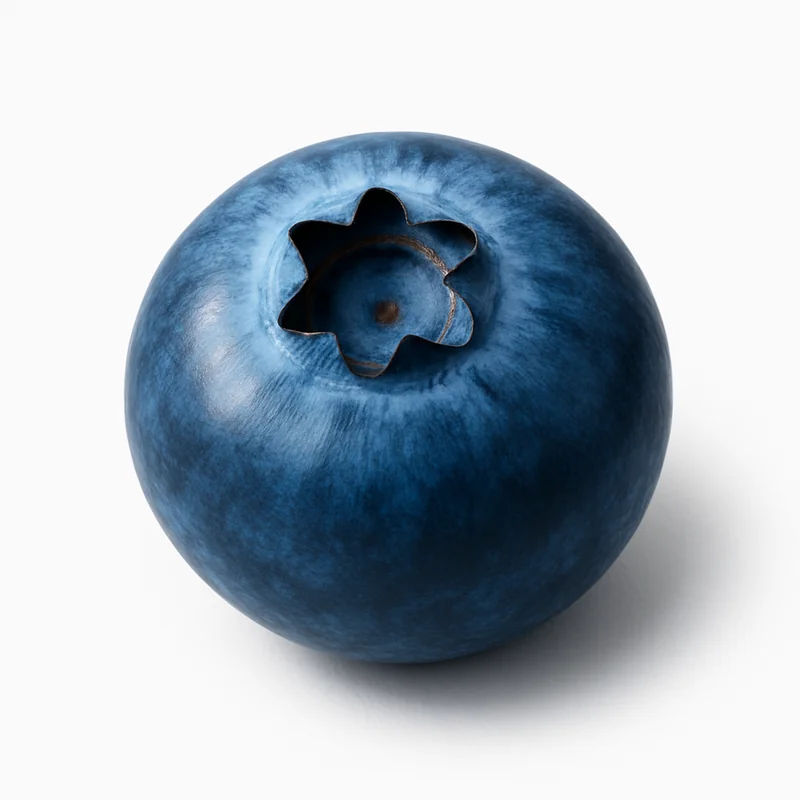
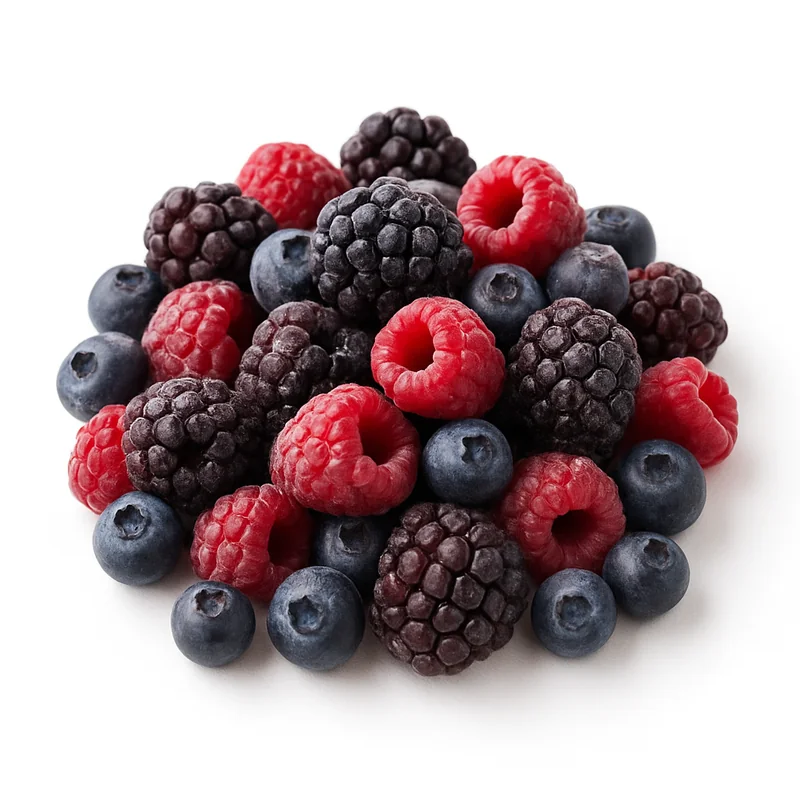
Fruit is graded on nutrient and polyphenol density against its natural sugar — berries and other low-glycemic, antioxidant-rich fruit score above sweeter varieties.










Herbs & Spices
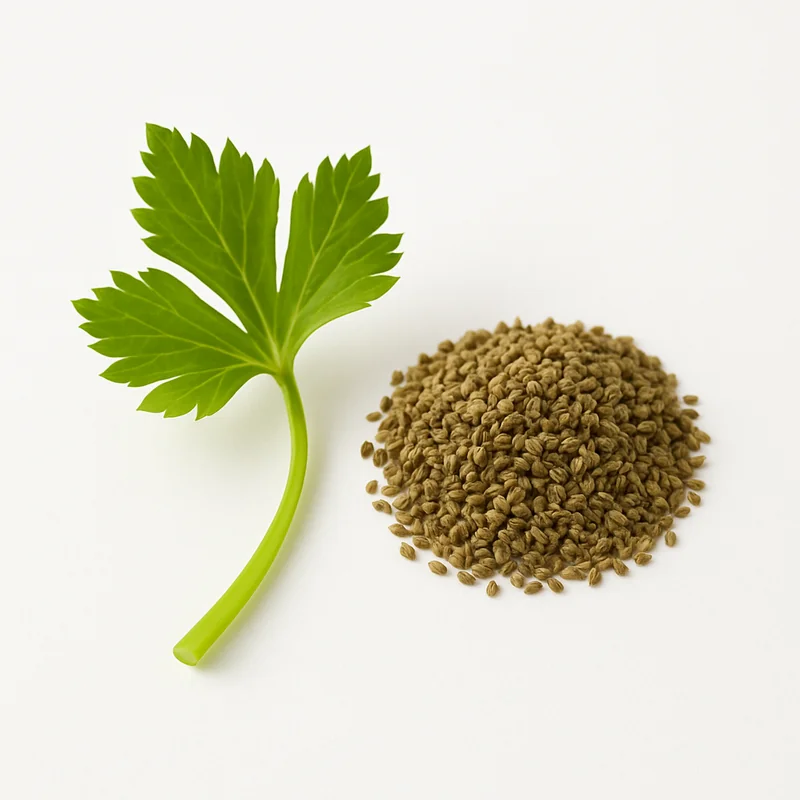
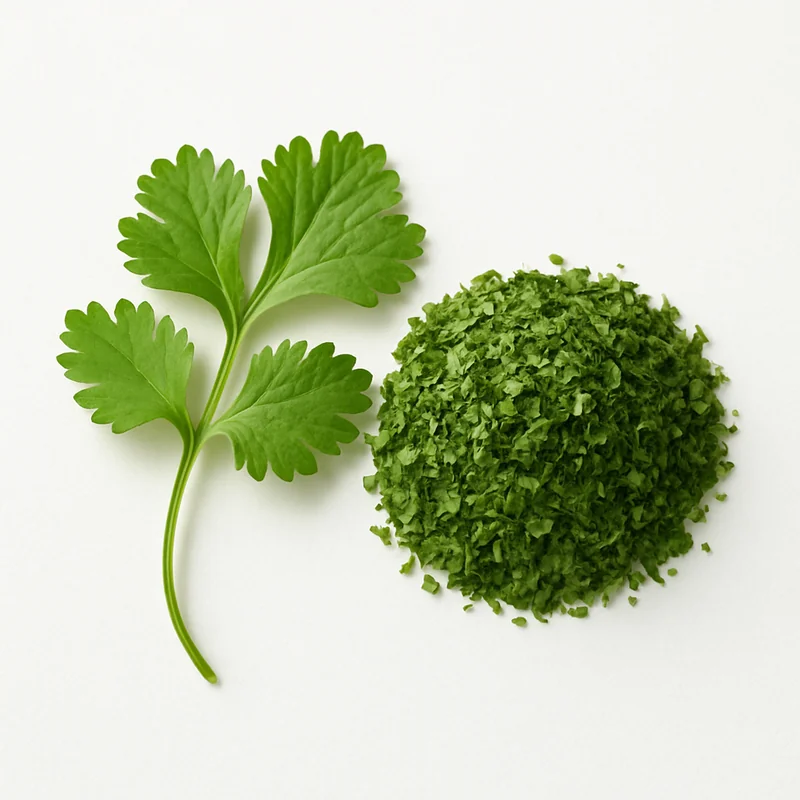
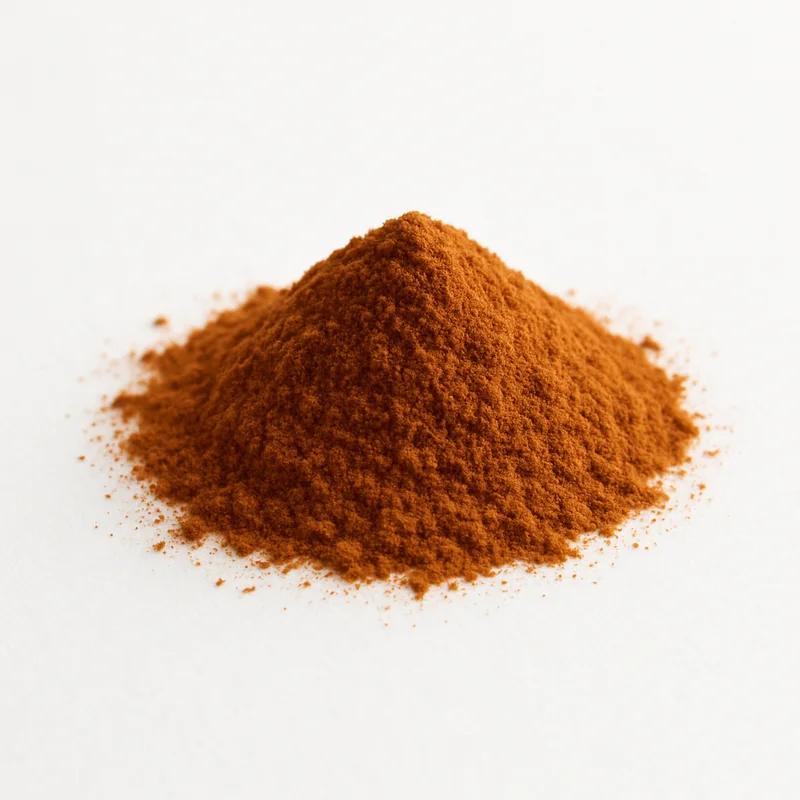
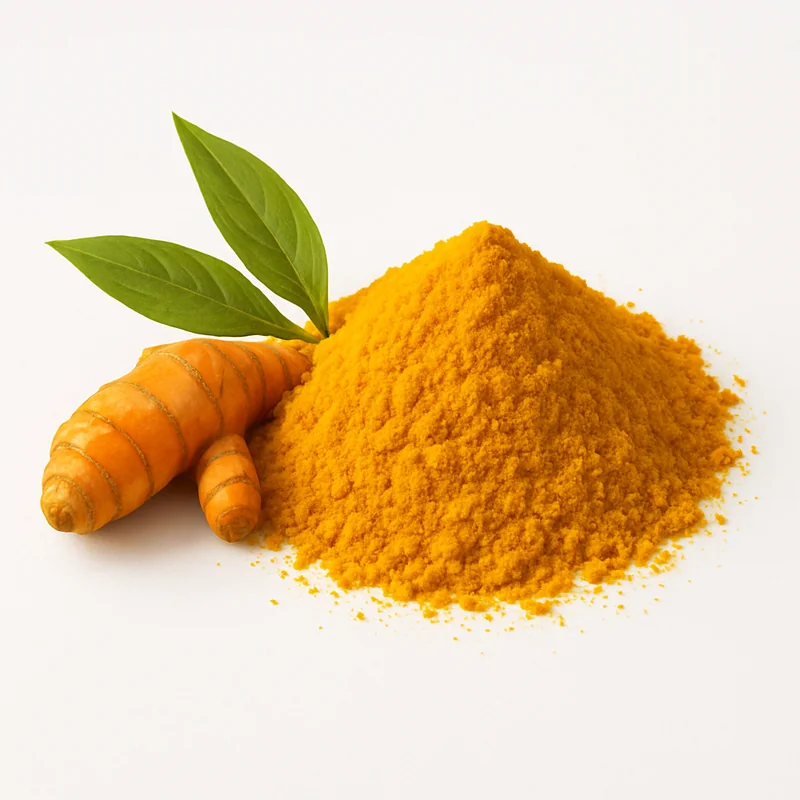
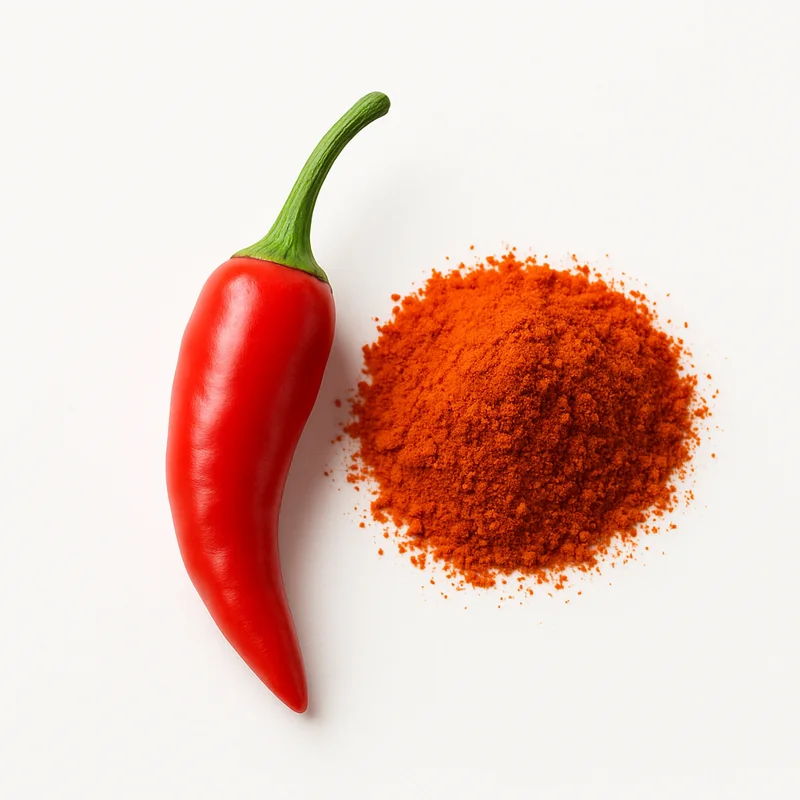
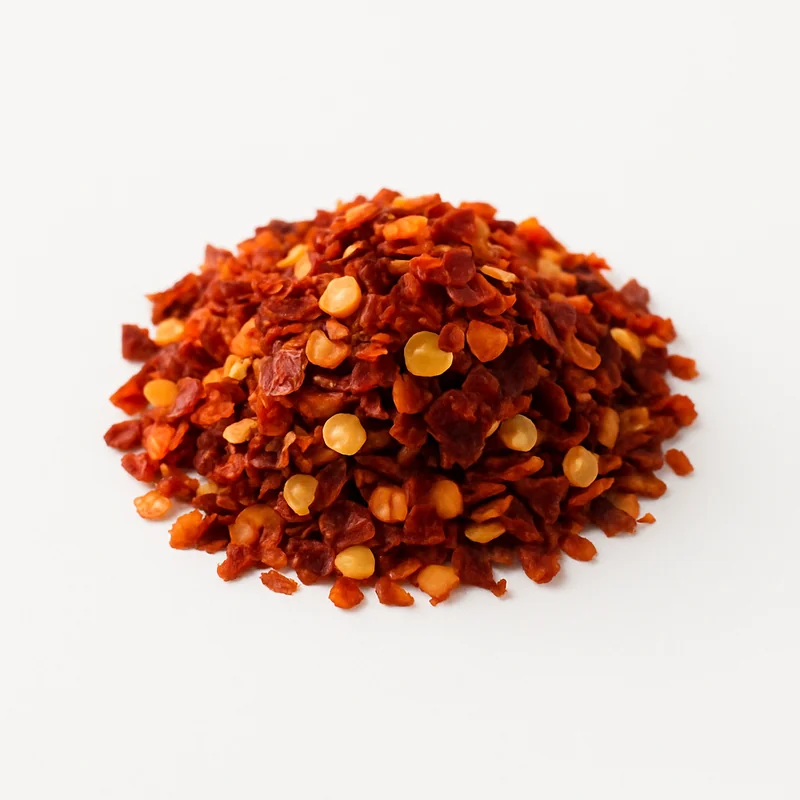
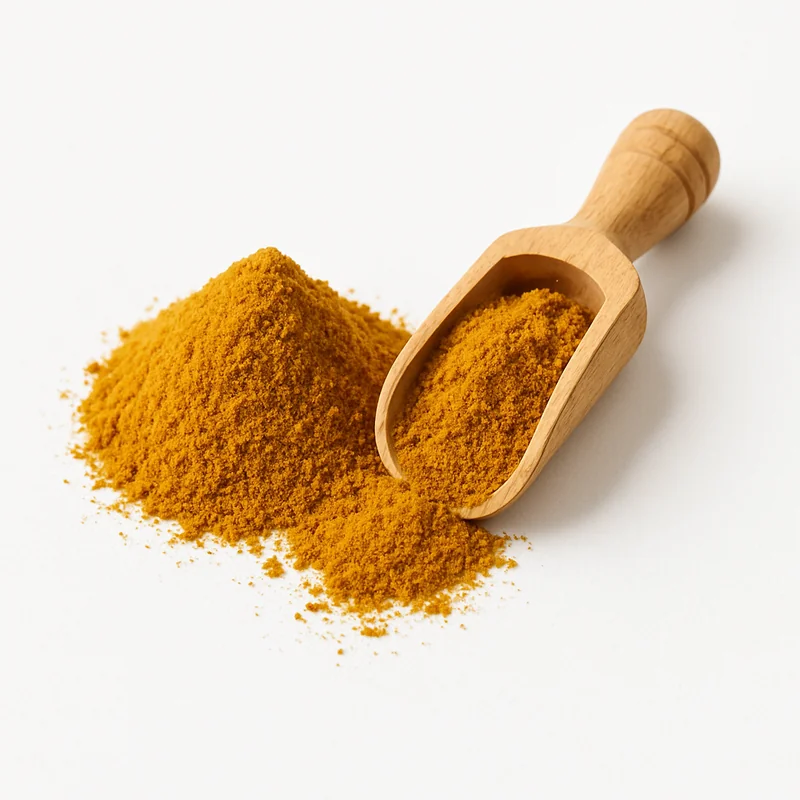
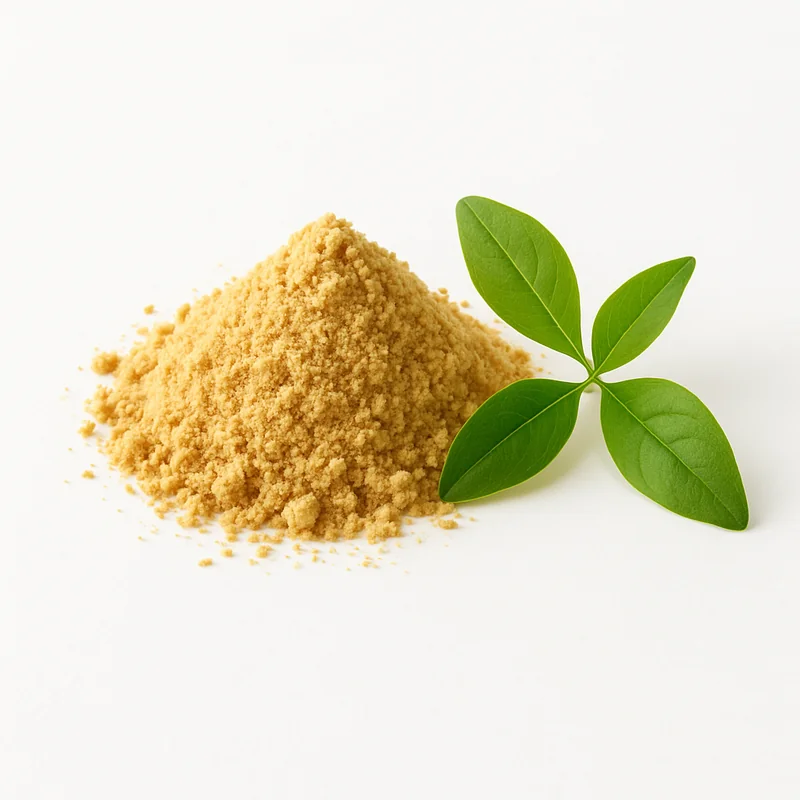
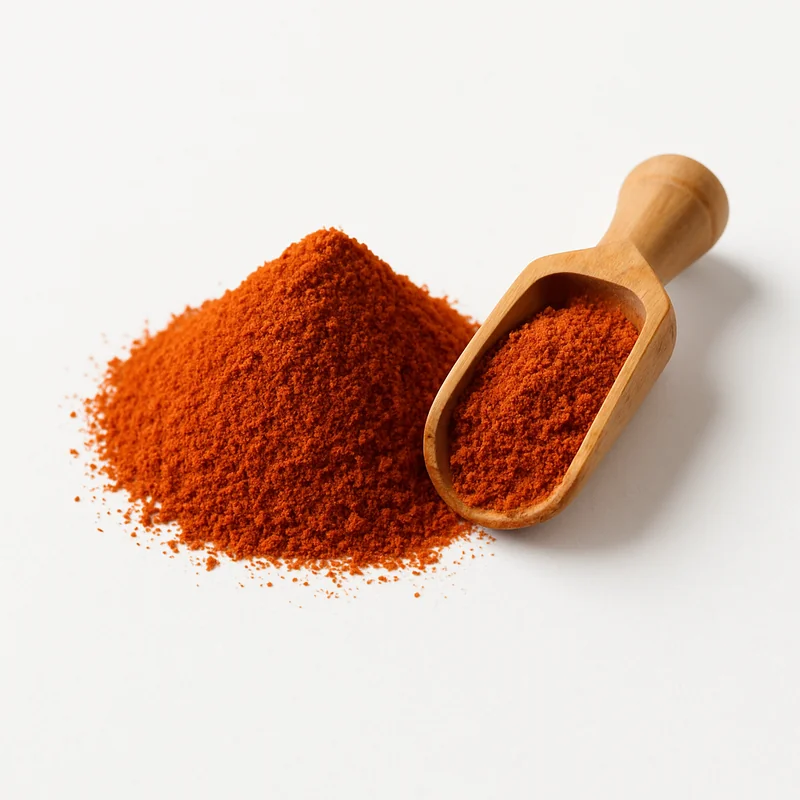
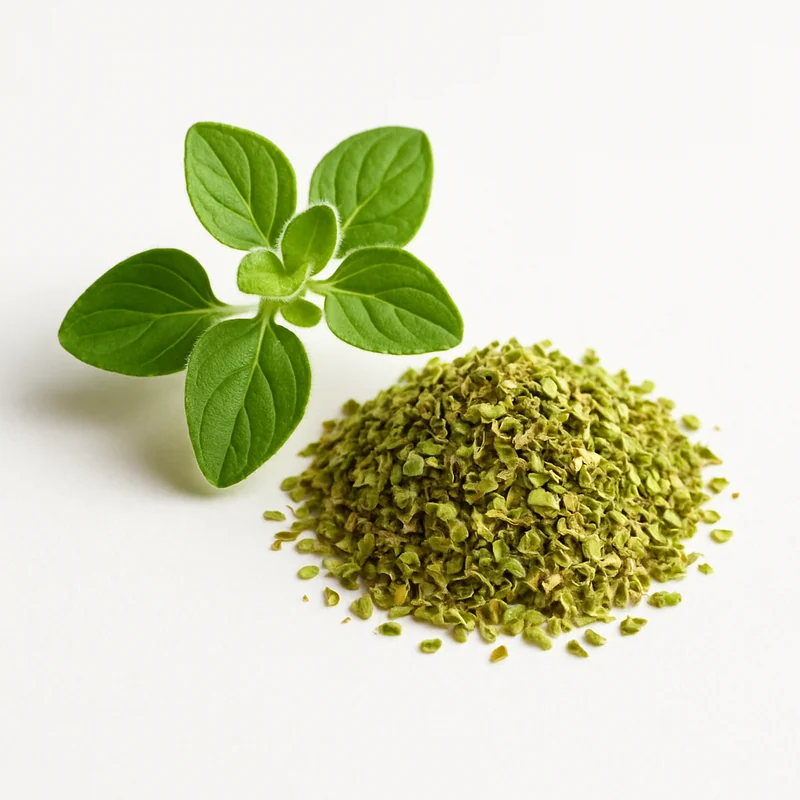
Herbs and spices punch far above their weight on bioactive compounds — concentrated polyphenols and antioxidants give many of them top scores per gram.


Grain
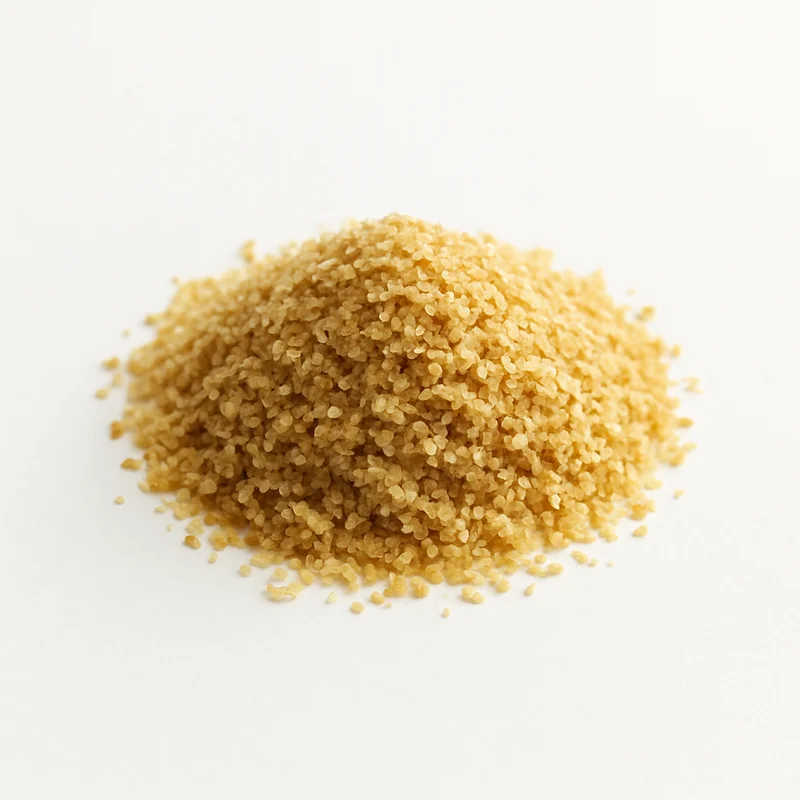
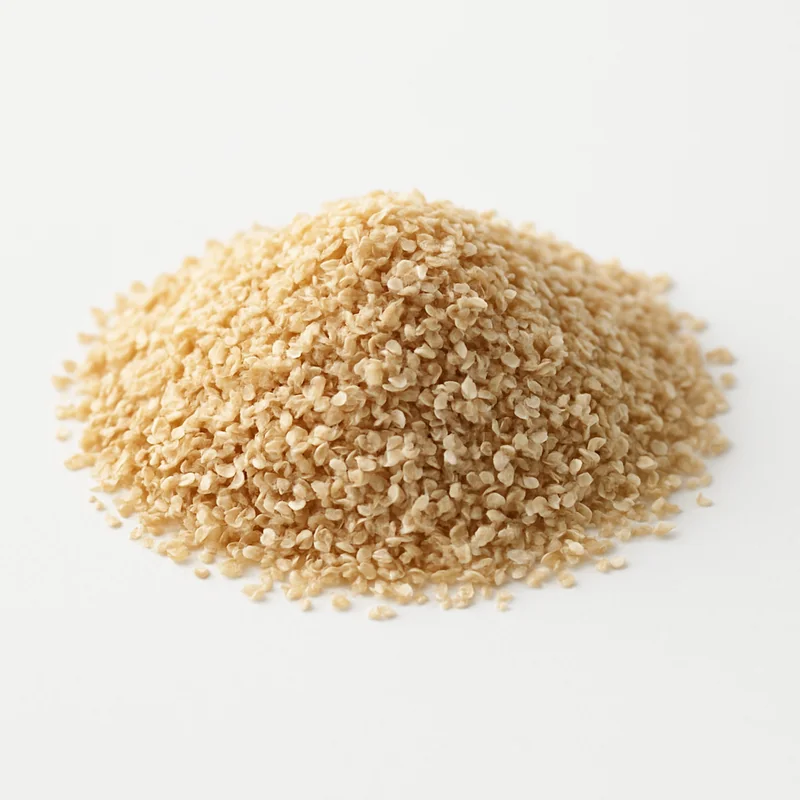
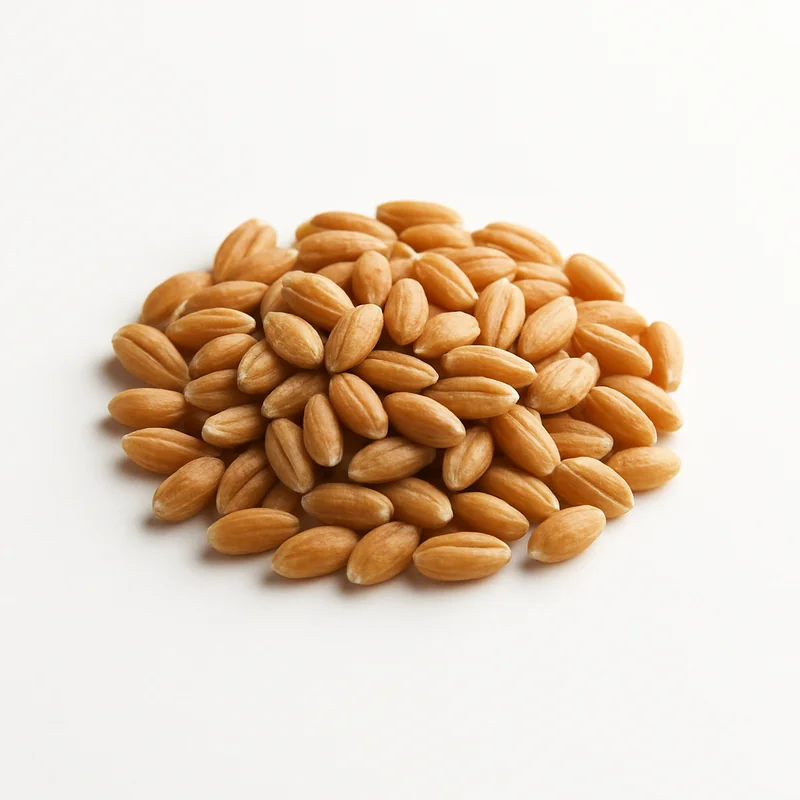
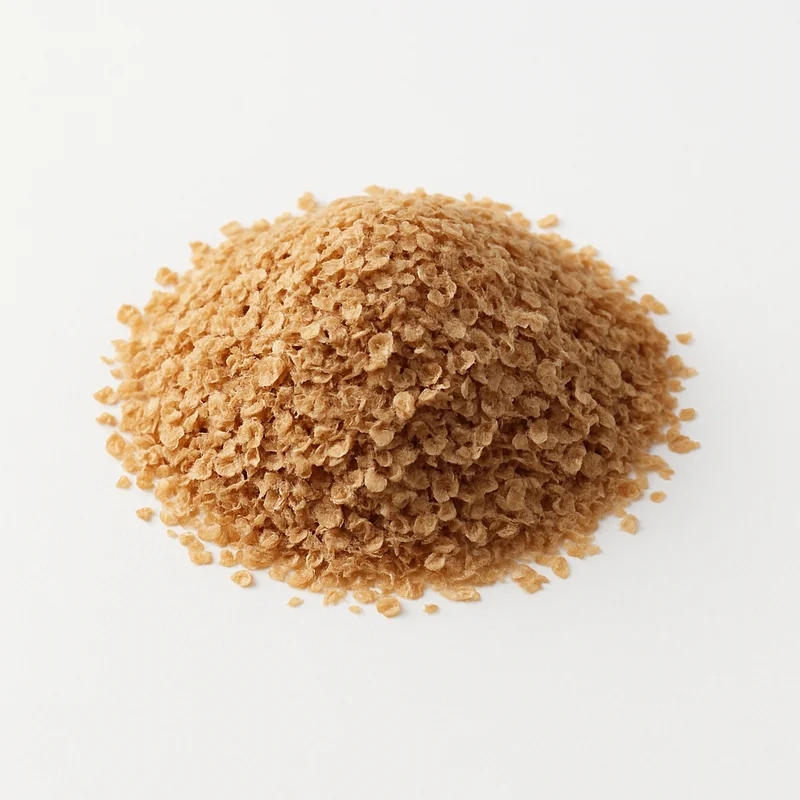
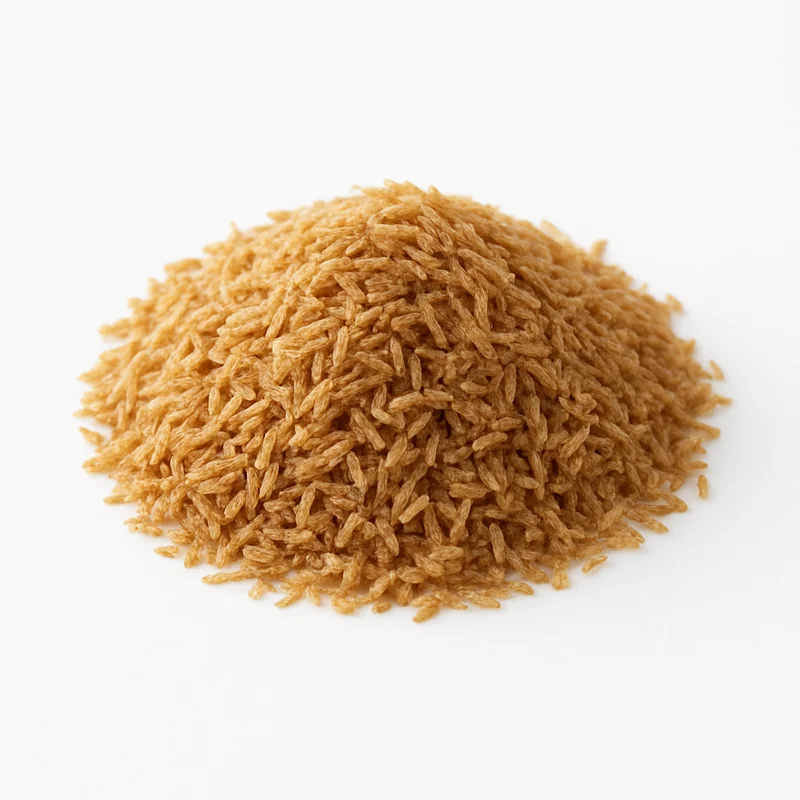
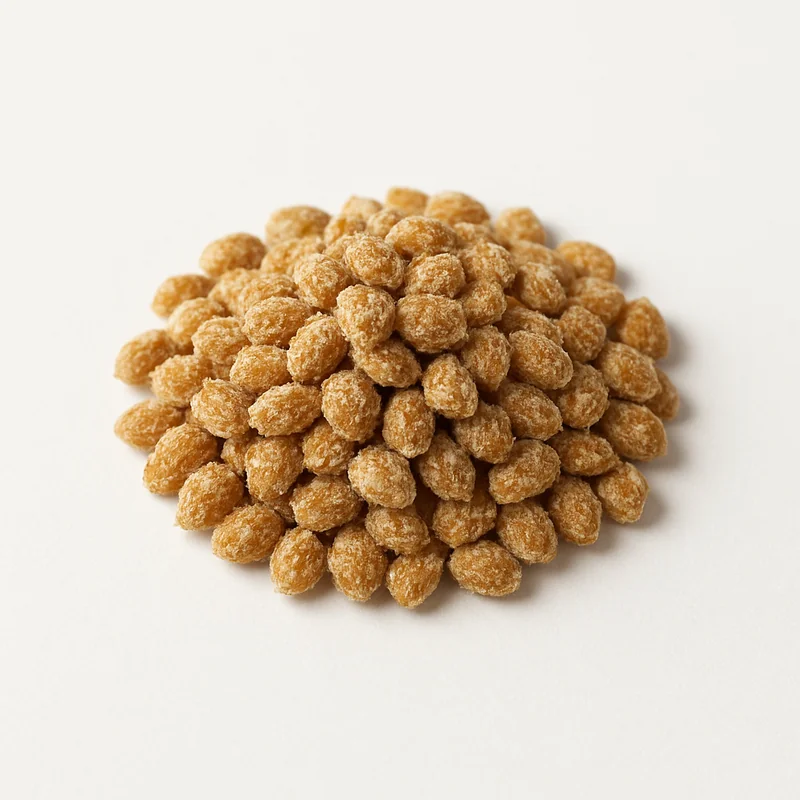
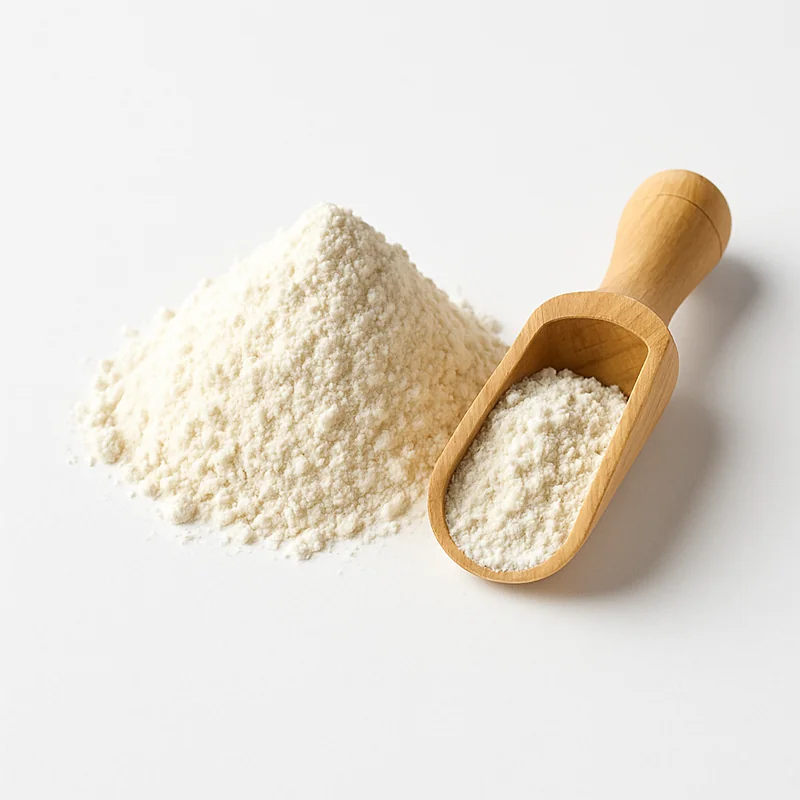
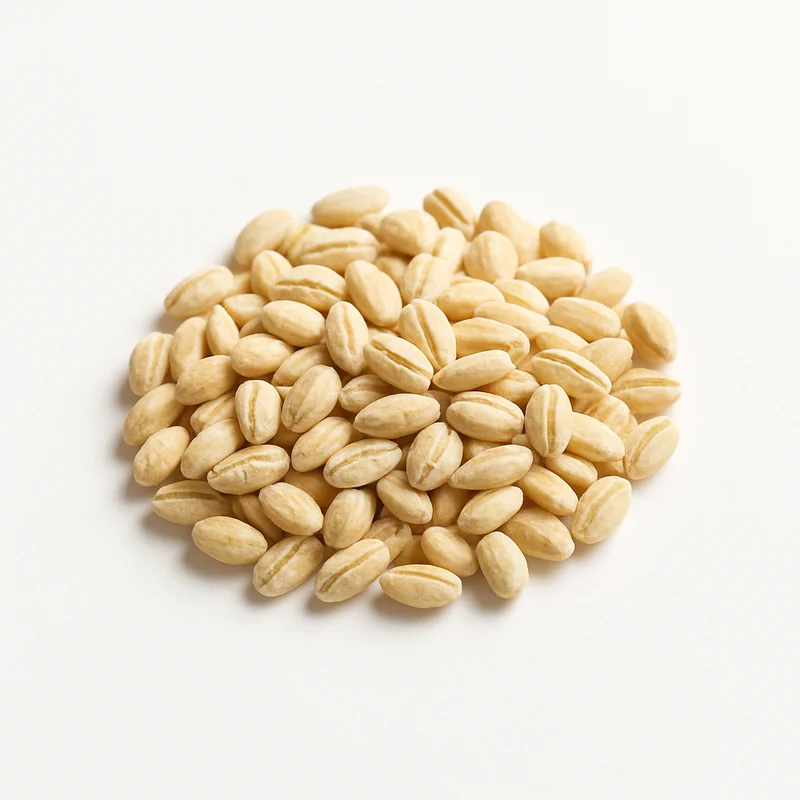
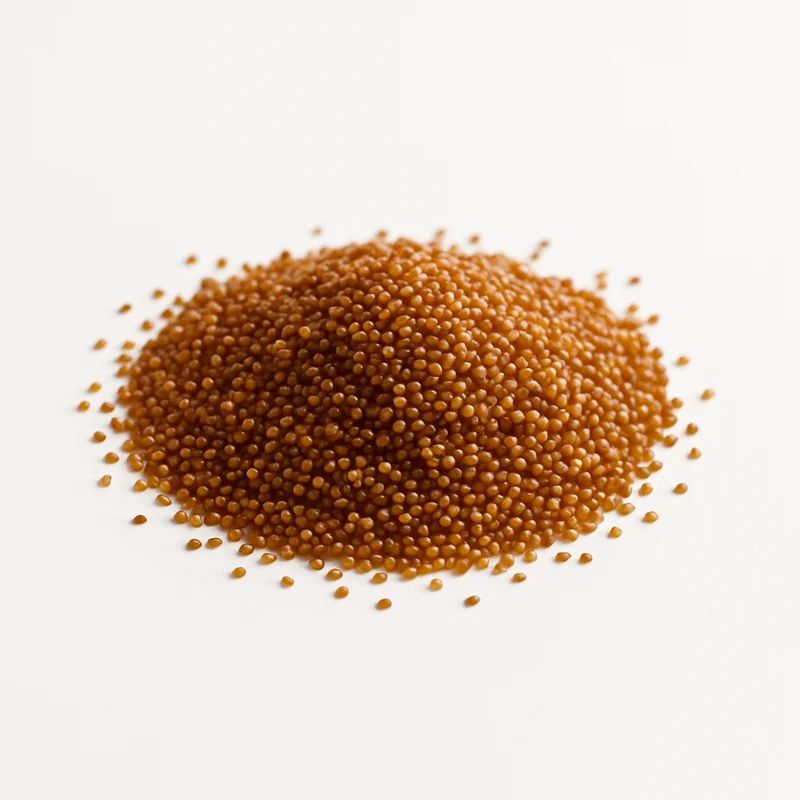
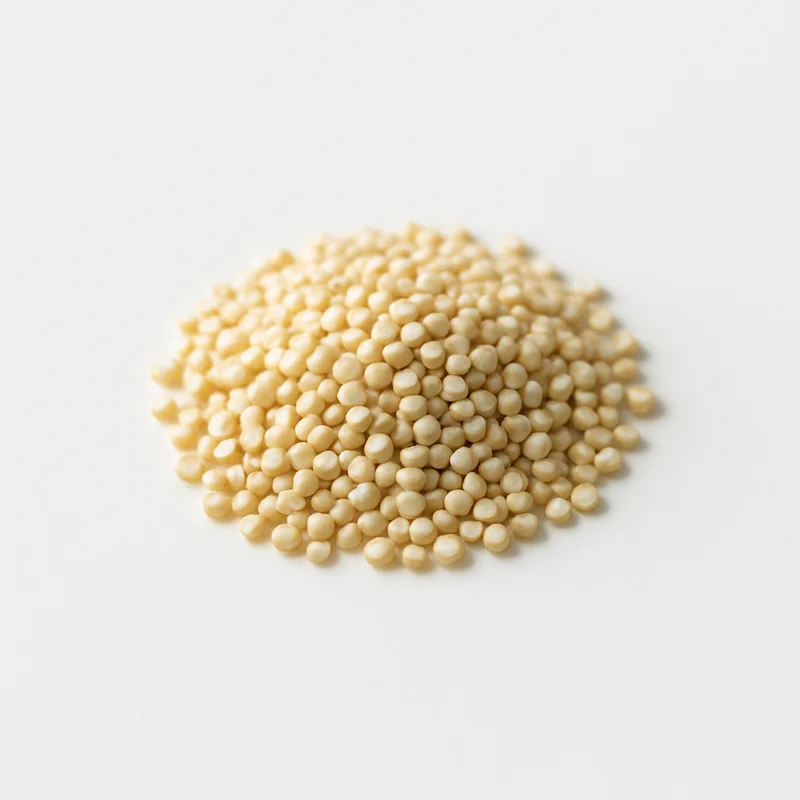
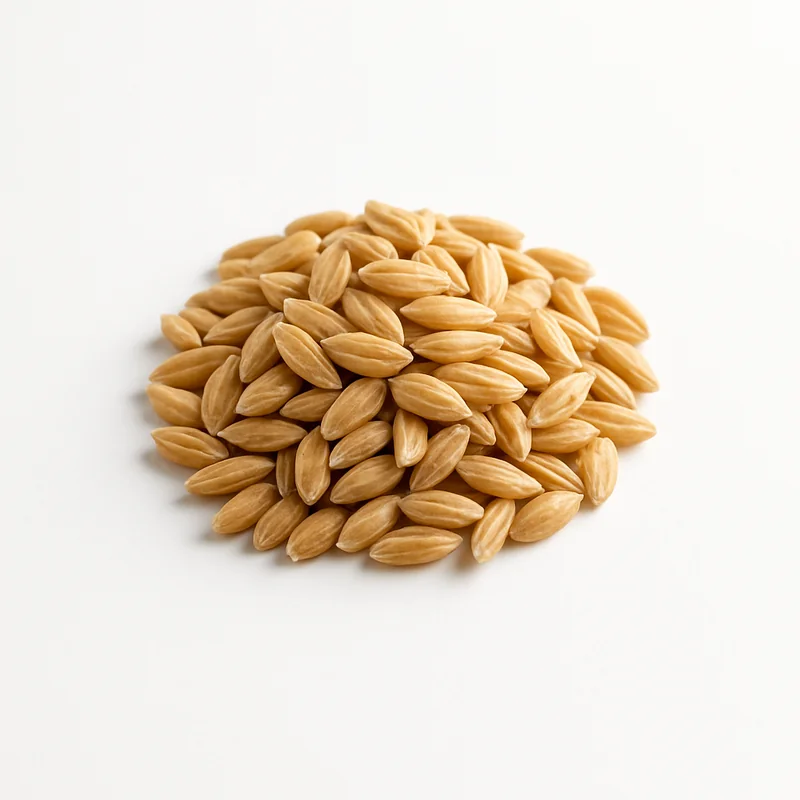
Grains are graded on fiber, micronutrients, and glycemic impact — intact whole grains beat refined flours by a wide margin.

Legume
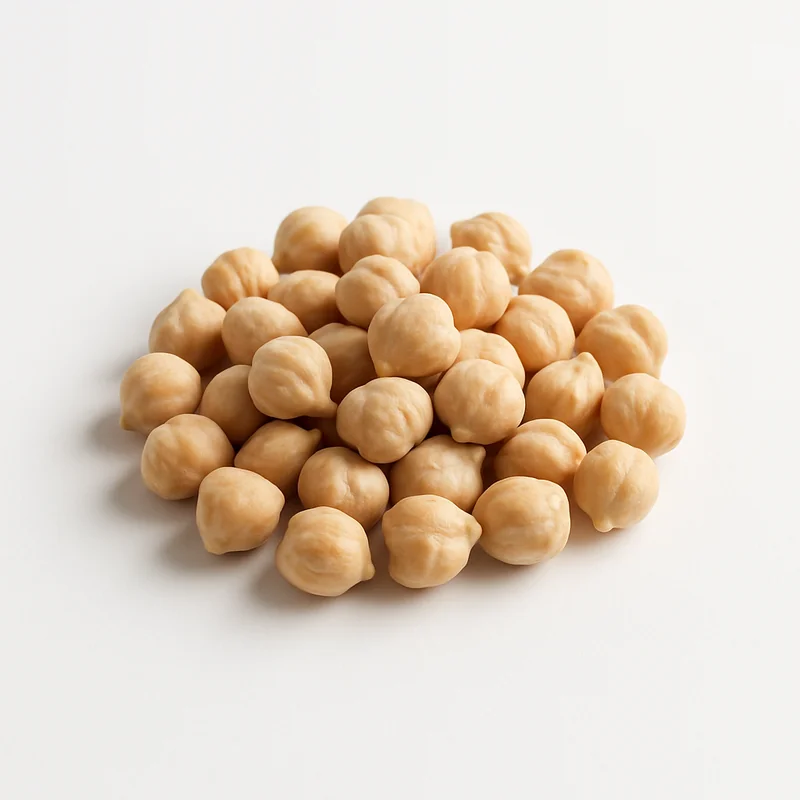
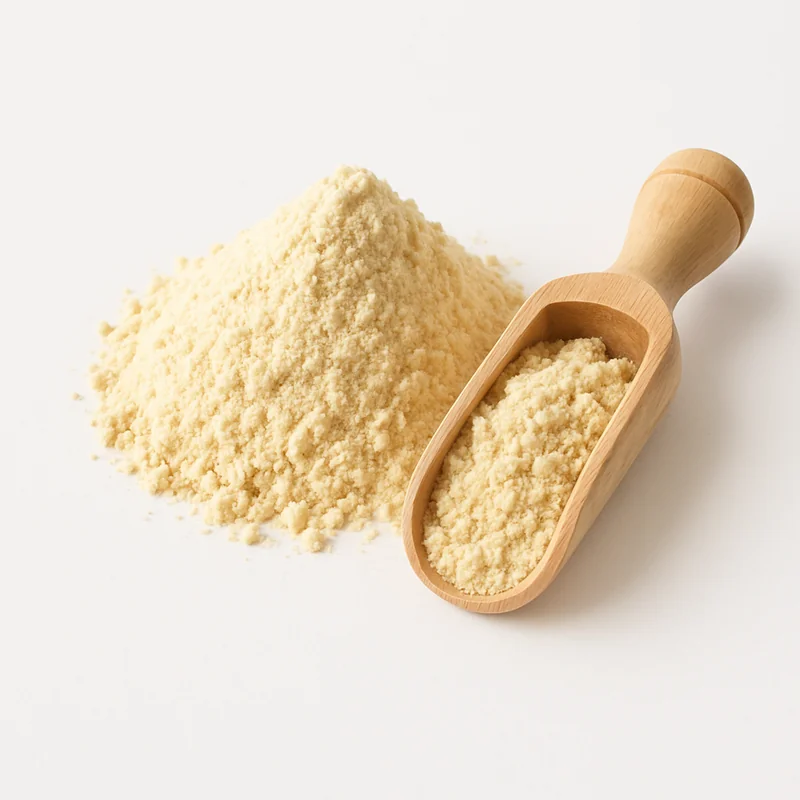
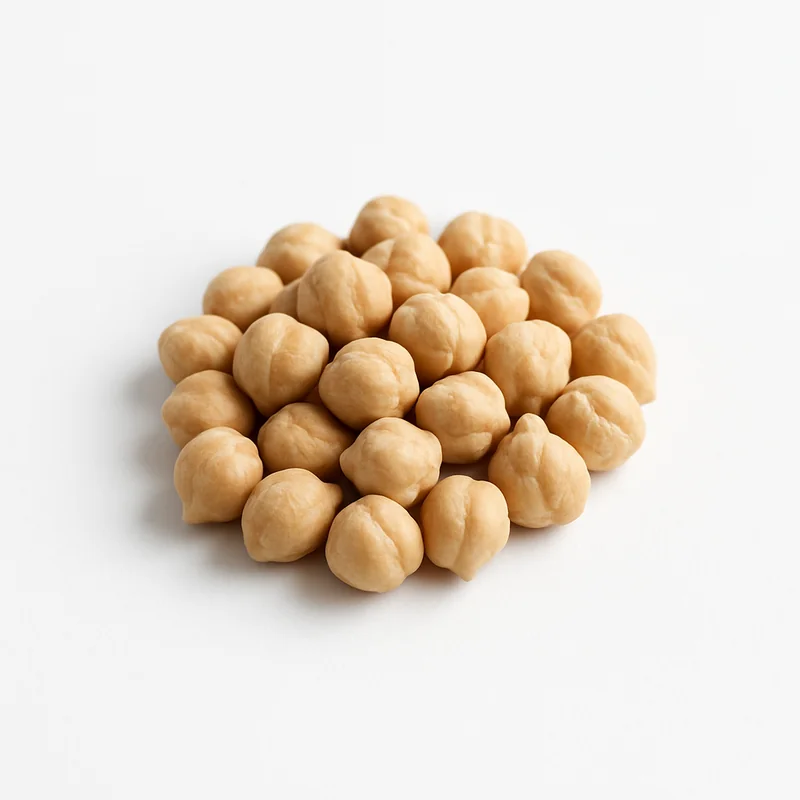
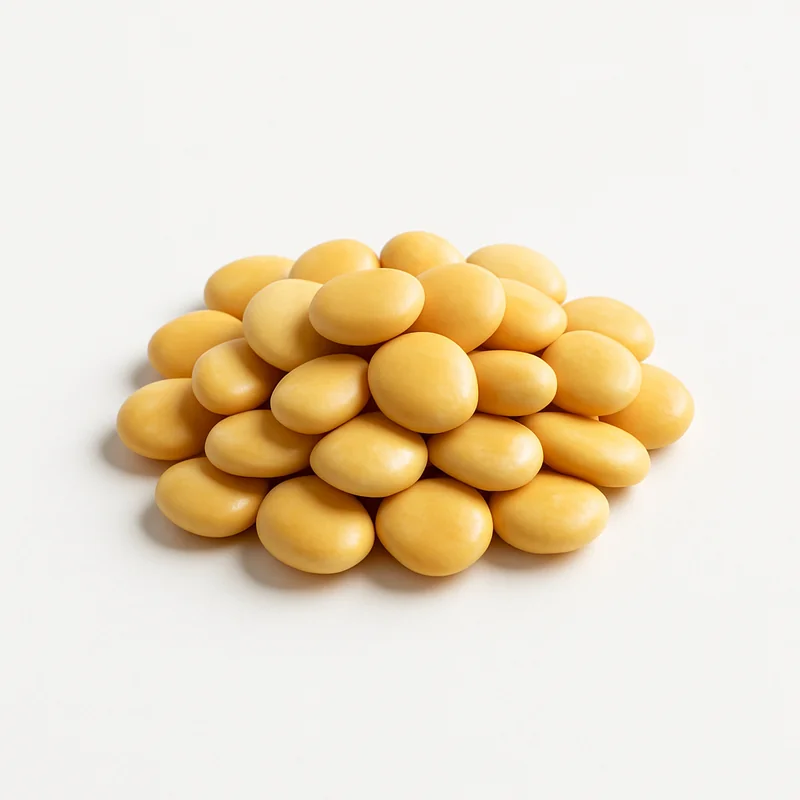
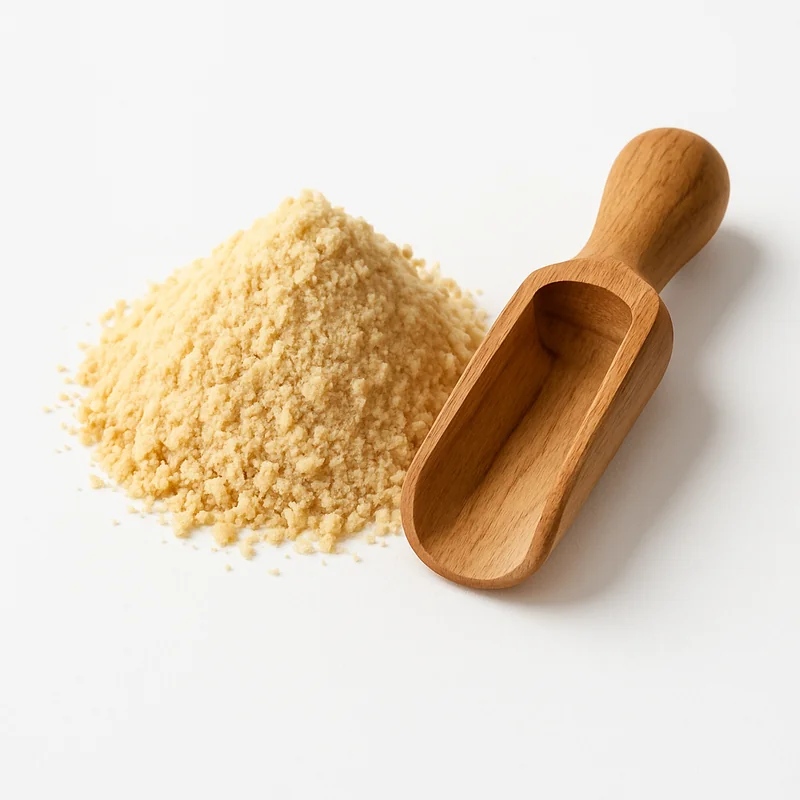
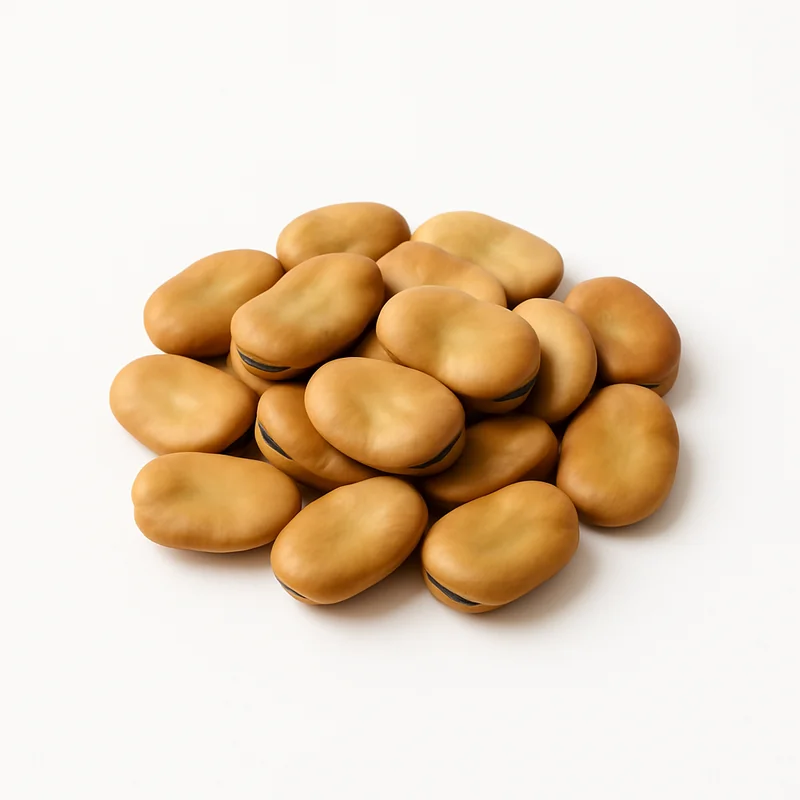
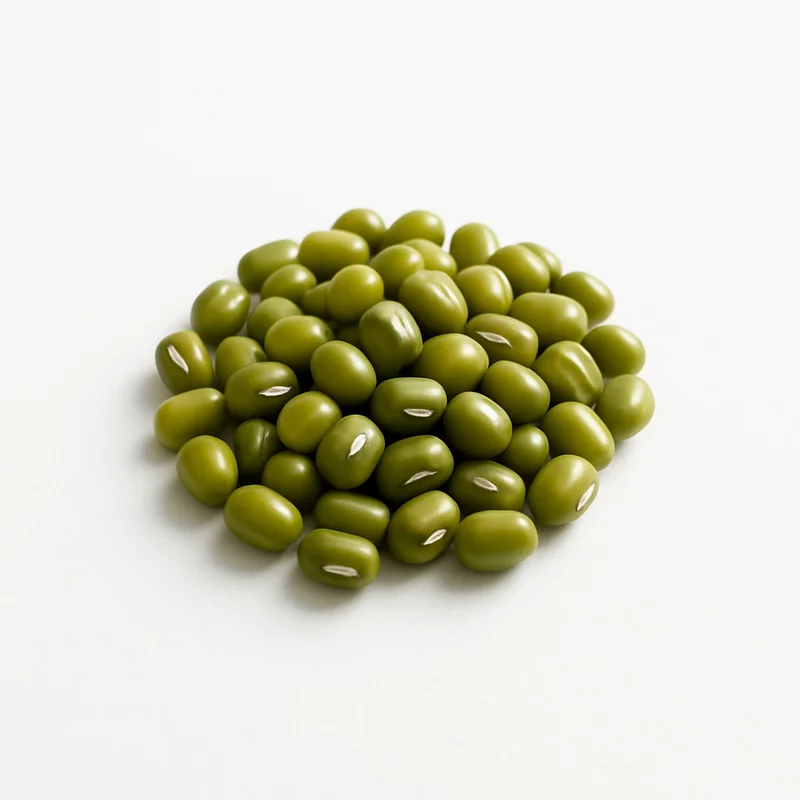
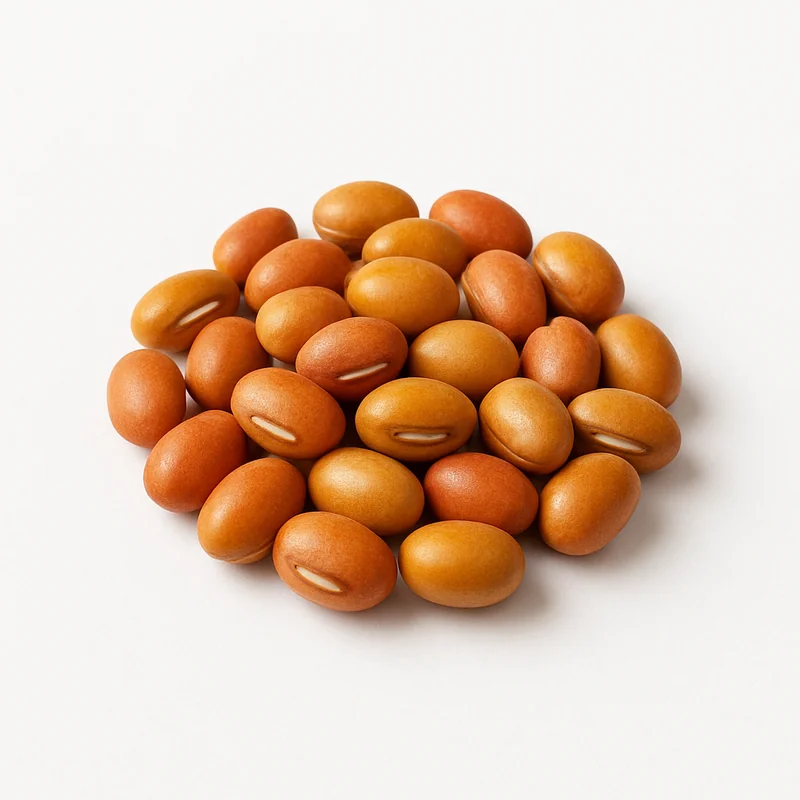
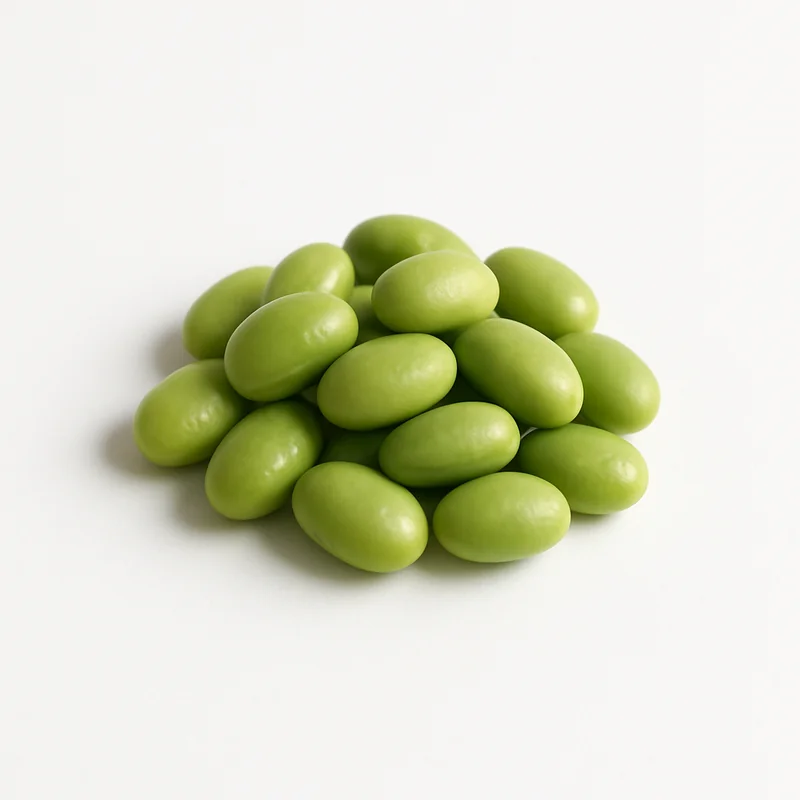
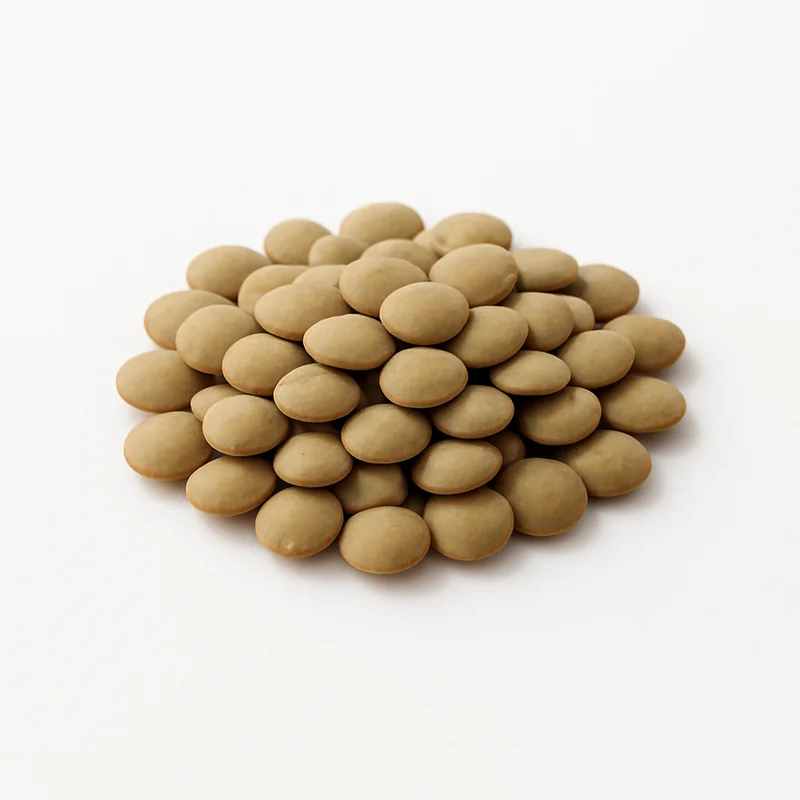
Legumes earn high marks for plant protein, fiber, and minerals at a low glycemic load — among the most nutrient-dense, affordable foods you can eat.

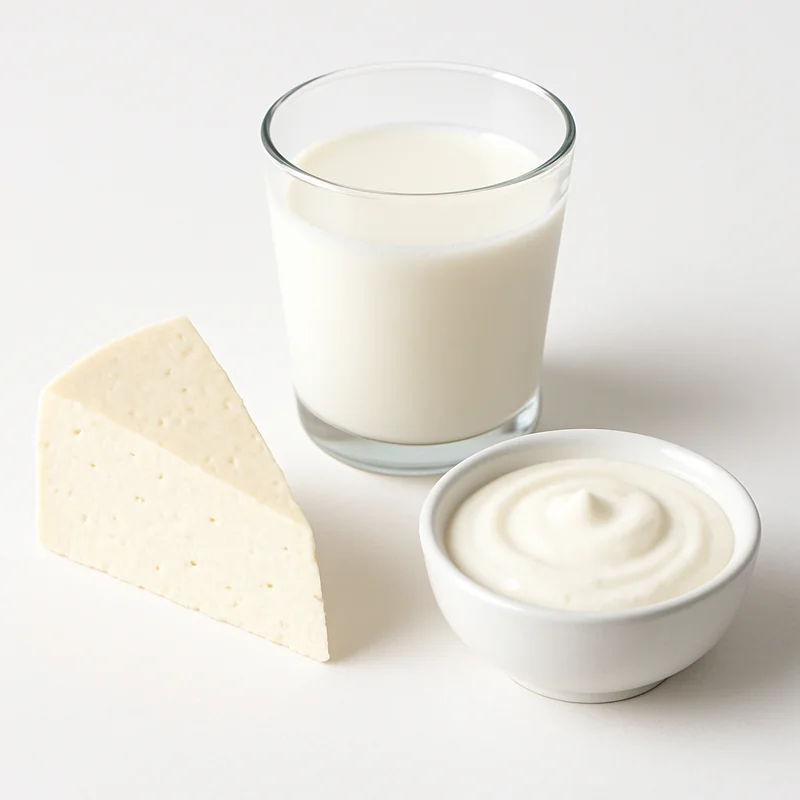
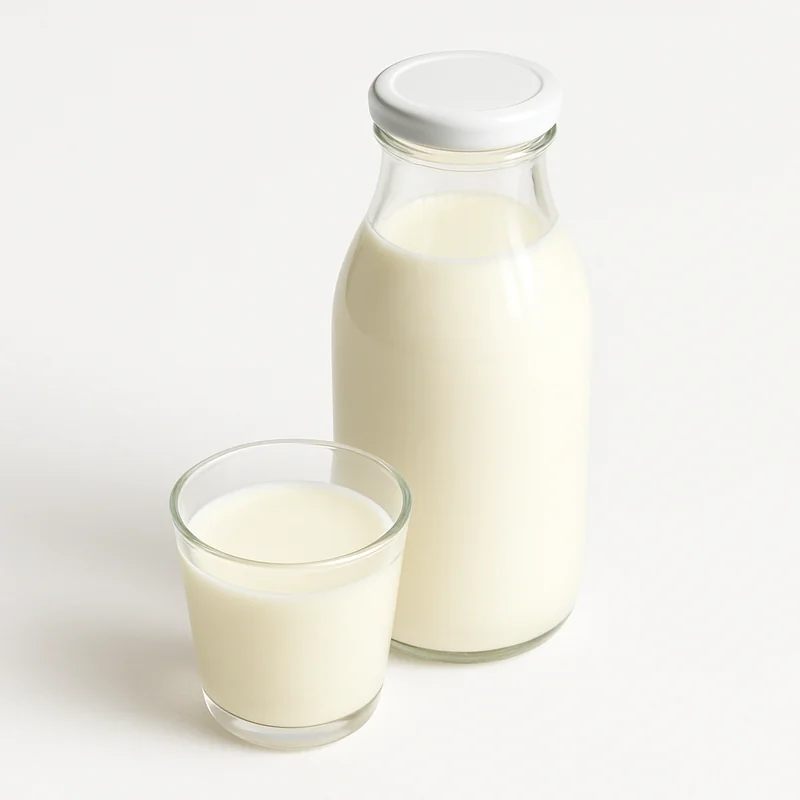
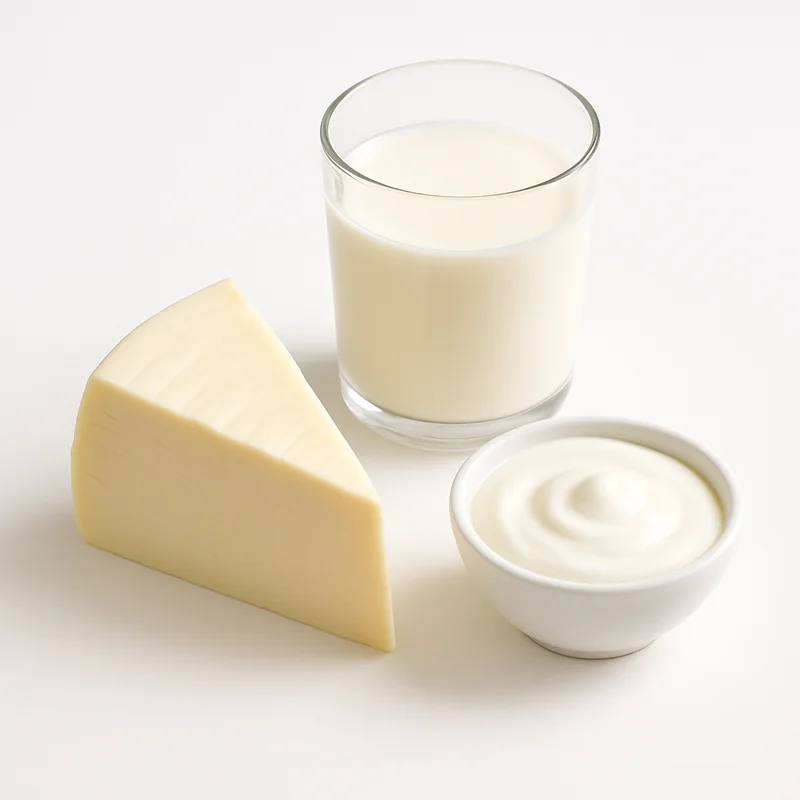
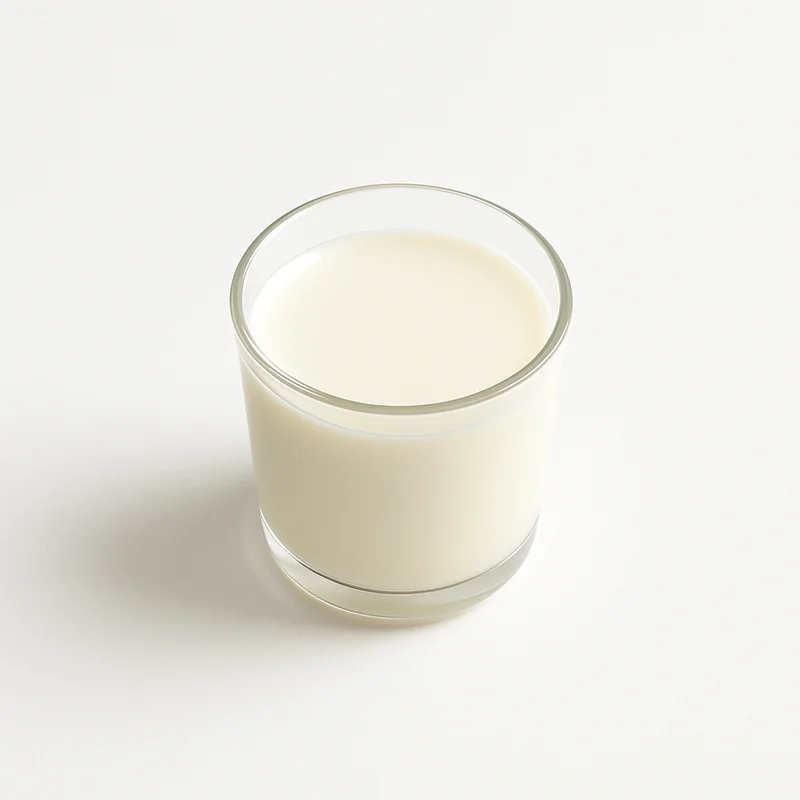
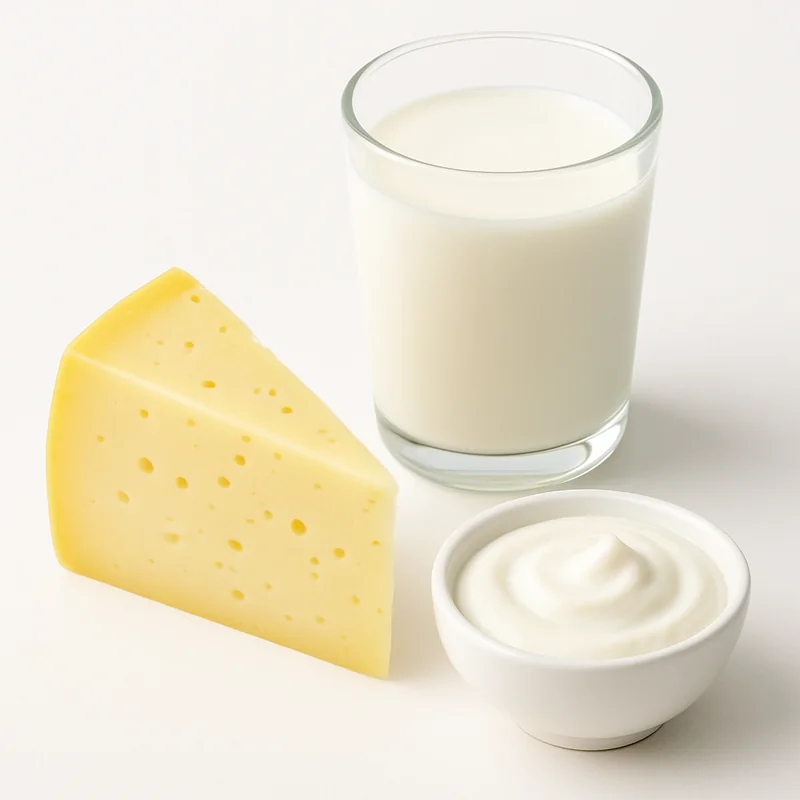
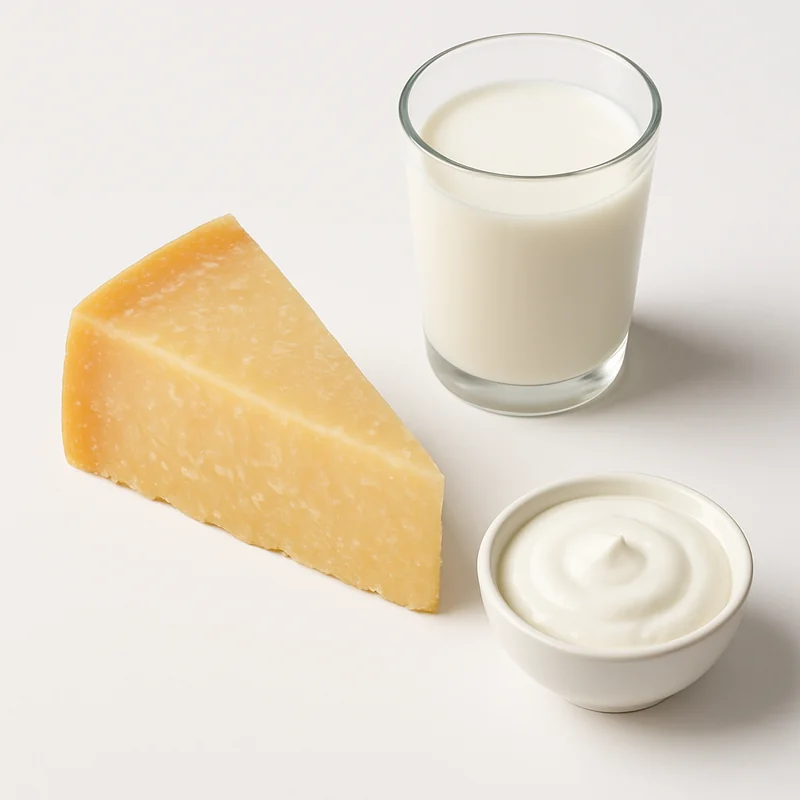
Dairy
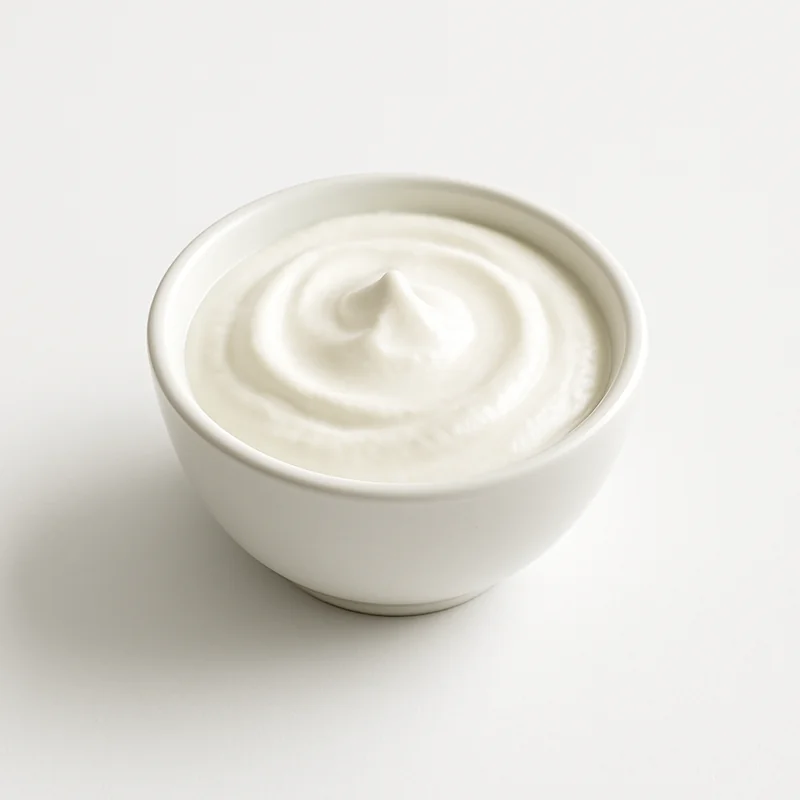
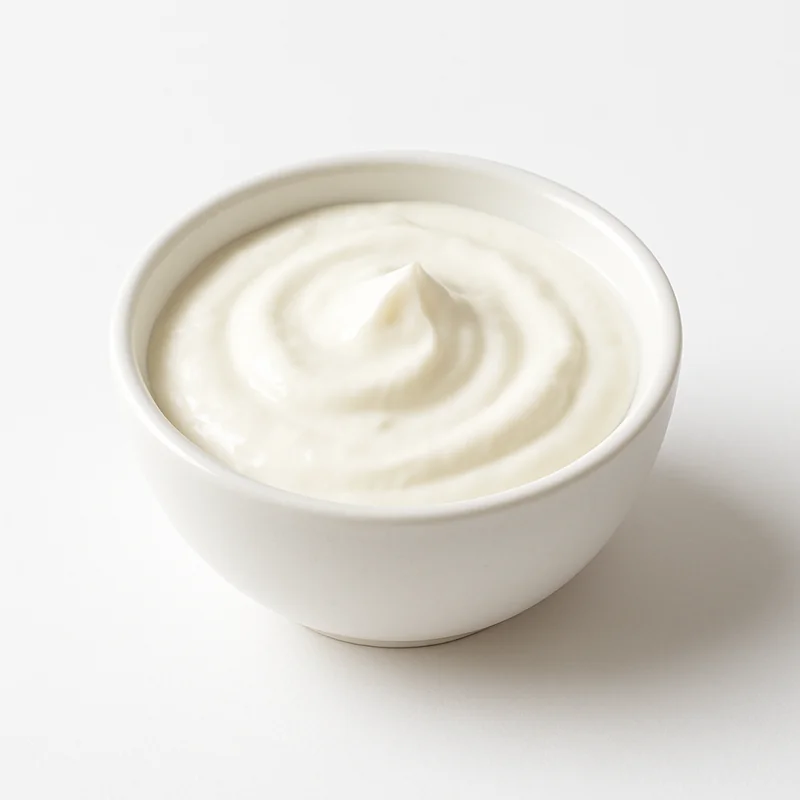
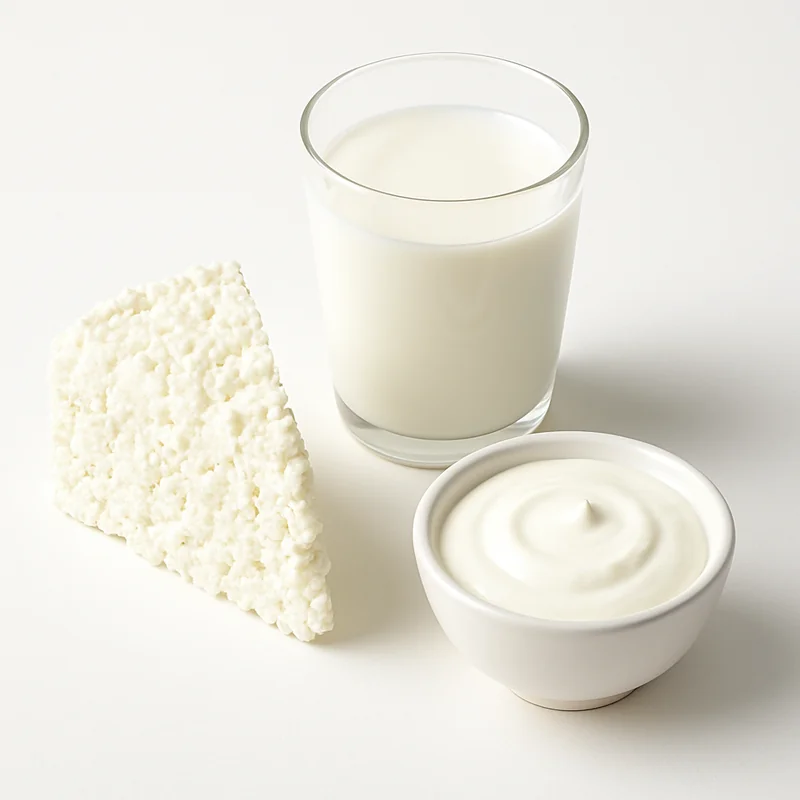
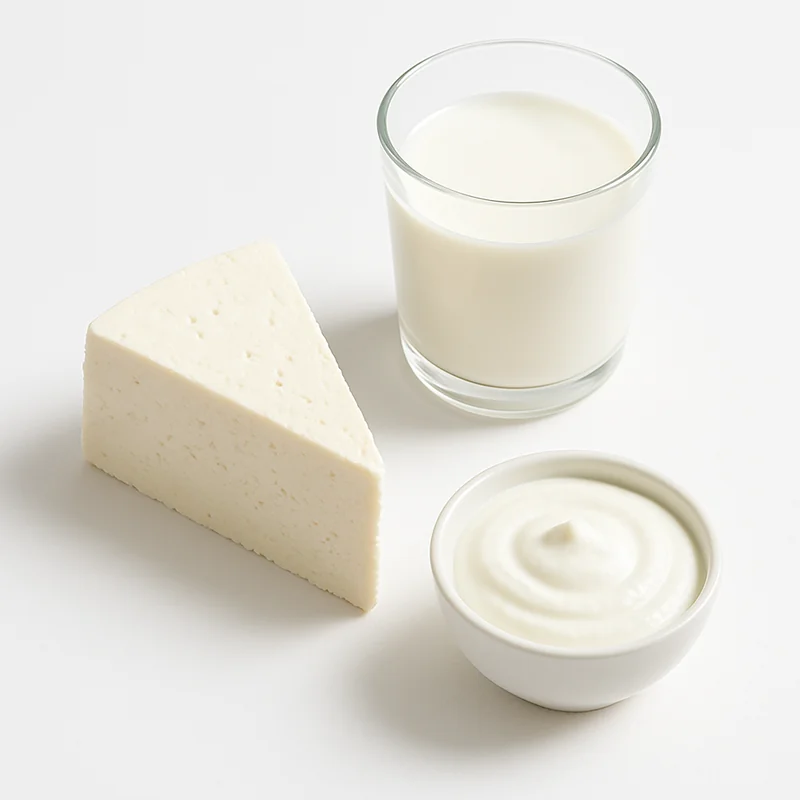
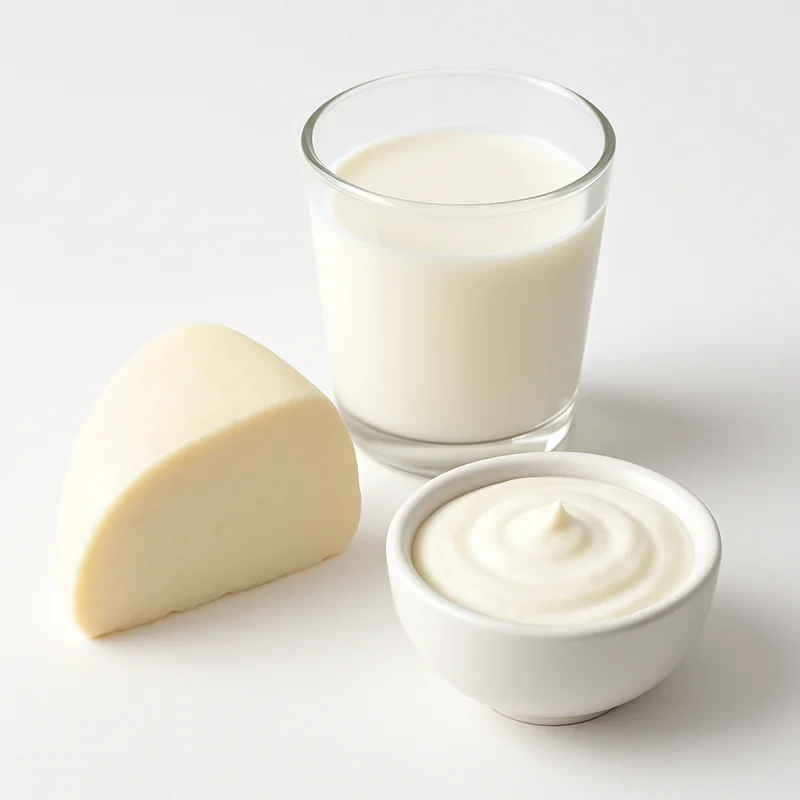
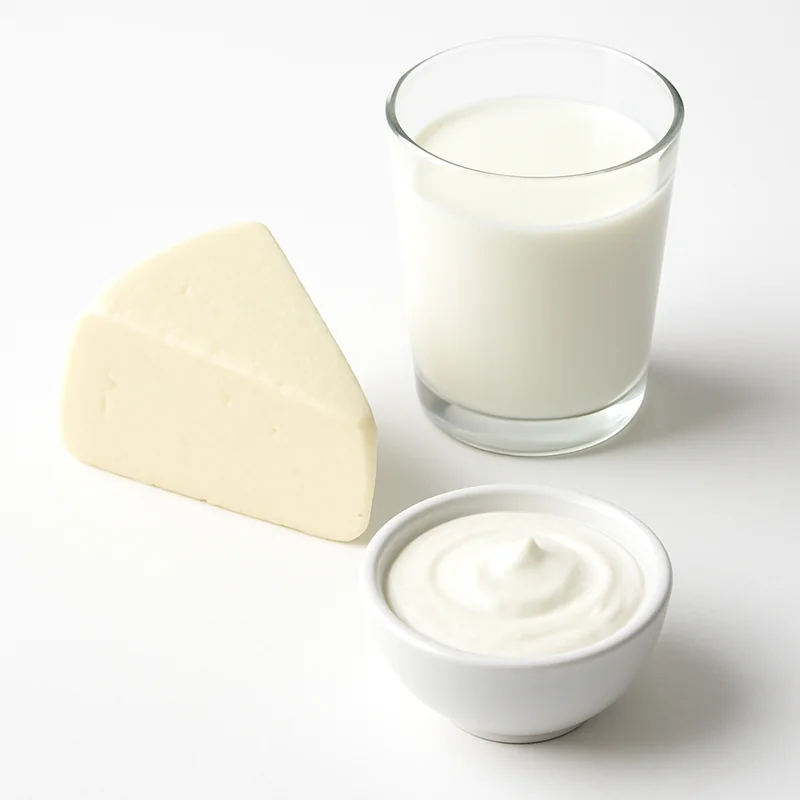
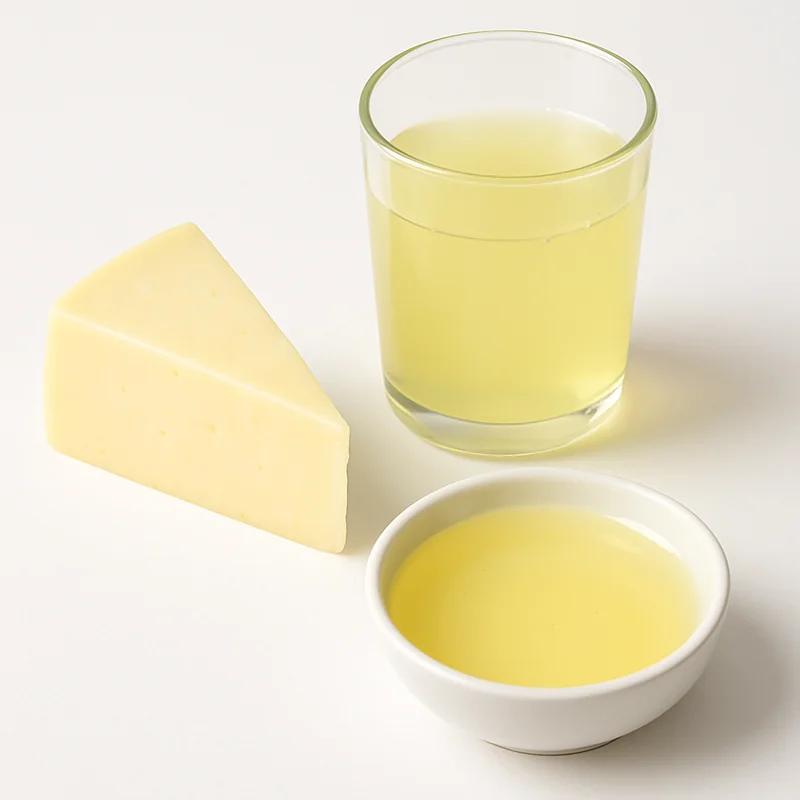
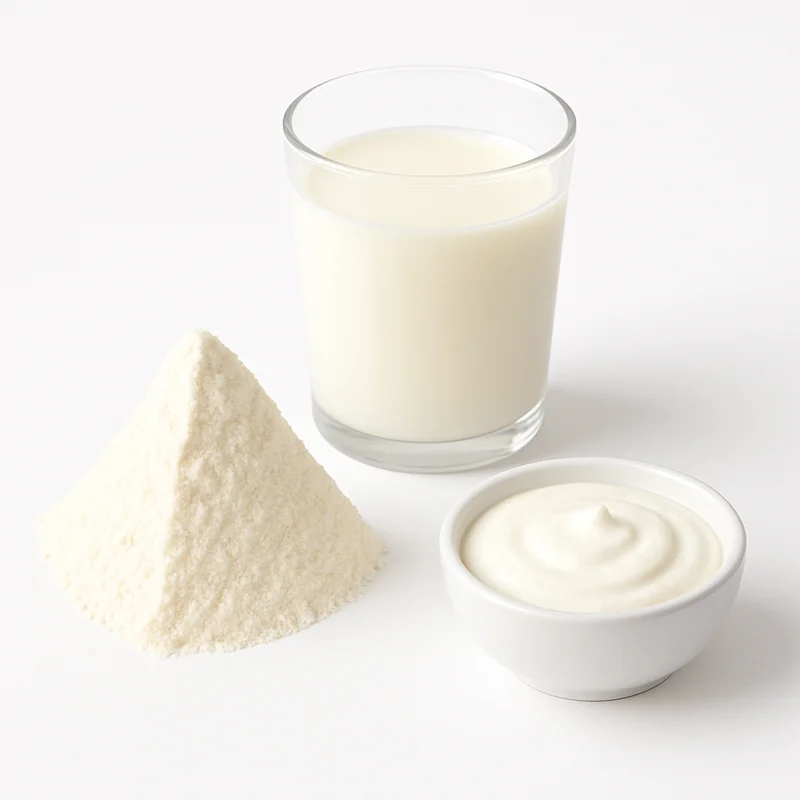
Dairy is scored on protein quality, calcium, and bioactives versus saturated fat and added sugar — plain, higher-protein options score best.
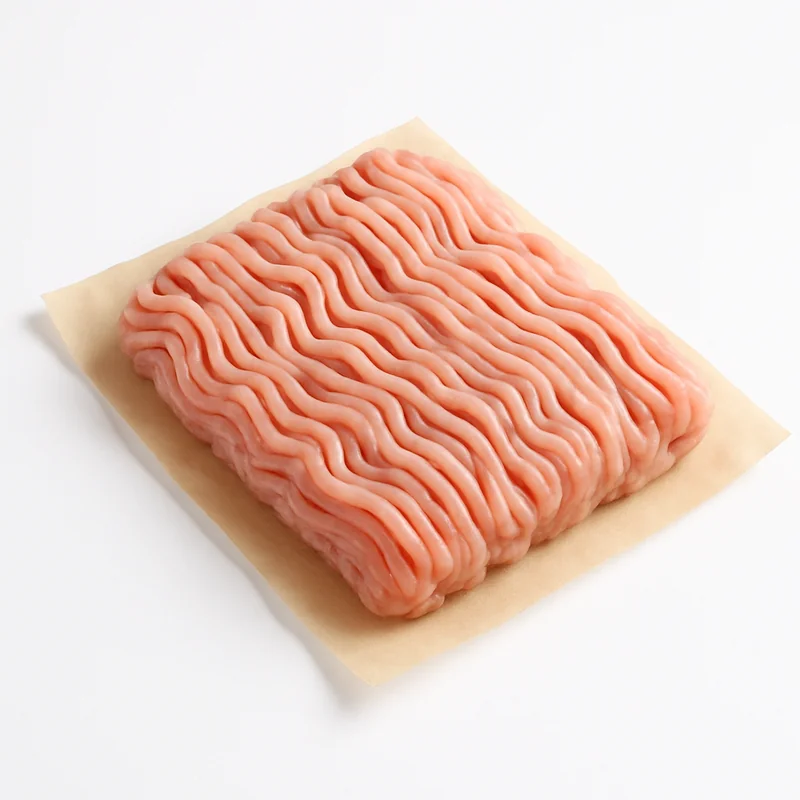
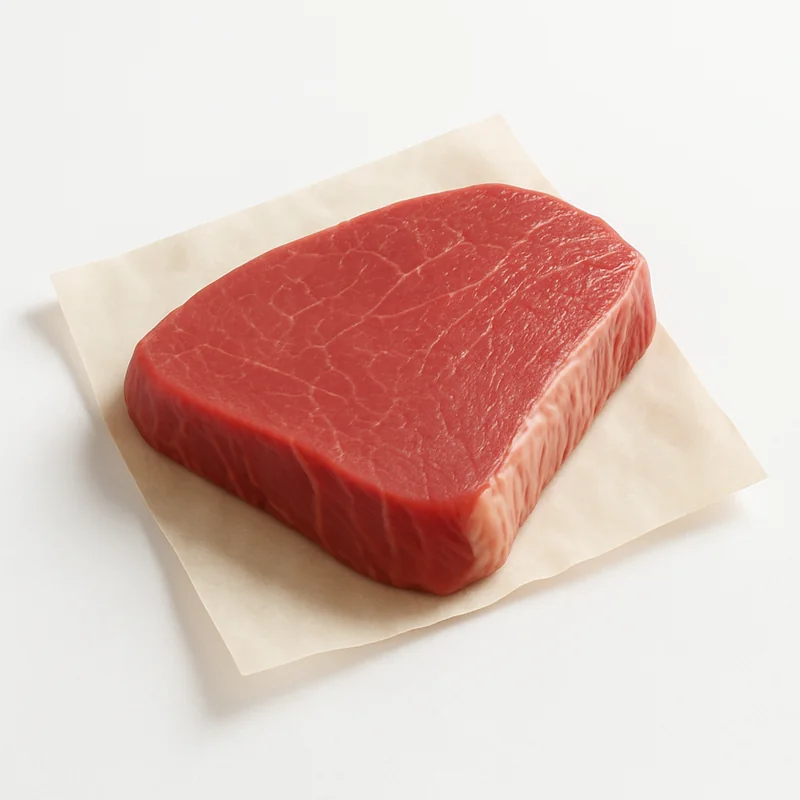
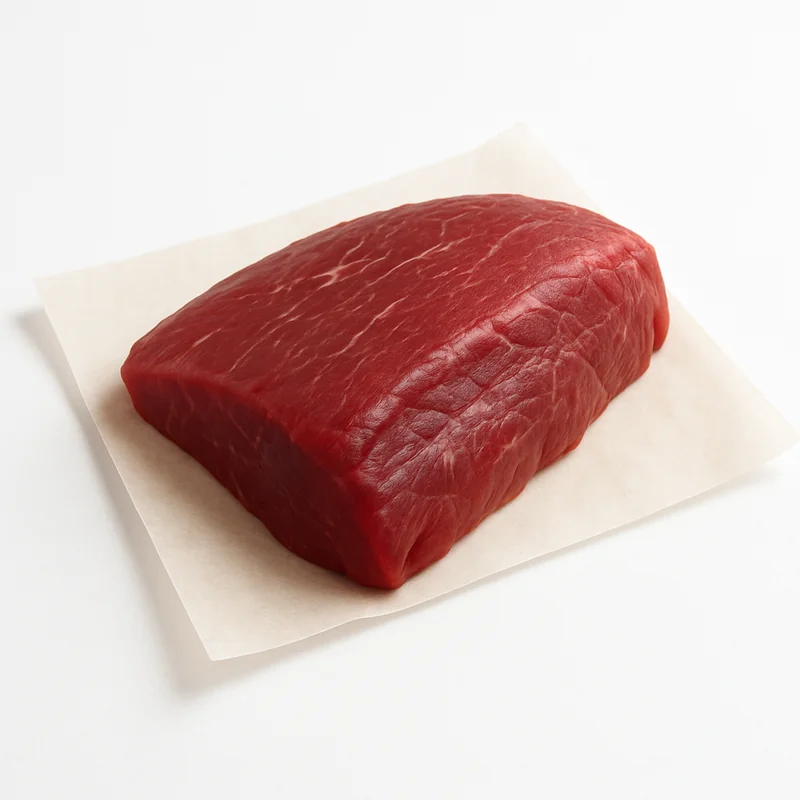
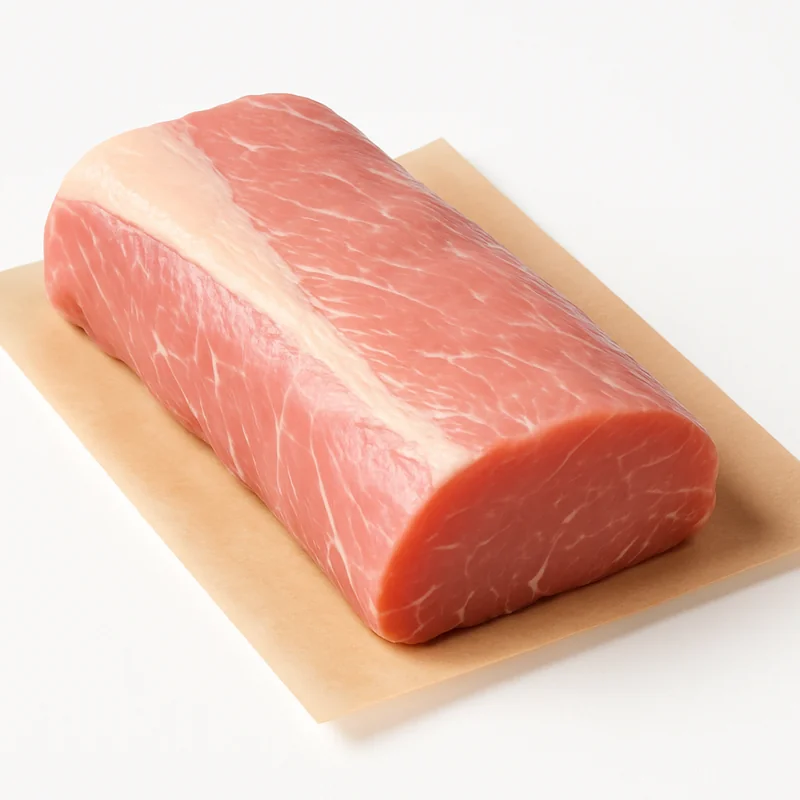
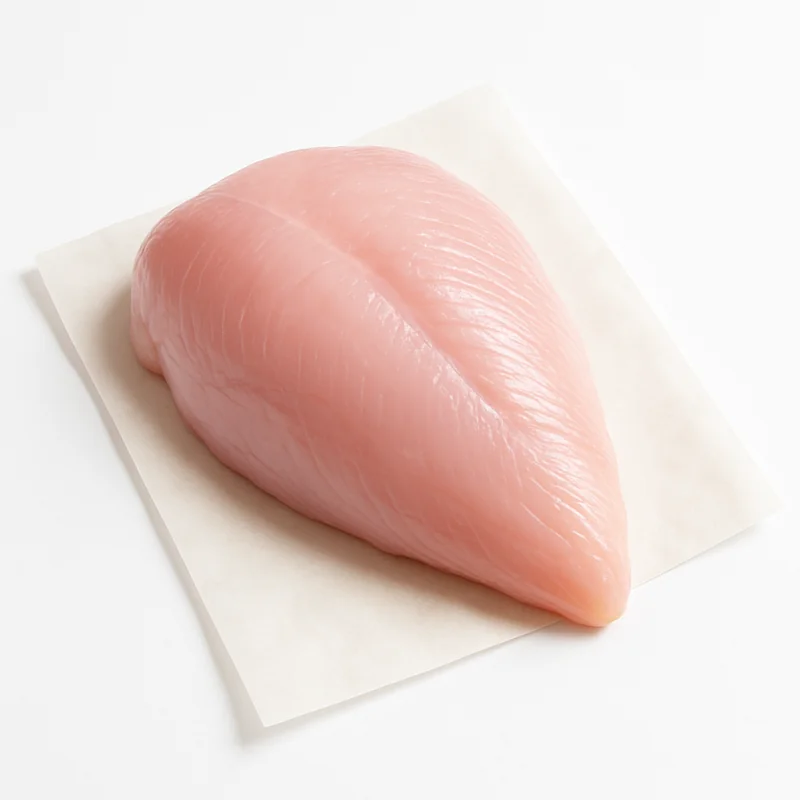
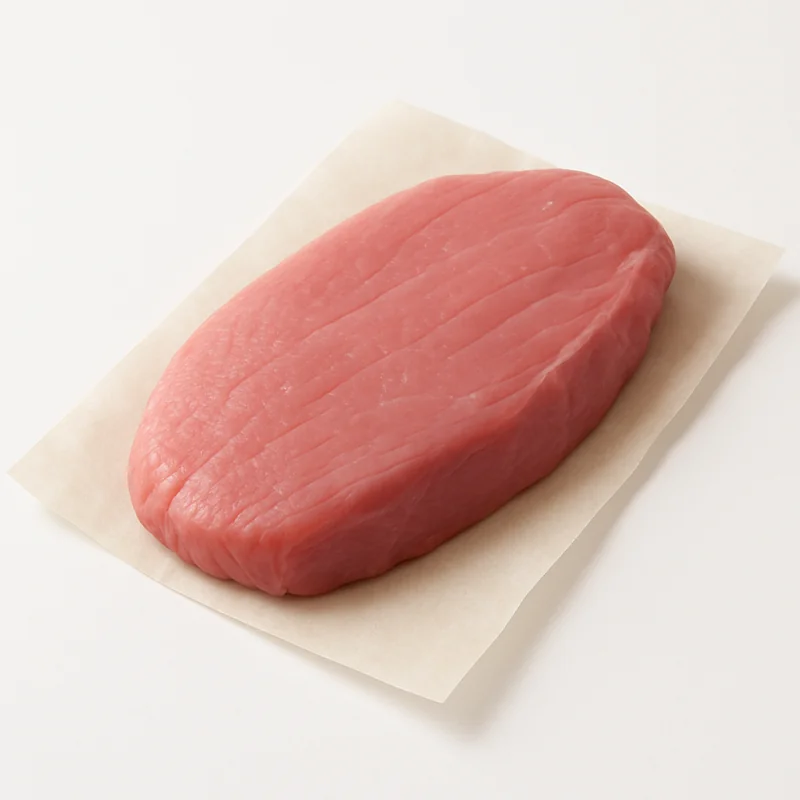
Meat
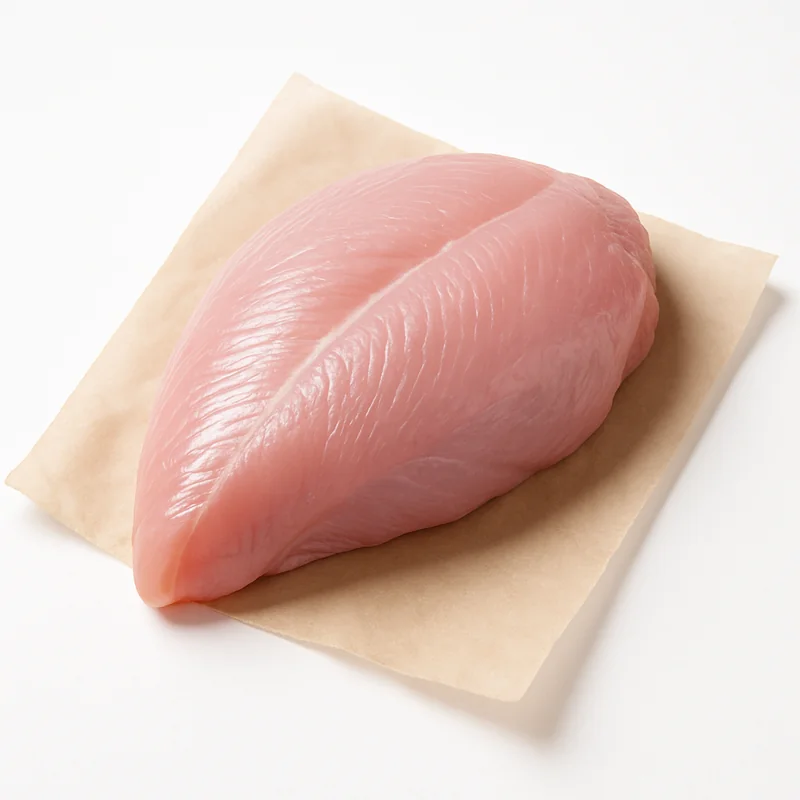
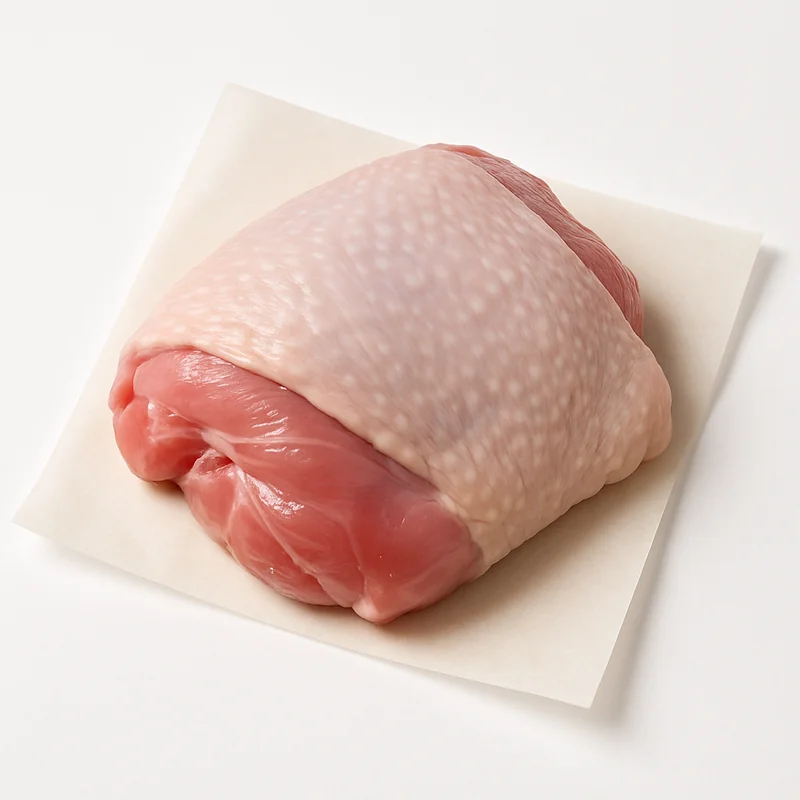
Meat is graded on protein quality and micronutrient density (iron, zinc, B12) balanced against saturated fat and processing — lean, unprocessed cuts score best.




Nuts & Seeds
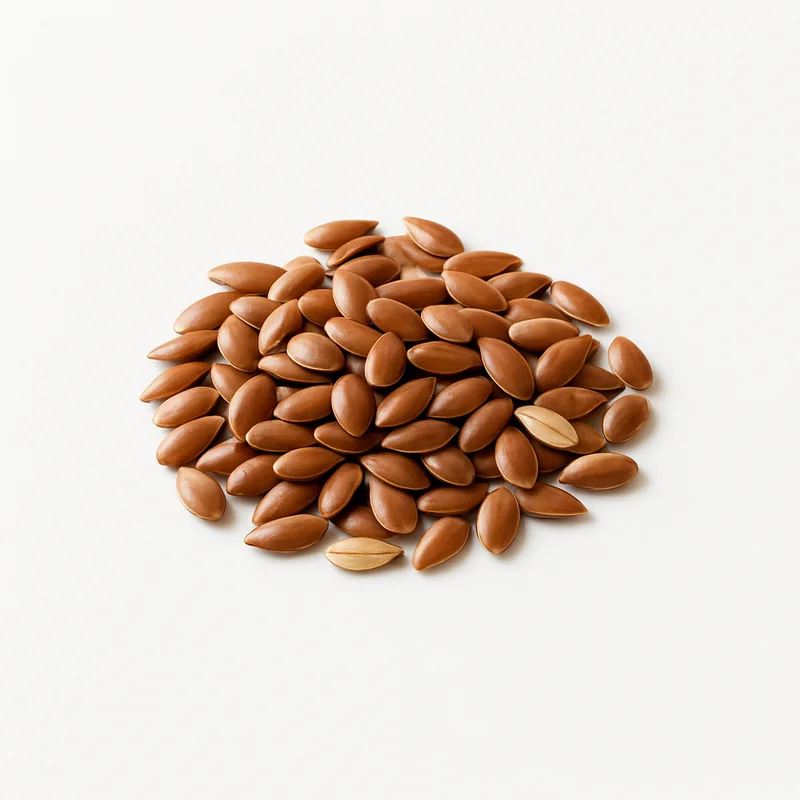
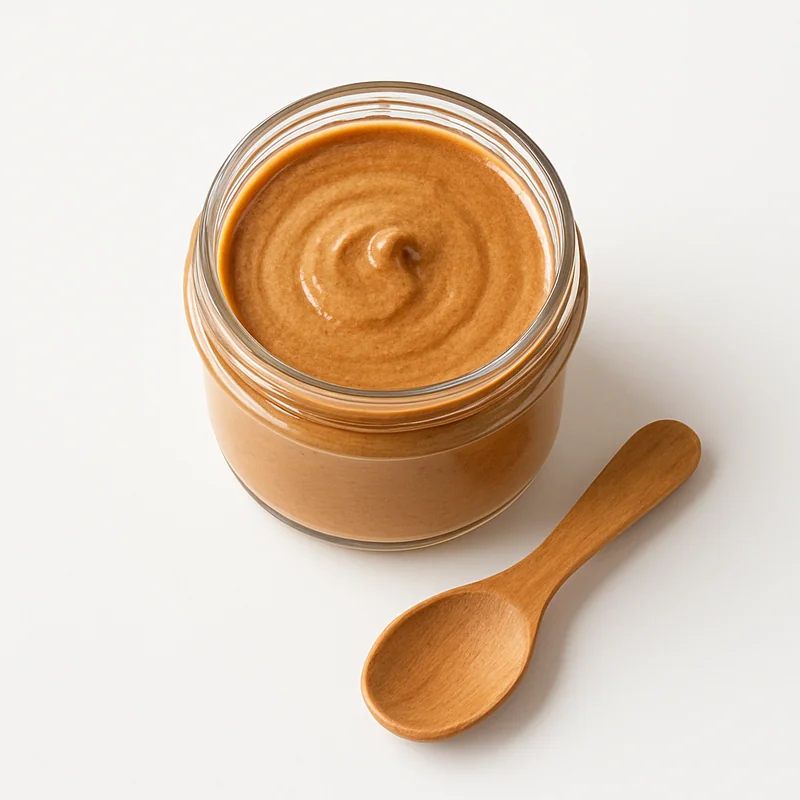
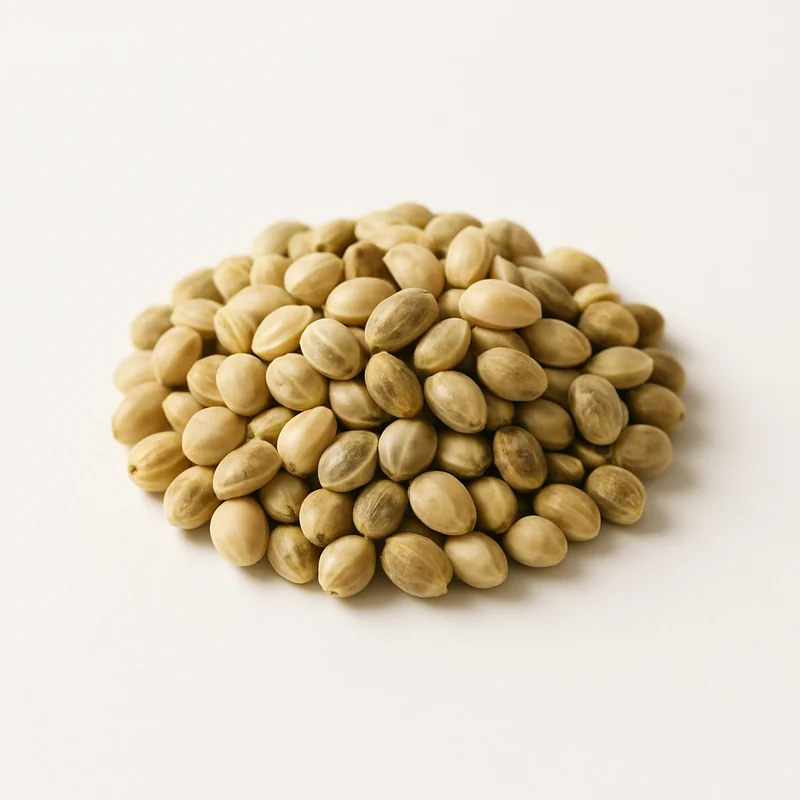
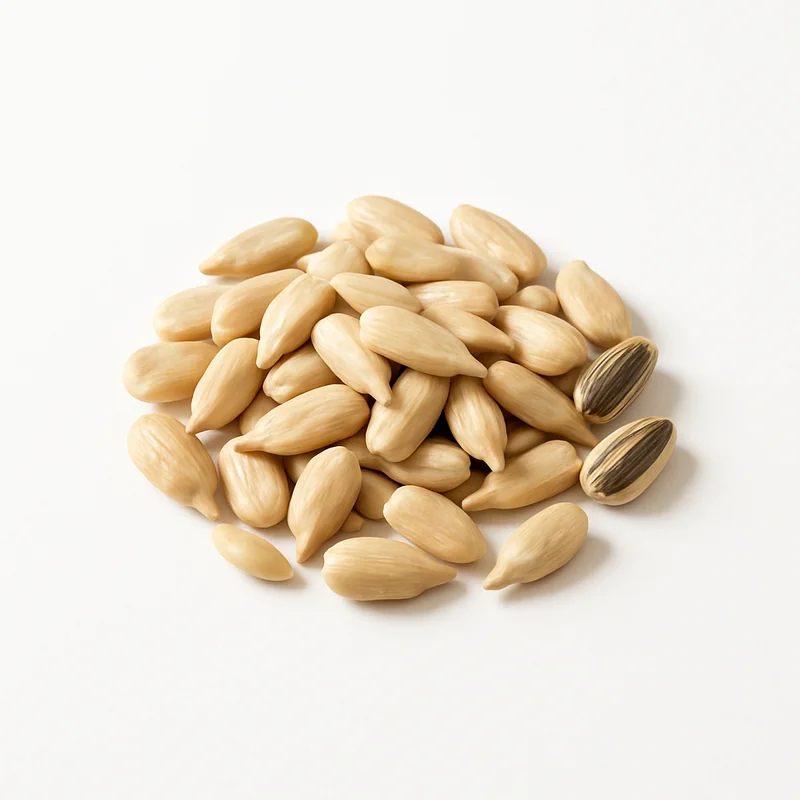
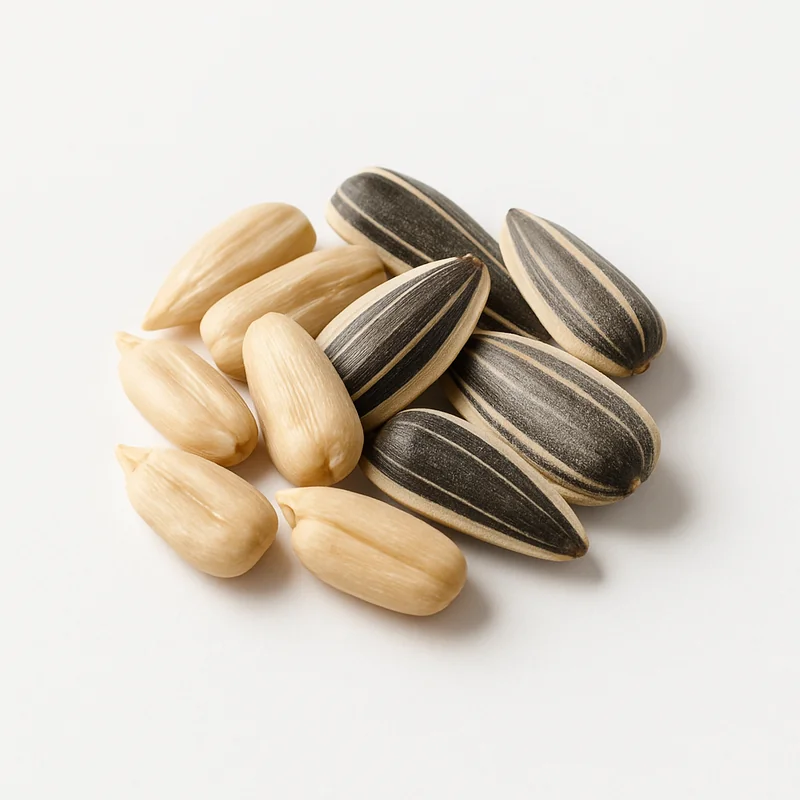
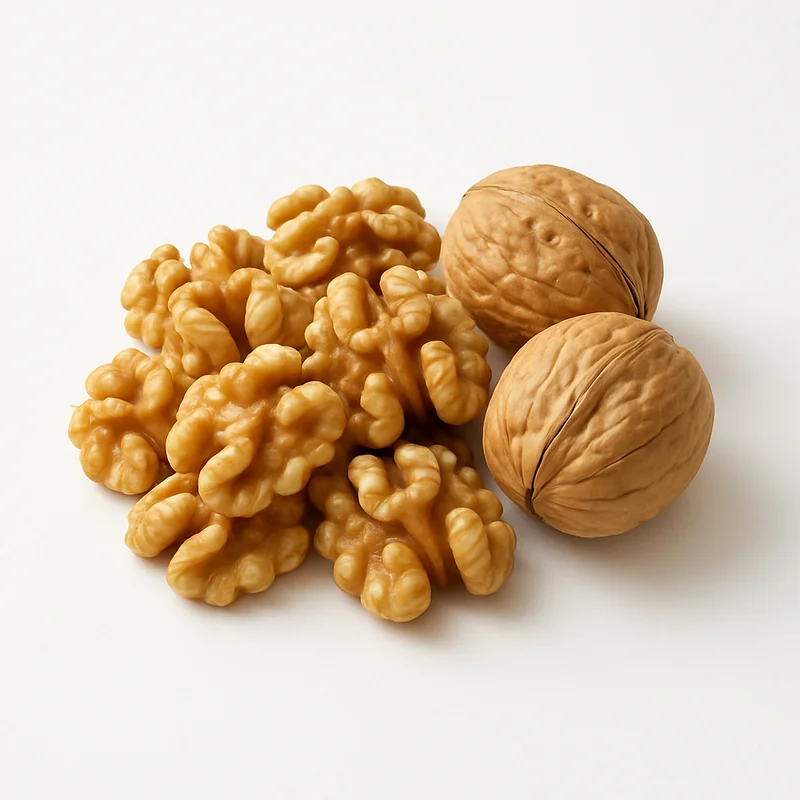
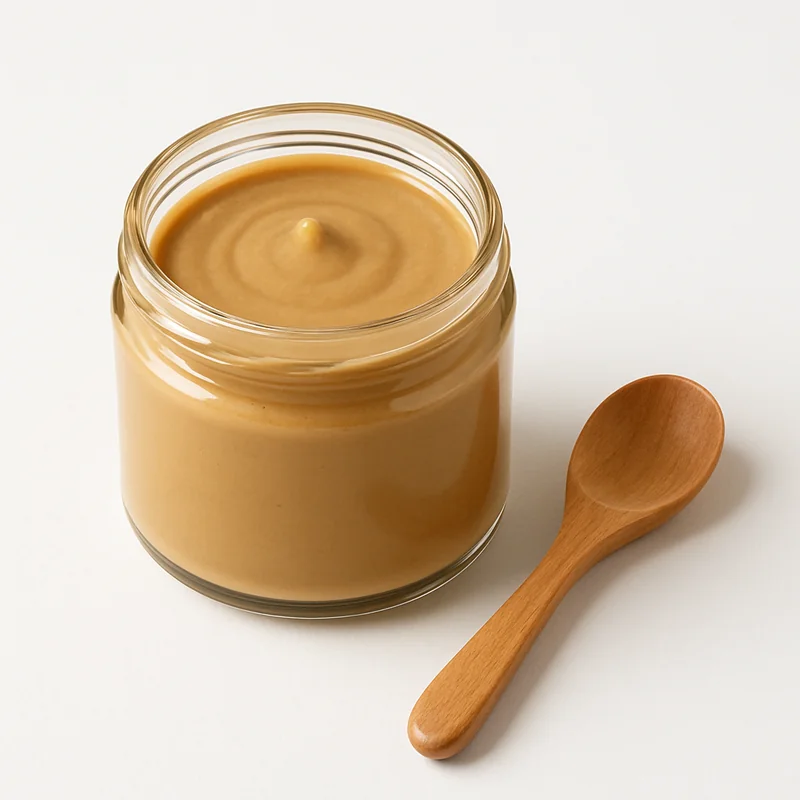
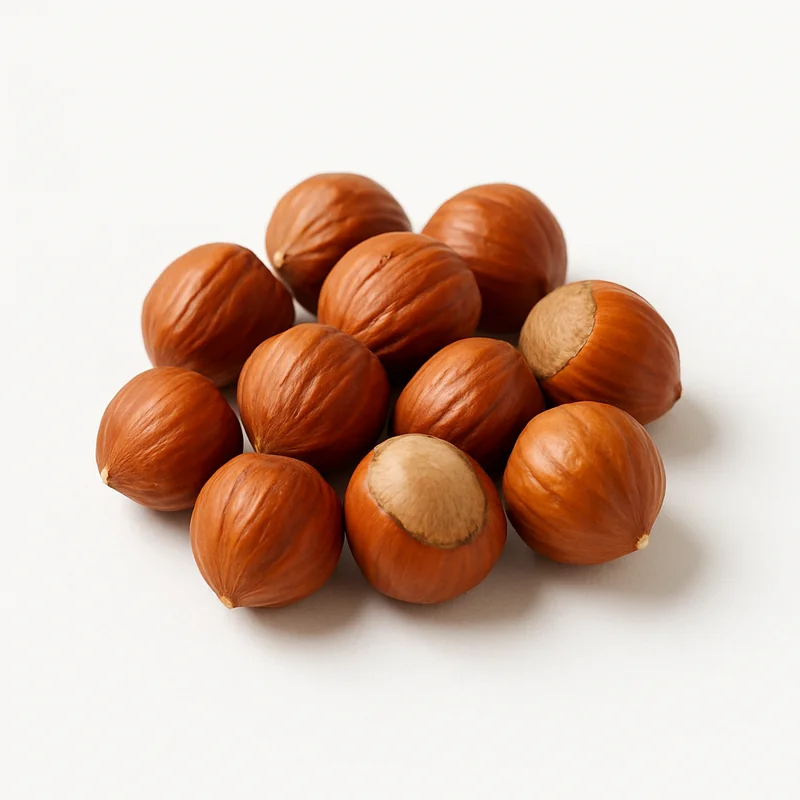
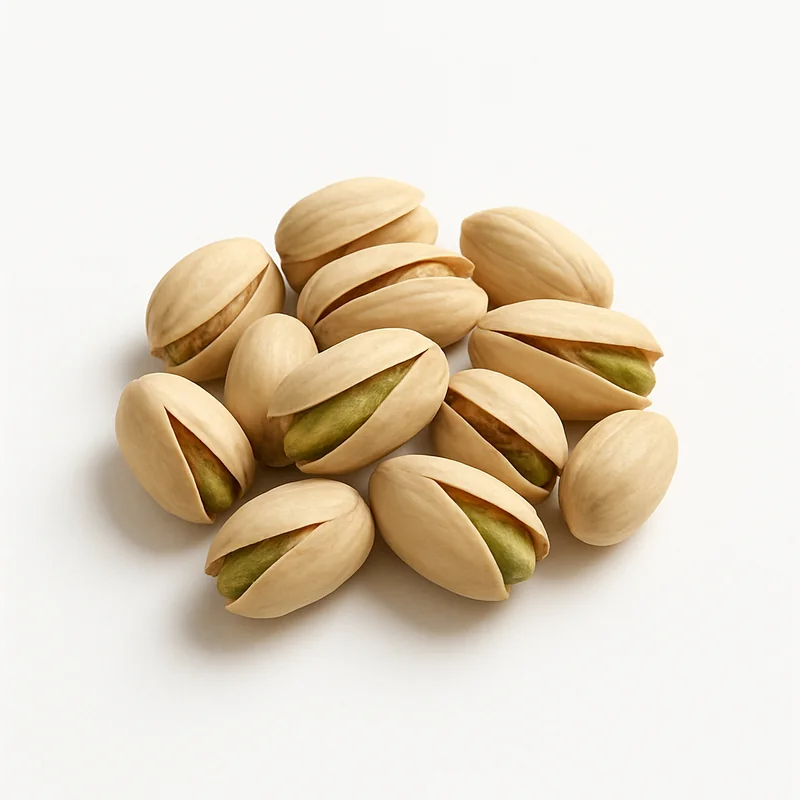
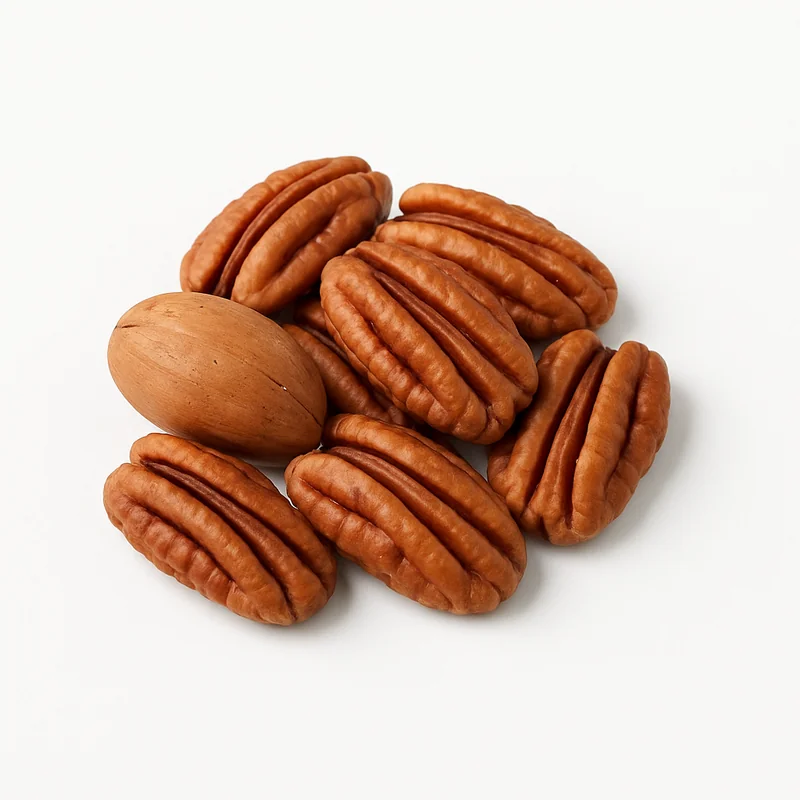
Nuts and seeds are scored on healthy fats, protein, fiber, and minerals like magnesium — whole, unsalted forms outscore roasted-and-salted versions.


Seafood
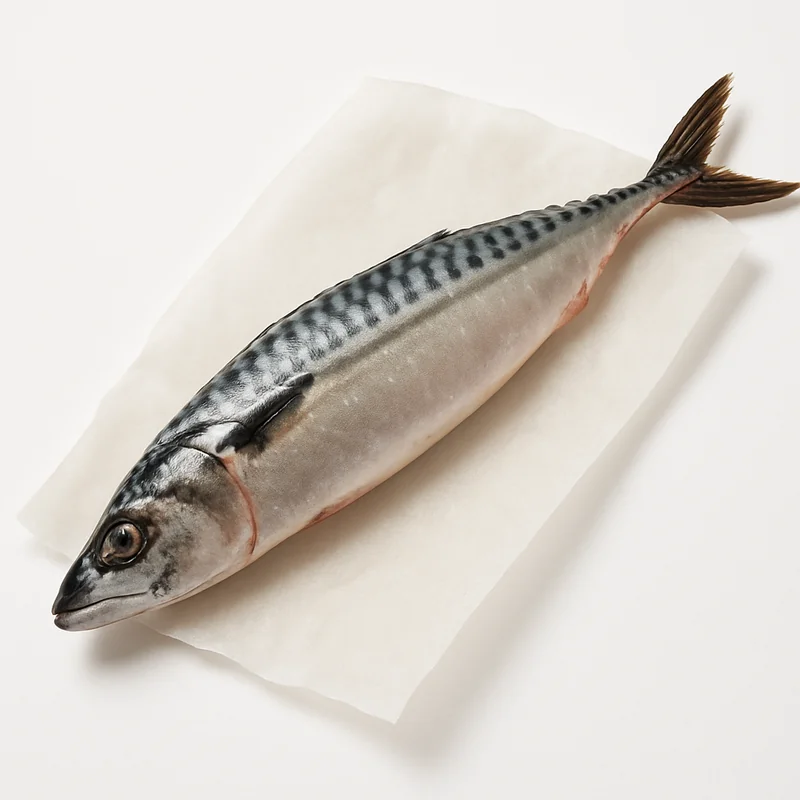
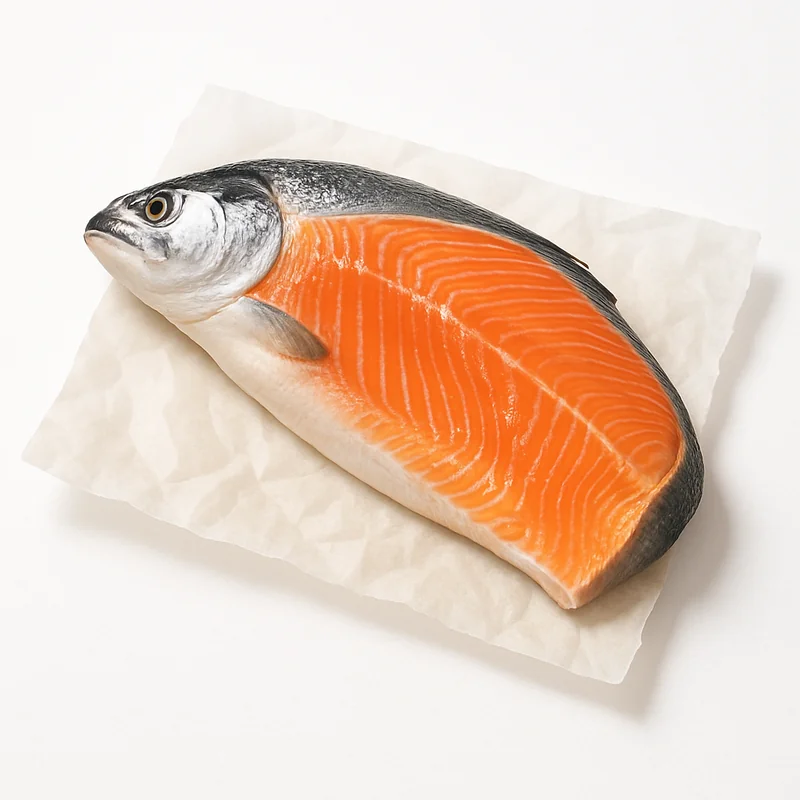
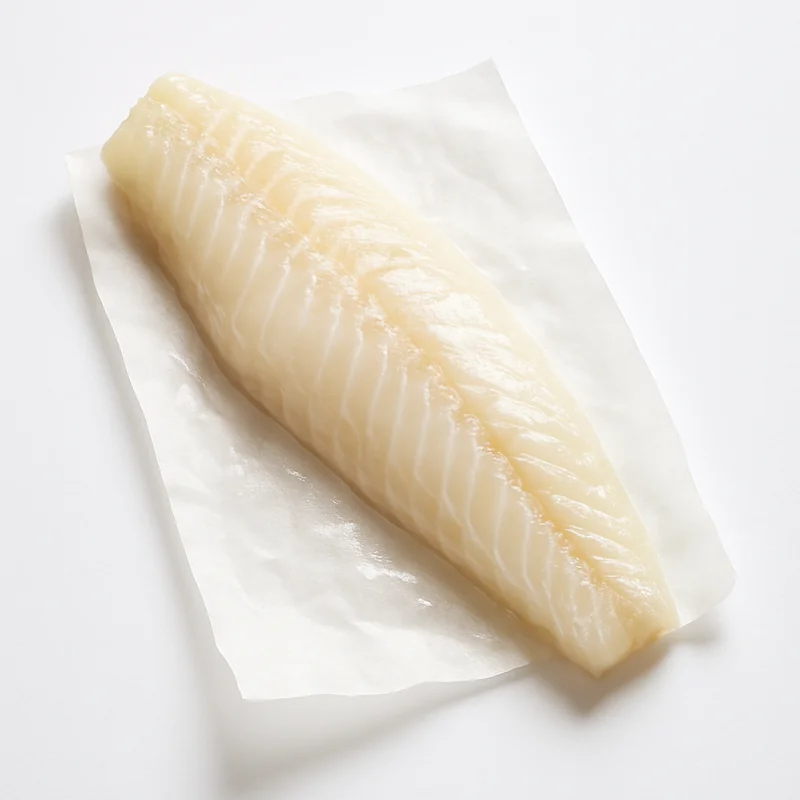
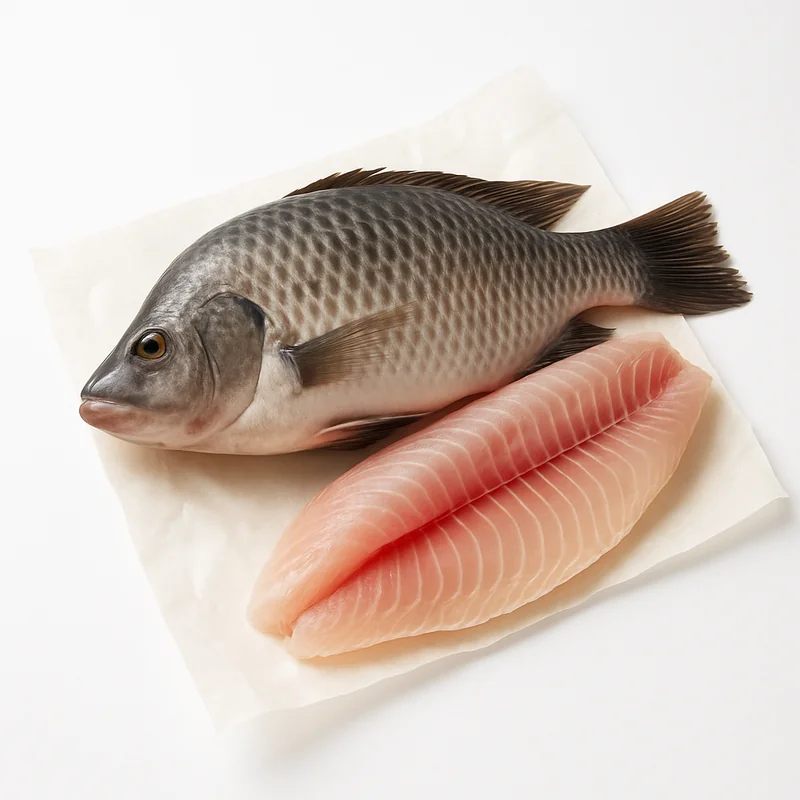
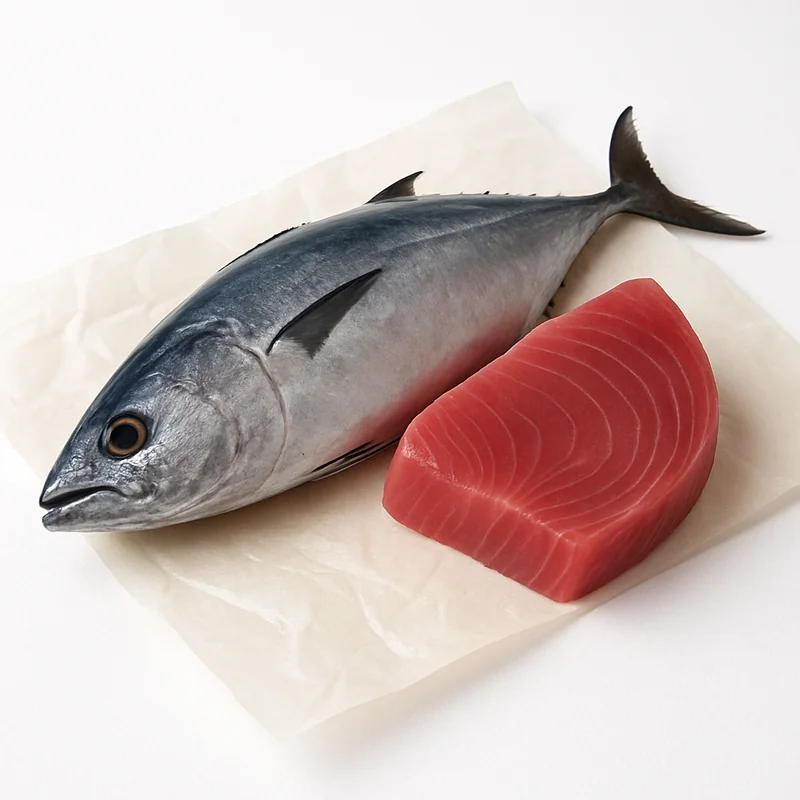
Seafood is scored on protein quality, omega-3 (EPA/DHA) content, and micronutrients like selenium, iodine, and B12 — fatty fish lead the category.







Oils & Fats
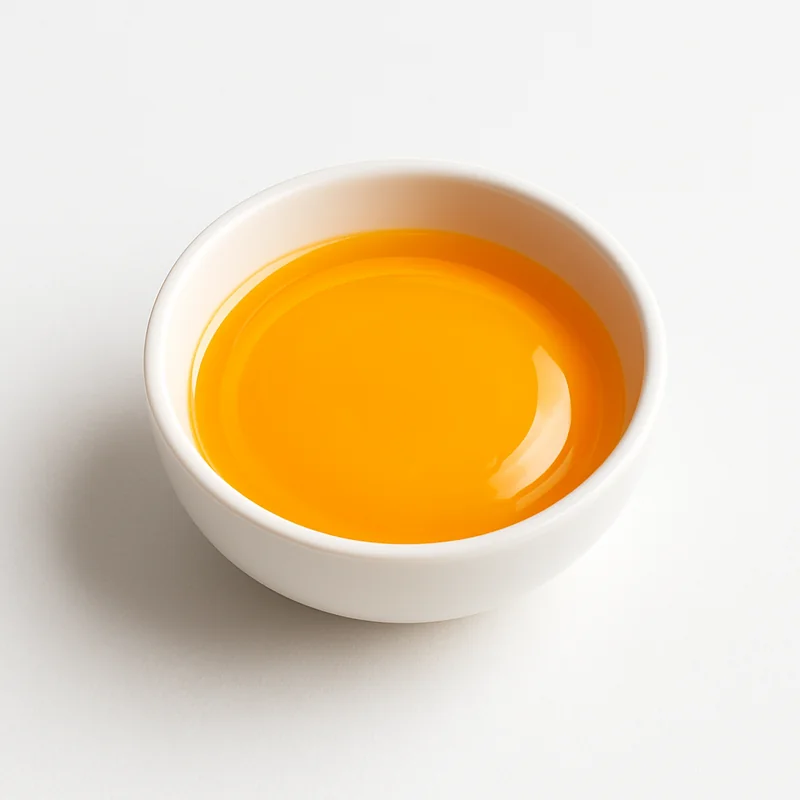
Oils and fats are scored on fatty-acid profile and bioactive content — cold-pressed, monounsaturated- and omega-3-rich oils lead; highly refined and tropical oils trail.




Eggs
Eggs are graded on complete protein, choline, and fat-soluble vitamins — one of the most bioavailable whole-food protein sources.



Beverages
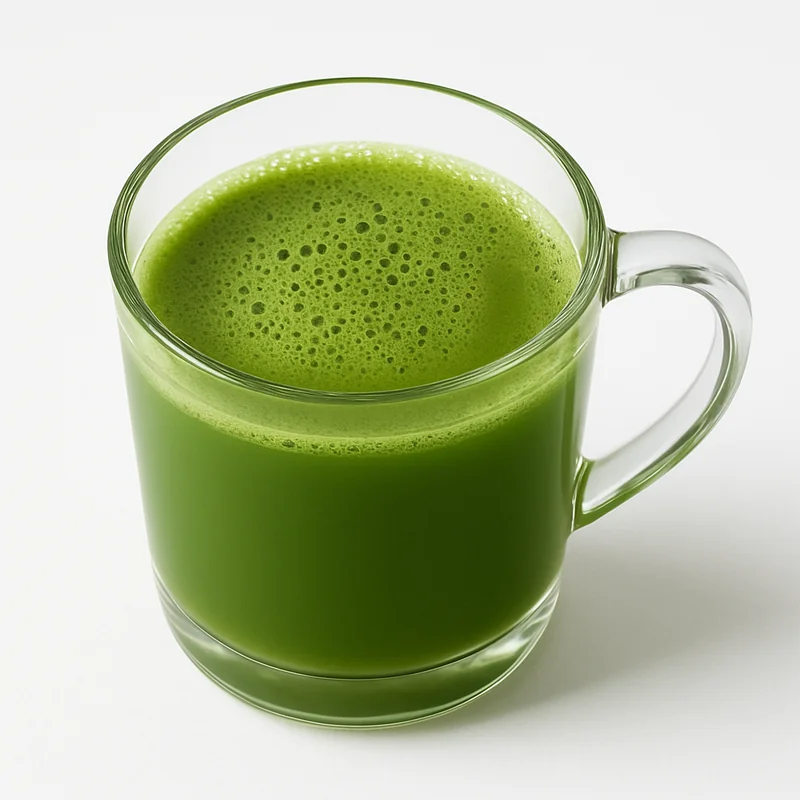
Beverages are graded on micronutrients and beneficial compounds against sugar — unsweetened, polyphenol-rich drinks score highest.
Frequently asked questions
How does Formulate score whole foods?
Every food is graded 0–100 on nutrient density, protein quality, fiber, healthy fats, beneficial plant compounds, and glycemic impact — with a penalty for anti-nutrients. The same rubric is applied to all 486 foods.
Are these food scores about calories?
No. The score measures nutritional quality per serving, not calorie count. A handful of nuts and a soda can have similar calories but land at opposite ends of the scale.
What is the highest-scoring whole food?
Blackberries currently scores 98/100 (grade A+).
Evidence-based supplement guides, no spam
We send a short digest when new guides drop — nothing else. No affiliate pushes, no sponsored content, unsubscribe anytime.