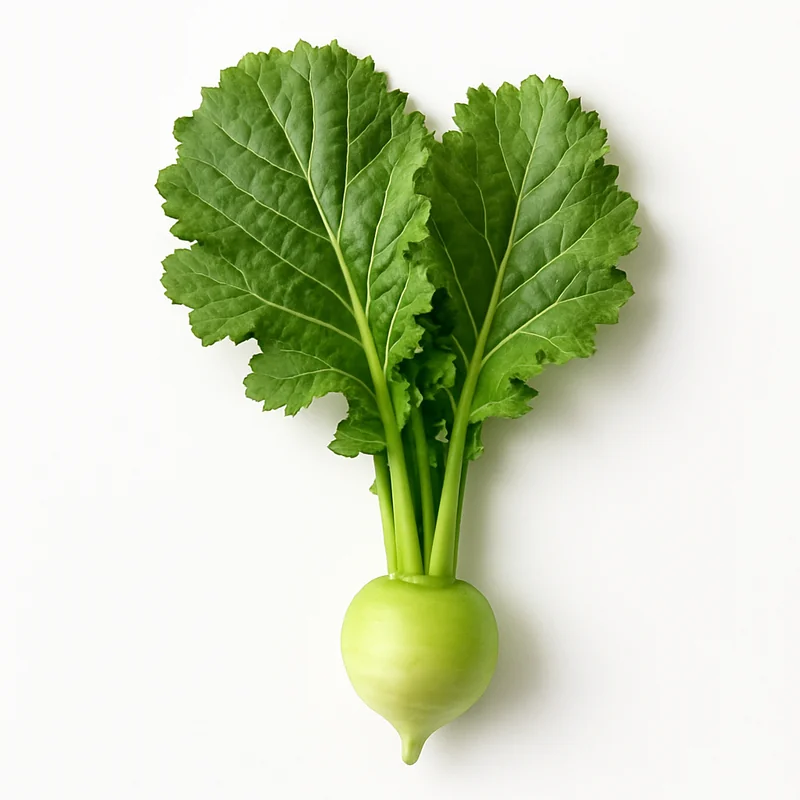
Turnip Green
ScoreA+
Turnip greens are nutrient-dense leafy vegetables exceptionally high in vitamin K, calcium, and antioxidants, making them a cornerstone food for bone health and disease prevention.
Why Turnip Green scores 95
% Daily Value per ½ cup (85 g)
Nutrition
per 100 g
Health benefits
Enhanced bone mineral density and fracture risk reduction
strong evidenceVitamin K activates osteocalcin and matrix Gla protein, enabling calcium binding to bone matrix; combined with bioavailable calcium, this mineral duo strengthens skeletal structure
Cardiovascular disease prevention through homocysteine reduction
strong evidenceFolate and vitamin K regulate homocysteine metabolism; elevated homocysteine is an independent cardiovascular risk factor, and adequate folate intake reduces this risk
Anti-inflammatory and potential cancer-protective effects
moderate evidenceGlucosinolates convert to isothiocyanates upon chewing/cooking, which inhibit NF-κB pathways and induce phase-II detoxification enzymes, reducing chronic disease risk
Improved insulin sensitivity and glycemic control
moderate evidenceFiber content slows glucose absorption and feeds short-chain fatty acid-producing bacteria, improving insulin sensitivity and reducing type 2 diabetes risk
Enhanced antioxidant protection against age-related cellular damage
moderate evidenceVitamins A, C, and E, plus polyphenols, neutralize reactive oxygen species that accelerate aging and disease progression
Pairs well with
- ·Pair with olive oil because fat-soluble vitamins A, K, and E require lipid presence for optimal absorption from the intestinal lumen
- ·Pair with citrus (lemon, orange) because vitamin C enhances non-heme iron bioavailability from turnip greens, critical for vegetarian iron sources
- ·Pair with garlic and onions because allicin and quercetin potentiate glucosinolate conversion to bioactive isothiocyanates through enzymatic interaction
- ·Pair with calcium-fortified plant milks or cheese because synergistic mineral ratios optimize bone mineral deposition and reduce oxalate interference
Practical tips
- ·Best timing: Turnip greens lack time-sensitive nutrients; consume with any meal containing fat for optimal fat-soluble vitamin absorption. Inclusion at lunch or dinner ensures sustained nutrient bioavailability throughout the day.
- ·Lightly sauté rather than boil to preserve water-soluble folate and vitamin C; brief cooking (3-5 minutes) activates myrosinase for glucosinolate conversion without nutrient leaching
- ·Chew thoroughly or massage raw greens before eating to mechanically damage cell walls, allowing glucosinolate-to-isothiocyanate conversion via myrosinase enzyme
- ·Select younger, tender greens with bright color and no yellowing; store in refrigerator in breathable bags for up to 5 days to minimize nutrient degradation
- ·Consume 1-2 cups (50-100g) regularly rather than sporadically; consistent intake optimizes vitamin K-dependent bone remodeling and detoxification enzyme expression
- ·If taking anticoagulants (warfarin), maintain consistent intake rather than alternating—vitamin K doesn't contraindicate these drugs, but dosing requires consistency with your healthcare provider
Related foods
What is Turnip Green actually covering?
See which nutrients your diet already delivers and which ones your supplements still need to — food and pills measured on the same scale.
Check my nutrients2 questions · free · no account needed to start
Also on iPhone — get the free app
Evidence-based supplement guides, no spam
We send a short digest when new guides drop — nothing else. No affiliate pushes, no sponsored content, unsubscribe anytime.