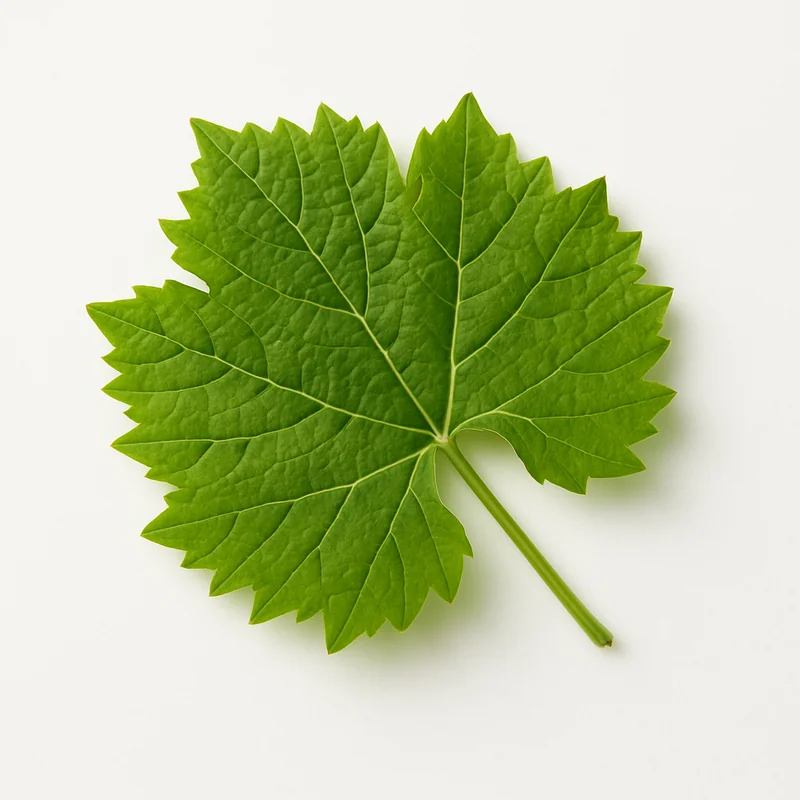
Grape Leave
ScoreA+
Grape leaves are nutrient-dense leafy greens from the grapevine, exceptionally high in vitamin K, calcium, and fiber while being extremely low in calories. They offer a traditional Mediterranean food with notable anti-inflammatory and bone-supporting properties.
Why Grape Leave scores 96
% Daily Value per ½ cup (85 g)
Nutrition
per 100 g
Health benefits
Supports bone mineral density and fracture prevention
strong evidenceHigh vitamin K content (109 mcg/100g) activates osteocalcin, a bone matrix protein essential for calcium binding. Combined with 363 mg calcium per serving, this creates optimal conditions for bone mineralization and reduces osteoporosis risk.
Reduces systemic inflammation and oxidative stress
moderate evidenceGrape leaves contain quercetin and gallic acid polyphenols that inhibit NF-κB signaling and reduce pro-inflammatory cytokine production, particularly relevant for aging-related inflammation (inflammaging).
Supports cardiovascular health through potassium and polyphenols
moderate evidencePotassium (272 mg) regulates sodium-potassium pump function and vascular tone, while polyphenols improve endothelial function and reduce arterial stiffness markers.
Promotes healthy gut microbiota and metabolic stability
strong evidenceHigh fiber content (11g/100g) serves as prebiotic substrate for short-chain fatty acid-producing bacteria, improving barrier integrity and glucose homeostasis.
Supports detoxification and liver function
emerging evidencePolyphenolic compounds upregulate Phase II detoxification enzymes (glutathione S-transferases), enhancing xenobiotic elimination and hepatoprotection.
Pairs well with
- ·Pair with olive oil because the polyphenols (quercetin, gallic acid) are fat-soluble, requiring dietary lipids for optimal absorption and bioavailability
- ·Combine with lemon juice or vinegar because acidic compounds enhance iron absorption from grape leaves and may increase polyphenol stability in the digestive tract
- ·Serve with fermented foods (yogurt, kefir) because the probiotic bacteria enhance vitamin K2 synthesis and improve mineral bioavailability through enhanced intestinal barrier function
- ·Pair with allium vegetables (garlic, onions) because sulfur compounds synergize anti-inflammatory effects through complementary polyphenol and organosulfur mechanisms
Practical tips
- ·Best timing: Grape leaves contain no stimulants or compounds that interfere with sleep; their high fiber benefits digestion throughout the day. Consuming with lunch or dinner alongside fat sources optimizes polyphenol absorption. Morning consumption provides vitamin K for sustained bone-related osteocalcin activity.
- ·Fresh grape leaves are seasonal (spring-early summer); preserve by blanching and freezing or brining in jars for year-round use—preserved leaves retain vitamin K and polyphenol content effectively
- ·If using jarred brined grape leaves, rinse thoroughly to reduce sodium content; blanch fresh leaves briefly (30 seconds) before rolling to improve pliability without destroying heat-sensitive vitamins
- ·Select young, tender leaves with vibrant green color; older leaves develop tougher textures and slightly more astringent tannins, though nutritional value remains high
- ·Incorporate grape leaves into salads raw or lightly wilted for maximum vitamin C retention; alternatively, use in cooked dishes where polyphenol stability is improved by brief heating (5-10 minutes)
- ·Store fresh grape leaves refrigerated in sealed bags for up to 5 days, or blanch-freeze for 6+ months; ensure good air circulation to prevent moisture accumulation
Related foods
What is Grape Leave actually covering?
See which nutrients your diet already delivers and which ones your supplements still need to — food and pills measured on the same scale.
Check my nutrients2 questions · free · no account needed to start
Also on iPhone — get the free app
Evidence-based supplement guides, no spam
We send a short digest when new guides drop — nothing else. No affiliate pushes, no sponsored content, unsubscribe anytime.