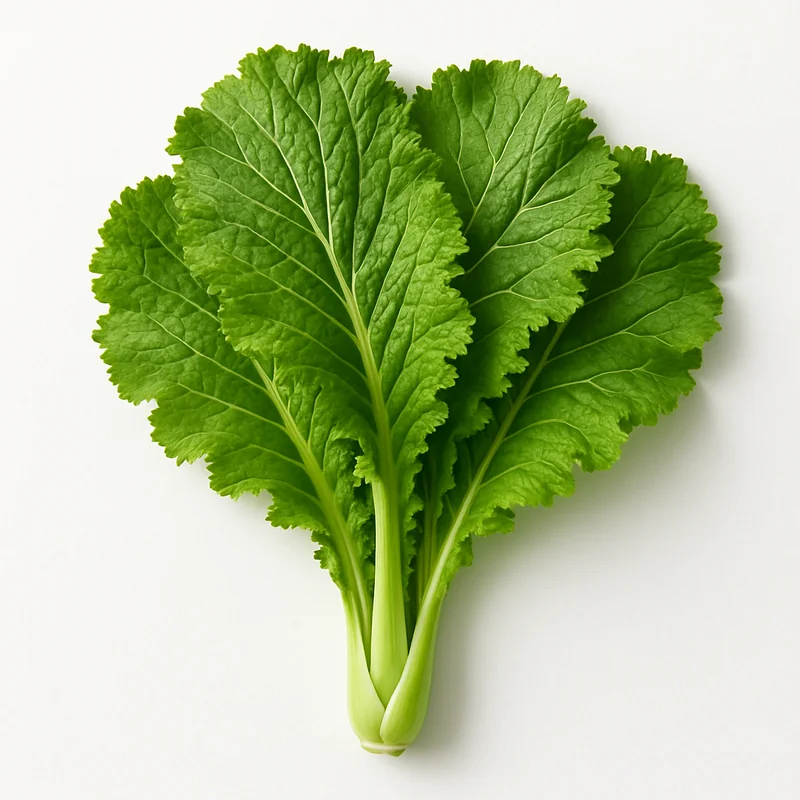
Mustard Green
ScoreA+
Mustard greens are a nutrient-dense leafy cruciferous vegetable exceptionally high in vitamin K, vitamin C, and potassium, providing powerful antioxidant and anti-inflammatory benefits with minimal caloric density.
Why Mustard Green scores 97
% Daily Value per ½ cup (85 g)
Nutrition
per 100 g
Health benefits
Supports bone health and reduces osteoporosis risk
strong evidenceExceptional vitamin K content (258 mcg/100g) activates osteocalcin proteins essential for bone mineralization and calcium binding in the bone matrix
Reduces cancer risk through Phase I and II detoxification
moderate evidenceGlucosinolates in mustard greens are metabolized into sulforaphane and isothiocyanates, which upregulate detoxification enzymes (GST, SOD) and induce apoptosis in pre-cancerous cells
Improves cardiovascular health and reduces arterial stiffness
strong evidenceHigh potassium (384mg) supports vasodilation and electrolyte balance; vitamin K activates Matrix Gla Protein (MGP) to prevent arterial calcification
Enhances immune function and reduces infection risk
strong evidenceVitamin C (70mg) supports collagen cross-linking for barrier integrity and promotes T-cell differentiation; flavonoids provide antiviral and antibacterial effects
Promotes healthy gut microbiota and metabolic health
moderate evidenceSoluble fiber (3.2g/100g) serves as prebiotic substrate for beneficial bacteria; produces short-chain fatty acids linked to reduced inflammation and improved insulin sensitivity
Pairs well with
- ·Pair with healthy fats (olive oil, avocado, nuts) because fat-soluble vitamins K, A, and E require dietary fat for optimal absorption and transport
- ·Combine with alliums (garlic, onions) because sulfur compounds enhance glucosinolate metabolism and provide synergistic anti-inflammatory effects
- ·Serve with vitamin C sources (citrus, bell peppers) because acidic environments preserve heat-sensitive vitamin C during cooking and enhance non-heme iron bioavailability from the greens
- ·Pair with fermented foods (kimchi, sauerkraut, tempeh) because established gut bacteria directly improve glucosinolate conversion to bioactive isothiocyanates
Practical tips
- ·Best timing: Mustard greens contain no compounds that concentrate at specific times; however, consuming with meals enhances fat-soluble vitamin absorption and stabilizes blood sugar with fiber content
- ·Consume raw or lightly sautéed (2-3 minutes) to preserve heat-sensitive vitamin C and glucosinolate compounds; prolonged cooking reduces these beneficial compounds by 30-50%
- ·Massage raw mustard greens with salt and lemon juice to break down cell walls, improve texture, and enhance nutrient bioavailability without cooking
- ·Store in refrigerator crisper drawer in breathable bag for up to 7 days; wash thoroughly as leafy greens can harbor soil pathogens
- ·Choose younger, smaller leaves with vibrant color for milder peppery flavor and more tender texture; older leaves become increasingly bitter
- ·Aim for 1-2 cups of mustard greens daily (raw or cooked equivalent) to achieve meaningful vitamin K intake while maintaining variety in cruciferous vegetable consumption
Related foods
What is Mustard Green actually covering?
See which nutrients your diet already delivers and which ones your supplements still need to — food and pills measured on the same scale.
Check my nutrients2 questions · free · no account needed to start
Also on iPhone — get the free app
Evidence-based supplement guides, no spam
We send a short digest when new guides drop — nothing else. No affiliate pushes, no sponsored content, unsubscribe anytime.