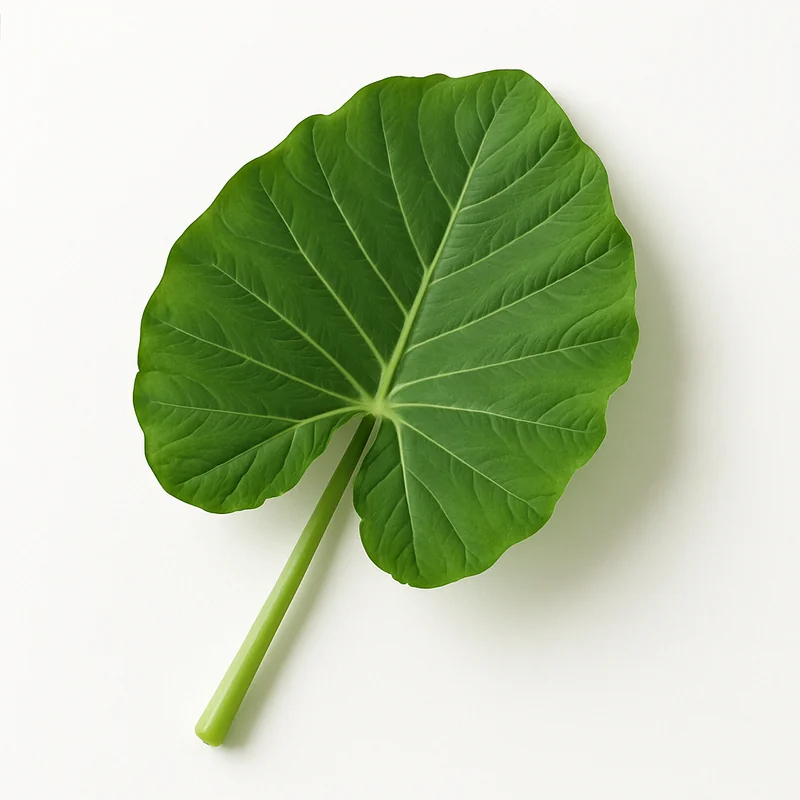
Taro Leave
ScoreA+
Taro leaves are nutrient-dense leafy greens rich in potassium, vitamin K, and folate, offering significant cardiovascular and bone health benefits with minimal calories.
Why Taro Leave scores 95
% Daily Value per ½ cup (85 g)
Nutrition
per 100 g
Health benefits
Blood pressure regulation and cardiovascular health
strong evidenceHigh potassium content (648mg/100g) activates Na-K-ATPase pump, promoting sodium excretion and reducing arterial stiffness, lowering hypertension risk
Bone density support and fracture prevention
strong evidenceVitamin K (108.6mcg/100g) carboxylates osteocalcin, essential for binding calcium to bone matrix and maintaining skeletal integrity
Neural health and homocysteine reduction
moderate evidenceFolate (126mcg/100g) participates in one-carbon metabolism, reducing homocysteine levels linked to cognitive decline and cardiovascular disease
Antioxidant defense and inflammation reduction
moderate evidencePolyphenols and vitamin C content mitigate oxidative stress and pro-inflammatory pathways implicated in aging and chronic disease
Digestive health and glycemic stability
moderate evidenceDietary fiber (3.7g/100g) slows glucose absorption, promotes beneficial microbiota, and enhances satiety for metabolic health
Pairs well with
- ·Pair with lemon or citrus because vitamin C enhances iron bioavailability from taro leaves and boosts collagen synthesis
- ·Combine with healthy fats (olive oil, avocado, coconut oil) because fat-soluble vitamin K absorption is optimized in the presence of dietary lipids
- ·Serve with garlic and ginger because these aromatics contain organosulfur compounds that potentiate anti-inflammatory effects of taro's polyphenols
- ·Pair with legumes (beans, lentils) because complementary amino acid profiles create complete protein and enhance mineral bioavailability through fermentation
Practical tips
- ·Best timing: Taro leaves can be consumed at any meal; however, lunchtime or early dinner provides sustained satiety and stable blood glucose throughout afternoon and evening hours due to fiber content
- ·Always cook taro leaves thoroughly (boil 15-20 minutes minimum or steam) before consumption to hydrolyze calcium oxalates, which can inhibit mineral absorption and cause mouth irritation
- ·Select young, tender taro leaves with vibrant green color; avoid yellowed or damaged leaves. Store in perforated plastic bags in refrigerator for up to 5 days to maintain freshness
- ·Blanch and freeze cooked taro leaves in portions for convenient year-round access; frozen leaves retain most nutritional value for 8-12 months
- ·Change cooking water once during extended boiling to further reduce oxalate content while preserving water-soluble nutrients; drain well before consumption
- ·Incorporate into soups, curries, stir-fries, or sautéed dishes rather than consuming in large raw quantities to ensure safety and maximize nutrient bioavailability
Related foods
What is Taro Leave actually covering?
See which nutrients your diet already delivers and which ones your supplements still need to — food and pills measured on the same scale.
Check my nutrients2 questions · free · no account needed to start
Also on iPhone — get the free app
Evidence-based supplement guides, no spam
We send a short digest when new guides drop — nothing else. No affiliate pushes, no sponsored content, unsubscribe anytime.