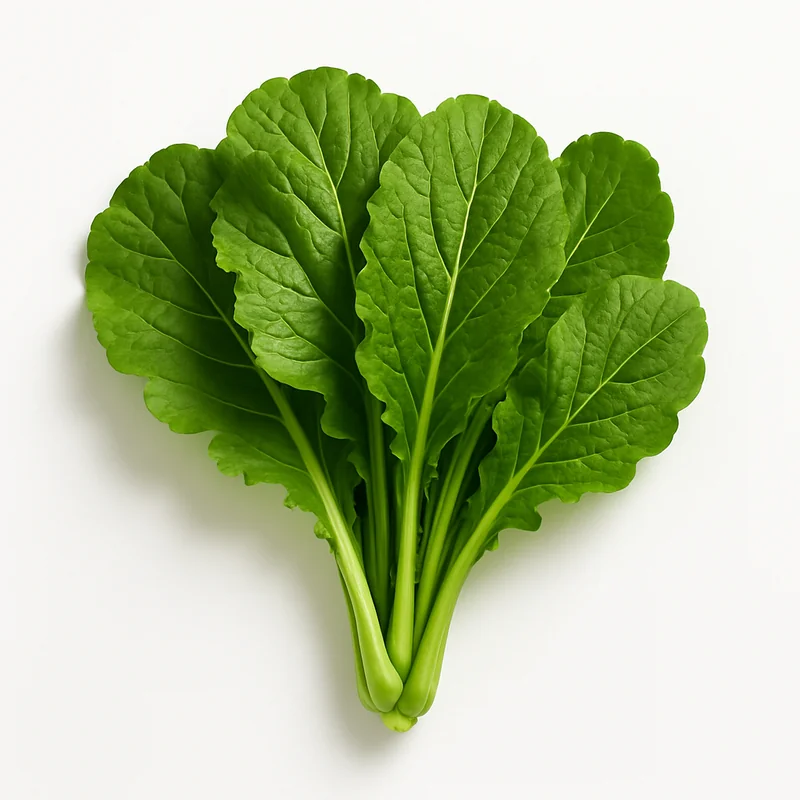
Mustard Spinach
ScoreA+
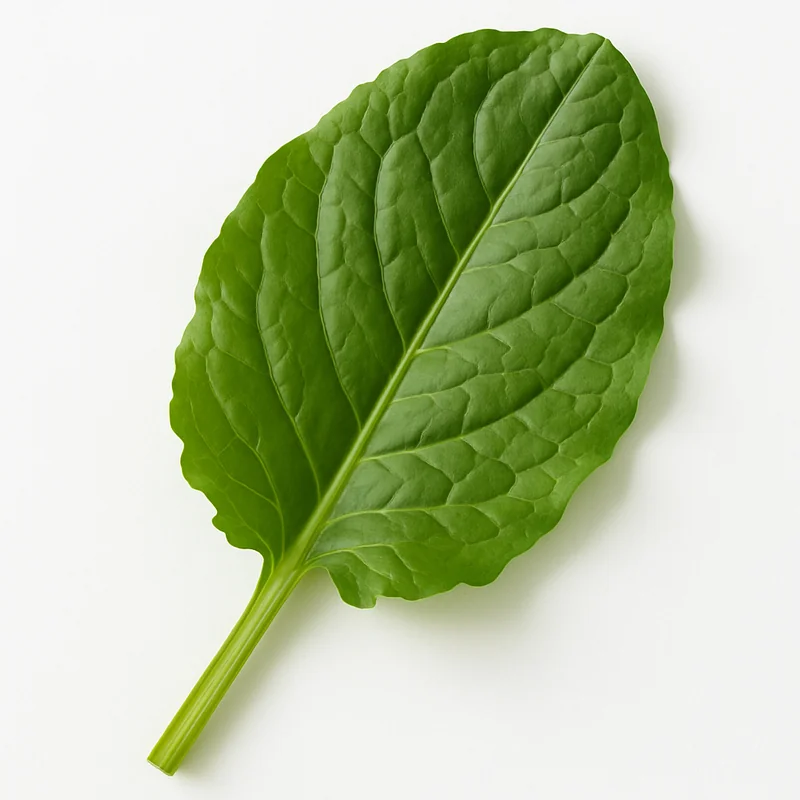
Mustard spinach is a leafy cruciferous green with a peppery flavor, exceptionally high in vitamin C, vitamin A, and calcium while remaining very low in calories. It combines the nutritional density of traditional spinach with unique glucosinolates found in the brassica family.
Why Mustard Spinach scores 97
% Daily Value per ½ cup (85 g)
Nutrition
per 100 g
Health benefits
Enhanced bone mineral density and fracture risk reduction
strong evidenceHigh bioavailable calcium (210mg/100g) combined with lower oxalate content than spinach, plus vitamin C for collagen cross-linking and vitamin K for osteocalcin activation
Cellular detoxification and oxidative stress reduction
moderate evidenceGlucosinolates metabolize into isothiocyanates that activate Nrf2-mediated expression of antioxidant response elements and Phase II detoxification enzymes (glutathione S-transferases)
Cardiovascular health and blood pressure regulation
moderate evidenceHigh potassium (449mg) supports sodium-potassium ATPase function and endothelial nitric oxide production; glucosinolates reduce inflammatory markers associated with atherosclerosis progression
Immune function and collagen synthesis
strong evidenceExceptionally high vitamin C (130mg/100g) supports T-cell differentiation, neutrophil function, and hydroxylation of proline and lysine in collagen for tissue integrity
Epigenetic health and one-carbon metabolism
moderate evidenceFolate (159mcg) acts as a methyl donor for DNA methylation patterns and histone modifications; adequate folate correlates with improved telomere maintenance
Pairs well with
- ·Pair with olive oil (2-3 tsp per serving) because fat-soluble vitamins A and K require lipid co-absorption, and polyphenols in olive oil potentiate glucosinolate stability
- ·Combine with citrus juice (lemon or orange) because vitamin C enhances non-heme iron absorption from the 1.5mg iron per 100g, increasing bioavailability 3-4 fold
- ·Serve with cruciferous ferments (sauerkraut, kimchi) because pre-existing isothiocyanates and probiotics synergize detoxification pathways and support glucosinolate metabolism
- ·Pair with allium vegetables (garlic, onions) because sulfur compounds in both families activate overlapping detoxification pathways and enhance Nrf2 signaling
Practical tips
- ·Best timing: Mustard spinach lacks significant amounts of oxalate (unlike spinach) and contains no compounds that interfere with mineral absorption if eaten with meals. Its low calorie density makes it ideal for any meal or snack; the glucosinolates benefit from pairing with fat (lunch/dinner) for improved absorption, while vitamin C supports iron absorption across all meals.
- ·Consume raw or lightly cooked (steamed <5 minutes) to preserve glucosinolates and vitamin C; excessive cooking (>10 minutes) degrades these heat-sensitive bioactives by 30-50%
- ·Store in a sealed plastic bag in the crisper drawer at 2-4°C for up to 7 days; mustard spinach deteriorates faster than common spinach due to higher respiration rates
- ·Massage or blanch briefly (2 minutes) before consuming to reduce peppery bite if new to the vegetable, then gradually increase raw consumption to maintain bioactive compounds
- ·Include 100-150g (handful) daily as part of mixed greens to achieve clinically meaningful phytonutrient doses without excessive raw vegetable volume; frozen mustard spinach retains 85% of glucosinolates when properly flash-frozen
- ·Chew thoroughly to maximize myrosinase enzyme contact with glucosinolates, enhancing isothiocyanate release; blending or juicing with mustard powder can substitute myrosinase if raw vegetables are not tolerated
Related foods
What is Mustard Spinach actually covering?
See which nutrients your diet already delivers and which ones your supplements still need to — food and pills measured on the same scale.
Check my nutrients2 questions · free · no account needed to start
Also on iPhone — get the free app
Evidence-based supplement guides, no spam
We send a short digest when new guides drop — nothing else. No affiliate pushes, no sponsored content, unsubscribe anytime.