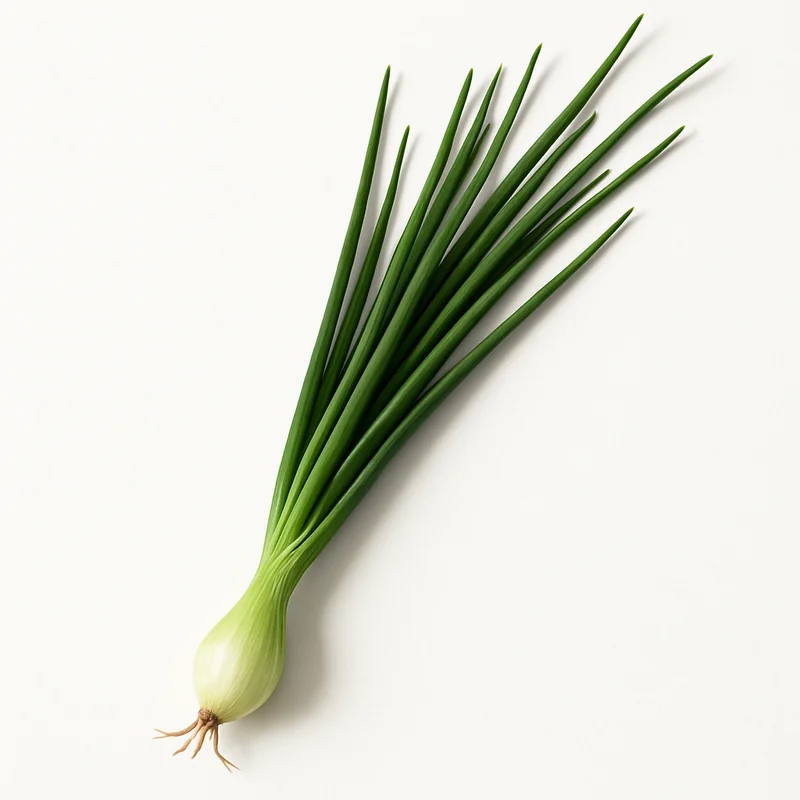
Chive
ScoreA+
Chives are a mild-flavored allium vegetable rich in vitamin K, folate, and potassium with negligible calories. They provide sulfur-containing compounds and antioxidants that support cardiovascular and bone health.
Why Chive scores 96
% Daily Value per ½ cup (85 g)
Nutrition
per 100 g
Health benefits
Supports bone health and cardiovascular mineralization
strong evidenceVitamin K activates osteocalcin and matrix Gla protein, which direct calcium into bone matrix and away from arterial walls
Reduces cardiovascular disease risk through homocysteine metabolism
strong evidenceFolate supports methylation pathways that convert homocysteine to methionine; elevated homocysteine is an independent CVD risk factor
Anti-inflammatory and antioxidant effects
moderate evidenceOrganosulfur compounds (allyl sulfides) and flavonoid quercetin inhibit NF-κB signaling and reduce oxidative stress markers
Supports healthy blood pressure regulation
moderate evidenceHigh potassium-to-sodium ratio and potassium's role in vascular smooth muscle relaxation and sodium-potassium pump function
Enhances cognitive function and neuronal health
moderate evidenceCholine is a precursor for acetylcholine (neurotransmitter) and phosphatidylcholine (cell membrane component); supports brain plasticity
Pairs well with
- ·Pair with fatty fish (salmon, mackerel) because fat-soluble vitamin K absorption is enhanced by dietary fat, and omega-3s synergize with choline for cognitive benefits
- ·Combine with eggs because both provide choline, creating additive benefits for methylation and neuronal health
- ·Pair with cruciferous vegetables (broccoli, kale) because both contain sulfur compounds that enhance phase II detoxification enzyme activity
- ·Mix into fermented foods (yogurt, kefir) because probiotics may enhance folate bioavailability and support homocysteine metabolism
- ·Serve with calcium-rich foods (leafy greens, dairy, fortified plant milks) because vitamin K and calcium work synergistically for bone health
Practical tips
- ·Best timing: Chives contain no compounds requiring specific timing for absorption. Include them raw in breakfast (eggs, yogurt), midday meals (salads, soups), and evening dishes (grains, proteins) to distribute vitamin K, folate, and potassium intake throughout the day for sustained nutritional benefit
- ·Store fresh chives in the refrigerator wrapped in damp paper towels inside a plastic bag; they last 1-2 weeks and maintain nutrient density better than dried varieties
- ·Consume raw or add at the end of cooking to preserve heat-sensitive vitamin C, volatile organosulfur compounds, and delicate flavor profile
- ·Grow chives in a kitchen herb garden for year-round access; they are hardy, perennial, and provide continuous harvest with minimal maintenance
- ·Use chopped chives as a finishing garnish on soups, salads, and grain bowls to add visual appeal and nutrient density without significant calories
- ·Select bundles with firm, bright green stalks without yellowing or wilting; avoid pre-chopped chives as nutrient degradation accelerates post-cutting
Related foods
What is Chive actually covering?
See which nutrients your diet already delivers and which ones your supplements still need to — food and pills measured on the same scale.
Check my nutrients2 questions · free · no account needed to start
Also on iPhone — get the free app
Evidence-based supplement guides, no spam
We send a short digest when new guides drop — nothing else. No affiliate pushes, no sponsored content, unsubscribe anytime.