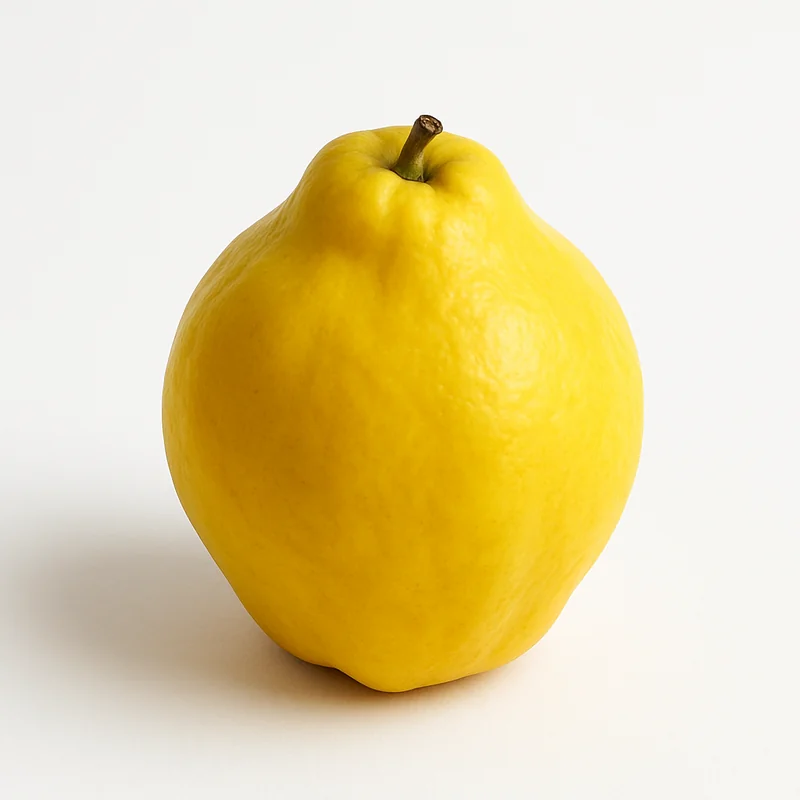
Quince
ScoreB
Quince is a hard, astringent fruit rich in soluble fiber and polyphenols, traditionally cooked to enhance digestibility and nutrient bioavailability. Its low glycemic load and high pectin content make it valuable for gut health and metabolic regulation.
Why Quince scores 73
% Daily Value per 1 medium (140 g)
Nutrition
per 100 g
Health benefits
Enhanced gut microbiome diversity and short-chain fatty acid production
moderate evidenceQuince's high pectin content acts as a prebiotic, selectively feeding beneficial bacteria like Faecalibacterium prausnitzii and Roseburia species, which produce butyrate—a key metabolite for colonocyte health and systemic inflammation reduction
Improved insulin sensitivity and blood glucose regulation
moderate evidenceSoluble fiber and polyphenols slow gastric emptying and carbohydrate absorption, reducing postprandial glucose spikes; chlorogenic acid inhibits glucose-6-phosphatase activity in hepatocytes
Antioxidant and anti-inflammatory protection
moderate evidenceCatechins and chlorogenic acid neutralize free radicals and suppress pro-inflammatory cytokine production (TNF-α, IL-6), particularly after thermal processing which increases polyphenol extractability
Cardiovascular support through potassium-mediated vasodilation
strong evidencePotassium content (197 mg/100g) activates Na+/K+-ATPase pumps, reducing vascular smooth muscle tone and supporting endothelial function; fiber reduces LDL cholesterol via bile acid sequestration
Reduced intestinal inflammation and improved barrier function
emerging evidencePectin-derived butyrate strengthens tight junctions through histone deacetylase inhibition; polyphenols suppress pathogenic bacteria overgrowth and reduce lipopolysaccharide translocation
Pairs well with
- ·Pair with Ceylon cinnamon because cinnamaldehyde enhances polyphenol absorption and provides synergistic anti-inflammatory effects; both support glucose regulation
- ·Combine with walnuts or almonds because their omega-3 content and vitamin E complement quince's polyphenols, creating enhanced antioxidant defense and supporting cardiovascular health
- ·Pair with ginger in poached preparations because gingerol compounds amplify anti-inflammatory effects and improve digestive efficiency of the high-fiber content
- ·Combine with Greek yogurt as a topping because probiotics and casein protein synergize with quince's prebiotic fiber, optimizing microbiome benefits and providing sustained satiety
Practical tips
- ·Best timing: midday
- ·Cook quince rather than eat raw to dramatically increase polyphenol bioavailability and reduce astringency; poaching, stewing, or making paste preserves nutrients while improving digestibility
- ·Prepare quince paste (membrillo) to concentrate pectin and polyphenols while creating a shelf-stable product that maintains nutritional value for months; use 1-2 oz servings as a functional dessert or condiment
- ·Select firm, fragrant quinces with thin skin and no soft spots; store at room temperature for ripening (3-7 days) then refrigerate for up to 2 months to preserve micronutrient content
- ·Combine quince skins with flesh during cooking rather than peeling, as the skin concentrates phenolic compounds and contributes significantly to total antioxidant capacity
- ·Consume cooked quince with a fat source (oil, nuts, or yogurt) to enhance absorption of fat-soluble compounds and slow carbohydrate absorption, optimizing metabolic benefits
Related foods
What is Quince actually covering?
See which nutrients your diet already delivers and which ones your supplements still need to — food and pills measured on the same scale.
Check my nutrients2 questions · free · no account needed to start
Also on iPhone — get the free app
Evidence-based supplement guides, no spam
We send a short digest when new guides drop — nothing else. No affiliate pushes, no sponsored content, unsubscribe anytime.