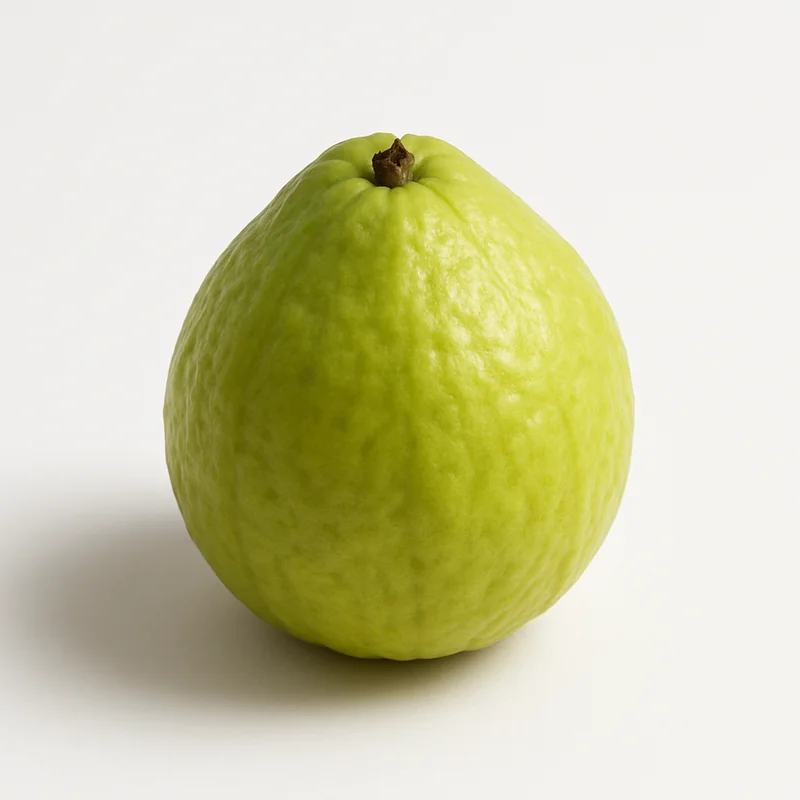
Guava
ScoreA+
Guava is a tropical fruit exceptionally rich in vitamin C (228mg per 100g) and dietary fiber (5.4g), making it one of the most nutrient-dense fruits for immune support and digestive health.
Why Guava scores 97
% Daily Value per 1 medium (140 g)
Nutrition
per 100 g
Health benefits
Enhanced immune function and collagen synthesis
strong evidenceExceptional vitamin C content (228mg/100g) supports neutrophil function, antibody production, and cross-linking of collagen in connective tissue
Improved glycemic control and insulin sensitivity
moderate evidenceHigh fiber content (5.4g/100g) slows glucose absorption; polyphenols like quercetin enhance insulin signaling pathways
Cardiovascular health and blood pressure regulation
moderate evidencePotassium (417mg/100g) supports vasodilation and sodium-potassium pump function; polyphenols reduce endothelial dysfunction
Antioxidant defense and reduced oxidative stress
moderate evidenceLycopene, quercetin, and catechin scavenge free radicals and upregulate endogenous antioxidant enzymes
Digestive health and prebiotic support
moderate evidenceSoluble fiber (pectin) feeds beneficial gut bacteria; traditional use supported by improved stool consistency in clinical observation
Pairs well with
- ·Pair with black pepper because piperine enhances absorption of polyphenols like lycopene
- ·Combine with healthy fats (avocado, nuts) because lipophilic antioxidants including lycopene require fat for absorption
- ·Pair with fermented foods (yogurt, kefir) because fiber acts prebiotic to support probiotic colonization and short-chain fatty acid production
- ·Combine with leafy greens because guava's vitamin C enhances non-heme iron bioavailability from plant sources
Practical tips
- ·Best timing: Guava's low glycemic index, high fiber, and modest calories make it suitable across the day; vitamin C absorption is independent of meal timing
- ·Select guavas that yield slightly to gentle pressure and have a sweet aroma; firm fruits indicate underdevelopment
- ·Consume skin and seeds for maximum fiber and polyphenol intake—they're edible and nutrient-dense
- ·Store ripe guavas in a cool place for 2-3 days or refrigerate for up to 10 days; ethylene sensitivity means separate from ethylene-producing fruits
- ·Blend whole guava (skin intact) into smoothies rather than juicing to retain fiber content and prevent nutrient loss
Related foods
What is Guava actually covering?
See which nutrients your diet already delivers and which ones your supplements still need to — food and pills measured on the same scale.
Check my nutrients2 questions · free · no account needed to start
Also on iPhone — get the free app
Evidence-based supplement guides, no spam
We send a short digest when new guides drop — nothing else. No affiliate pushes, no sponsored content, unsubscribe anytime.