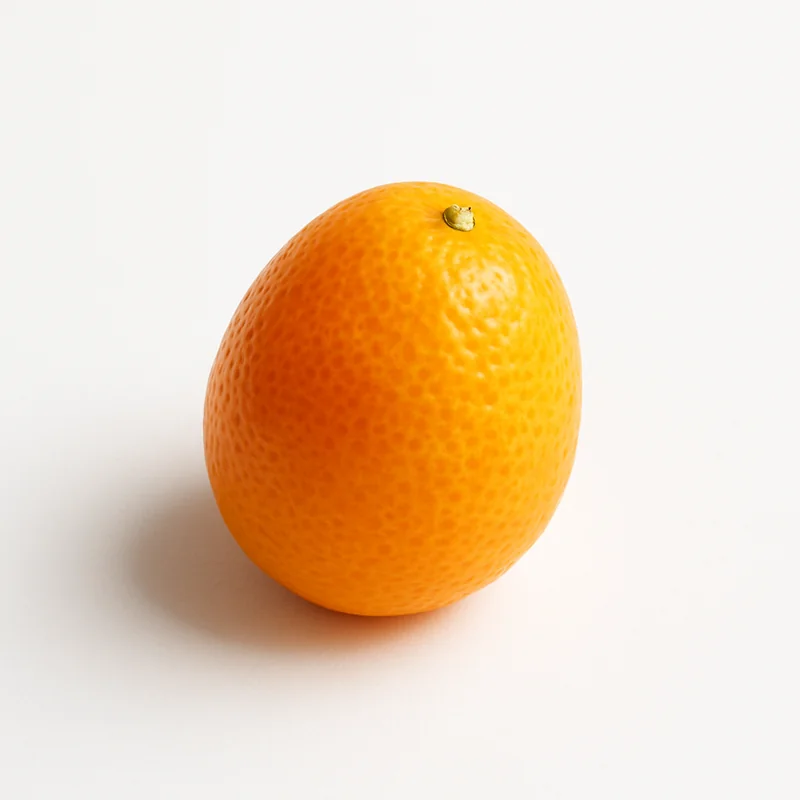
Kumquat
ScoreA+
Kumquats are small citrus fruits with edible sweet skin and tart flesh, delivering high vitamin C and fiber with minimal calories. They are nutrient-dense whole fruits ideal for supporting immune function and digestive health.
Why Kumquat scores 95
% Daily Value per 1 medium (140 g)
Nutrition
per 100 g
Health benefits
Enhanced immune function and collagen synthesis
strong evidenceHigh vitamin C content (43.9 mg/100g) acts as a cofactor for prolyl hydroxylase, stabilizing collagen triple helix formation and supporting neutrophil function in immune response
Reduced oxidative stress and systemic inflammation
moderate evidenceFlavonoids (hesperidin, polymethoxylated flavonoids) in kumquat skin inhibit NF-κB signaling and upregulate endogenous antioxidant enzymes like superoxide dismutase
Improved digestive health and microbiota diversity
moderate evidence6.5g fiber per 100g feeds beneficial bacteria and increases short-chain fatty acid production, supporting intestinal barrier integrity and reducing pathogenic bloom
Cardiovascular regulation through potassium
strong evidence186 mg potassium activates Na+/K+-ATPase, regulating vascular tone, reducing blood pressure, and supporting electrolyte balance
Potential antimicrobial and neuroprotective activity
emerging evidenceLimonene and other monoterpenes in kumquat essential oil demonstrate broad-spectrum antimicrobial effects and preliminary evidence of modulating neuroinflammation markers
Pairs well with
- ·Pair with fatty fish (salmon, sardines) because vitamin C enhances non-heme iron absorption from fish and supports collagen cross-linking with omega-3 EPA/DHA
- ·Combine with nuts (almonds, walnuts) because fat-soluble flavonoid absorption is enhanced by dietary lipids, increasing bioavailability of hesperidin and polymethoxylated flavonoids
- ·Mix with leafy greens (spinach, arugula) in salads because kumquat's acidity (citric acid) helps solubilize calcium and magnesium, improving mineral bioavailability
- ·Pair with turmeric or ginger because combined polyphenols (curcumin, gingerol, flavonoids) synergistically inhibit inflammatory pathways through complementary mechanisms
Practical tips
- ·Best timing: midday
- ·Eat kumquats whole (skin and flesh) since the peel contains 3-4x higher flavonoid concentrations than the flesh; washing thoroughly removes pesticide residue
- ·Select firm, glossy kumquats without soft spots; store at room temperature for 3-5 days or refrigerate up to 2 weeks in a breathable container to maintain volatile oil content
- ·Add kumquats to morning tea or warm water to preserve heat-sensitive vitamin C; alternatively, blend into smoothies with fat source for enhanced flavonoid absorption
- ·Consume 4-6 kumquats (approximately 80-120g) as a snack or dessert to achieve meaningful nutrient dose while keeping calories low and supporting satiety
- ·For those with sensitive teeth or reflux, consume kumquats with meals rather than on empty stomach to buffer citric acid exposure
Related foods
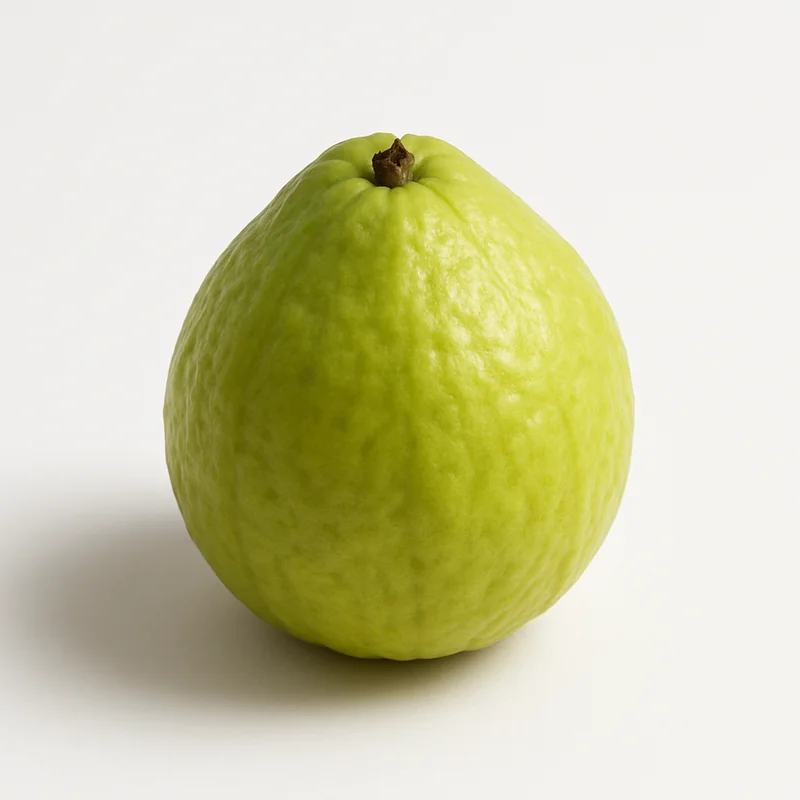
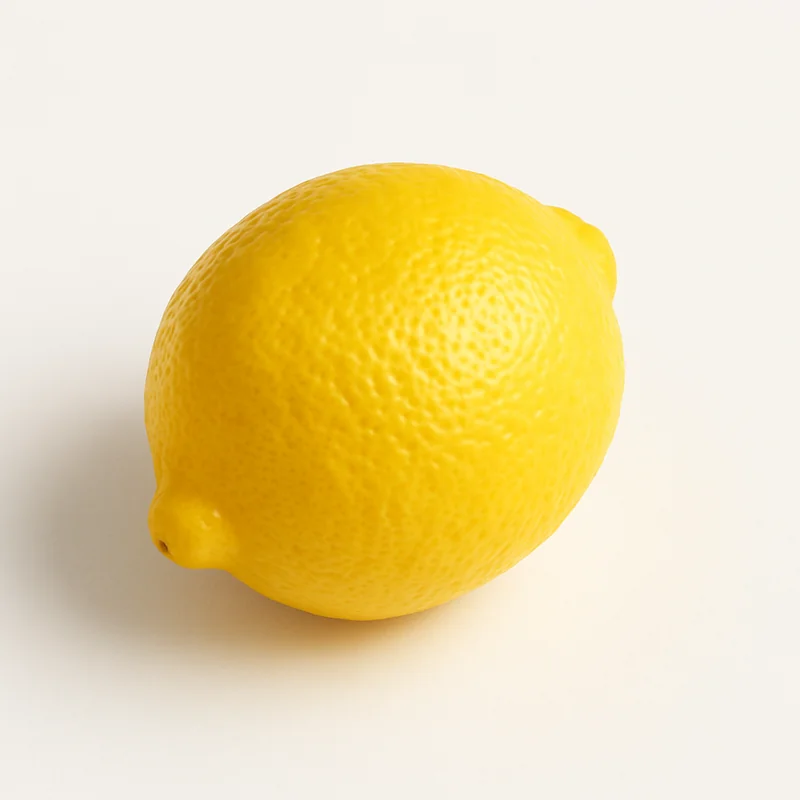
What is Kumquat actually covering?
See which nutrients your diet already delivers and which ones your supplements still need to — food and pills measured on the same scale.
Check my nutrients2 questions · free · no account needed to start
Also on iPhone — get the free app
Evidence-based supplement guides, no spam
We send a short digest when new guides drop — nothing else. No affiliate pushes, no sponsored content, unsubscribe anytime.