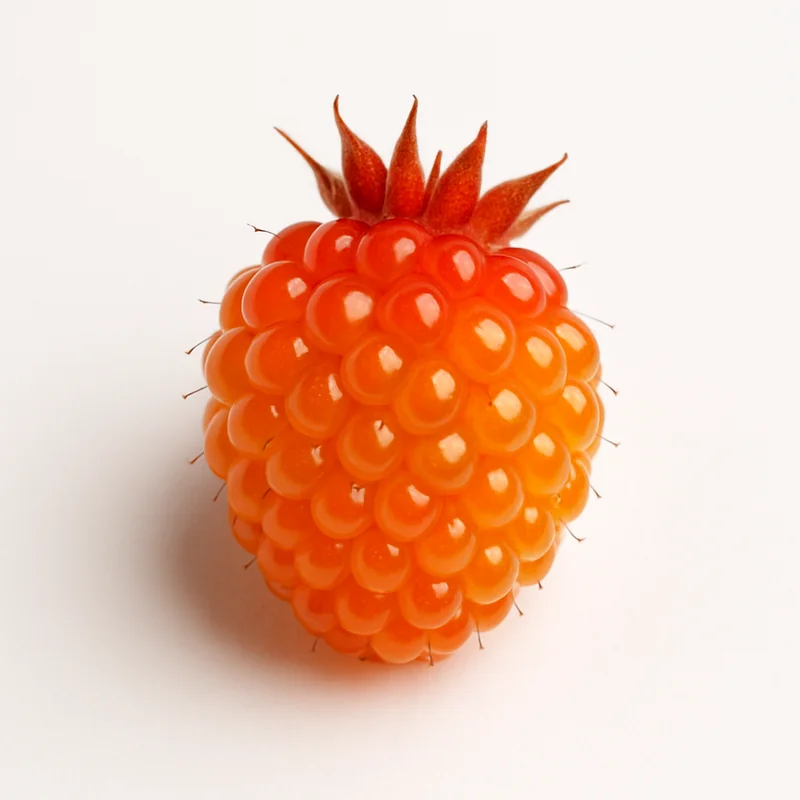
Salmonberries
ScoreA+
Salmonberries are golden-orange to deep red berries native to the Pacific Northwest, offering low-calorie nutrition with notable vitamin E content and fiber for digestive health.
Why Salmonberries scores 94
% Daily Value per 1 medium (140 g)
Nutrition
per 100 g
Health benefits
Enhanced antioxidant defense through high vitamin E content
strong evidenceVitamin E functions as a lipophilic antioxidant protecting cell membranes from oxidative damage and supporting mitochondrial health, key mechanisms in cellular longevity
Reduced inflammatory markers via polyphenolic compounds
moderate evidenceAnthocyanins and ellagic acid in salmonberries activate nuclear factor erythroid 2-related factor 2 (Nrf2) pathway, upregulating endogenous antioxidant enzymes and reducing systemic inflammation
Improved gut microbiome diversity and prebiotic effects
moderate evidenceDietary fiber and polyphenols serve as prebiotic substrates, promoting growth of beneficial bacterial taxa associated with metabolic health and immune function
Blood pressure regulation through potassium content
strong evidencePotassium counteracts sodium and supports endothelial function, reducing arterial stiffness and supporting healthy blood pressure regulation
Cellular protection against age-related DNA damage
emerging evidenceEllagic acid and other polyphenols demonstrate DNA-protective properties in vitro and may support genomic stability through radical scavenging and repair pathway upregulation
Pairs well with
- ·Pair with almonds or walnuts because the fat content increases absorption of fat-soluble vitamin E, enhancing antioxidant bioavailability
- ·Combine with Greek yogurt or kefir because the probiotics synergize with salmonberry polyphenols to enhance prebiotic effects and gut microbiome diversity
- ·Pair with dark leafy greens (spinach, kale) because complementary polyphenol profiles create additive anti-inflammatory effects and vitamin K synergy
- ·Combine with black tea or green tea because catechins in tea enhance polyphenol absorption and create synergistic antioxidant effects
Practical tips
- ·Best timing: morning
- ·Purchase frozen salmonberries within 24 hours of harvest when possible, as polyphenol content is highest immediately post-harvest; frozen berries retain bioactive compounds better than commercial transport of fresh berries
- ·Store fresh salmonberries in the refrigerator in a breathable container (not plastic bags) to maintain vitamin E and polyphenol integrity; consume within 2-3 days of purchase
- ·Incorporate into breakfast bowls with nuts and seeds rather than cooking, as heat exposure above 60°C can degrade heat-sensitive polyphenolic compounds
- ·Source from local farmers' markets during July-August peak season to maximize freshness and polyphenol concentration compared to commercially stored berries
- ·Consume salmonberries with a source of dietary fat (nuts, seeds, or oils) to optimize absorption of vitamin E and fat-soluble phytochemicals
Related foods



What is Salmonberries actually covering?
See which nutrients your diet already delivers and which ones your supplements still need to — food and pills measured on the same scale.
Check my nutrients2 questions · free · no account needed to start
Also on iPhone — get the free app
Evidence-based supplement guides, no spam
We send a short digest when new guides drop — nothing else. No affiliate pushes, no sponsored content, unsubscribe anytime.