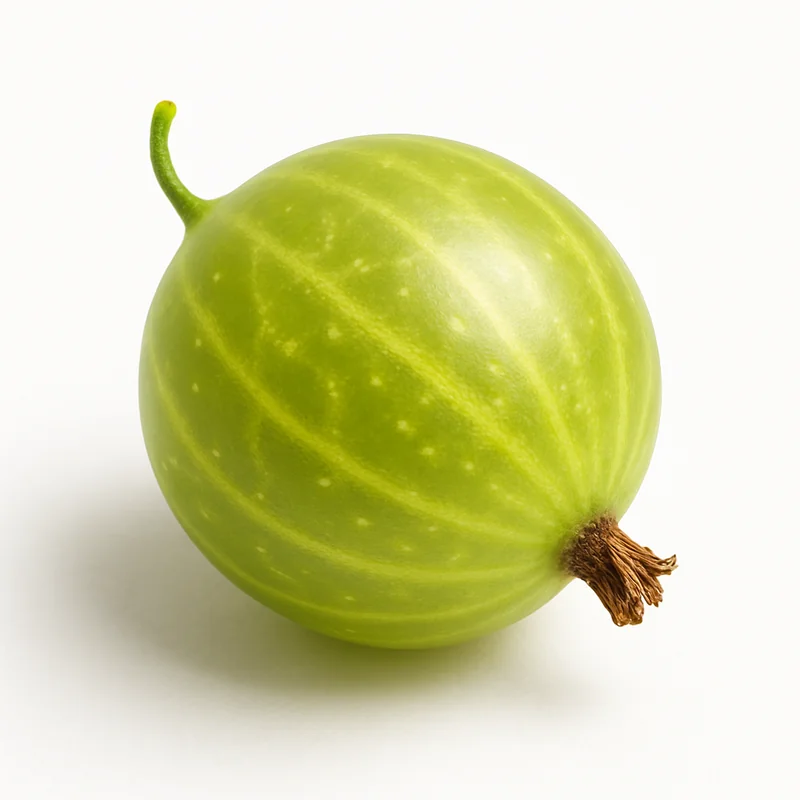
Gooseberries
ScoreA+
Gooseberries are tart, nutrient-dense berries exceptionally high in vitamin C and fiber, supporting immune function and digestive health with minimal calories.
Why Gooseberries scores 93
% Daily Value per 1 medium (140 g)
Nutrition
per 100 g
Health benefits
Supports immune function and collagen synthesis
strong evidenceHigh vitamin C content (27.7mg/100g) acts as a cofactor for immune cell function and cross-links collagen fibers, strengthening connective tissue and reducing age-related degradation
Promotes digestive health and metabolic regularity
strong evidenceExceptional fiber content (4.3g/100g) feeds beneficial gut microbiota, increases short-chain fatty acid production, and supports intestinal barrier integrity linked to healthy aging
Reduces oxidative stress and systemic inflammation
moderate evidencePolyphenols and tannins present in gooseberries neutralize free radicals and modulate NF-kB inflammatory pathways, protecting cellular DNA and reducing aging acceleration
Supports cardiovascular and bone health
moderate evidencePotassium (198mg/100g) maintains vascular elasticity and healthy blood pressure; vitamin C and polyphenols strengthen bone matrix mineralization and reduce fracture risk
Supports blood sugar regulation and metabolic flexibility
moderate evidenceLow glycemic index combined with high fiber delays glucose absorption, reducing insulin spikes and supporting healthy mitochondrial function in aging
Pairs well with
- ·Pair with fatty fish (salmon, mackerel) because vitamin C enhances absorption of omega-3 fatty acids and reduces oxidation of marine lipids in the digestive tract
- ·Combine with nuts (almonds, walnuts) because fiber slows lipid digestion, improving nutrient absorption and creating sustained energy release while vitamin E from nuts is protected from oxidation by gooseberry polyphenols
- ·Mix with plain Greek yogurt because probiotics and gooseberry polyphenols work synergistically to enhance gut microbiota diversity and short-chain fatty acid production
- ·Pair with ginger or turmeric because both gooseberry polyphenols and ginger's gingerols activate similar anti-inflammatory pathways, creating an amplified reduction in systemic inflammation
Practical tips
- ·Best timing: Gooseberries' low glycemic profile, high fiber content, and lack of stimulating compounds make them suitable throughout the day; their vitamin C supports morning immune function, while evening consumption aids overnight repair processes without disrupting sleep
- ·Select firm gooseberries with intact skin, avoiding soft or wrinkled specimens; green gooseberries contain higher polyphenol concentrations than fully ripe versions, offering enhanced antioxidant benefits
- ·Store fresh gooseberries in refrigerator drawers for up to 3 weeks in sealed containers to preserve vitamin C and polyphenol content; freeze whole for long-term storage (up to 12 months) with minimal nutrient loss
- ·Consume fresh gooseberries raw when possible to maximize heat-sensitive vitamin C; if cooking, use low temperatures under 10 minutes to retain fiber-associated compounds and bioactive polyphenols
- ·Add 1/4 to 1/2 cup fresh gooseberries to smoothies with leafy greens to amplify fiber intake and create a complete micronutrient profile supporting sustained energy and satiety
Related foods



What is Gooseberries actually covering?
See which nutrients your diet already delivers and which ones your supplements still need to — food and pills measured on the same scale.
Check my nutrients2 questions · free · no account needed to start
Also on iPhone — get the free app
Evidence-based supplement guides, no spam
We send a short digest when new guides drop — nothing else. No affiliate pushes, no sponsored content, unsubscribe anytime.