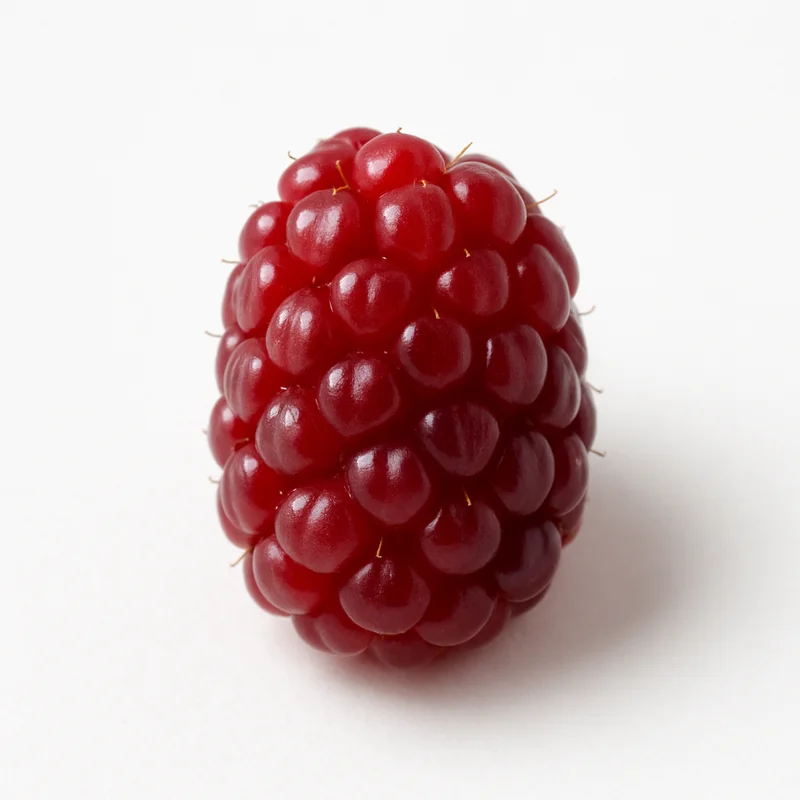
Loganberries
ScoreA+
Loganberries are a tart hybrid berry combining blackberry and raspberry genetics, rich in fiber, polyphenols, and vitamin C with exceptional antioxidant density.
Why Loganberries scores 95
% Daily Value per 1 medium (140 g)
Nutrition
per 100 g
Health benefits
Enhanced antioxidant defense and reduced oxidative stress
moderate evidenceAnthocyanins and ellagic acid neutralize free radicals and upregulate endogenous antioxidant enzymes, protecting cellular integrity and slowing age-related damage
Improved cardiovascular health and endothelial function
moderate evidencePolyphenols enhance nitric oxide bioavailability, improving arterial flexibility and blood flow while reducing LDL oxidation and platelet aggregation
Optimized digestive health and metabolic resilience
strong evidenceHigh fiber content (5.3g/100g) feeds beneficial microbiota, producing short-chain fatty acids that stabilize blood glucose, support intestinal barrier integrity, and reduce systemic inflammation
Neuroprotection and cognitive aging support
emerging evidenceAnthocyanins cross the blood-brain barrier, reducing neuroinflammation and supporting synaptic plasticity while protecting against age-related cognitive decline
Bone health and mineral homeostasis
moderate evidenceManganese (1.247mg) serves as cofactor for collagen cross-linking and osteoblast function; vitamin K (7.8mcg) supports osteocalcin carboxylation for bone mineralization
Pairs well with
- ·Pair with Greek yogurt (or kefir) because casein protein slows polyphenol transit and enhances GALT (gut-associated lymphoid tissue) priming, while probiotics synergize with berry fiber for microbiota composition shifts
- ·Combine with nuts (almonds, walnuts) because their magnesium and vitamin E synergize with loganberry polyphenols to amplify antioxidant signaling and support lipid peroxidation defense
- ·Mix with dark leafy greens (spinach, kale) because both are rich in polyphenols and their complementary phytochemical profiles create additive anti-inflammatory effects while improving iron bioavailability through synergistic absorption mechanisms
- ·Pair with green tea because catechins and anthocyanins work synergistically to enhance mitochondrial biogenesis and upregulate antioxidant gene expression more effectively than either compound alone
Practical tips
- ·Best timing: midday
- ·Select firm berries with deep burgundy color and no soft spots; avoid pre-packaged berries stored longer than 3-4 days, as polyphenol content degrades rapidly post-harvest
- ·Store fresh loganberries in shallow containers at 32-34°F (0-1°C) for up to 5 days; freeze on trays then transfer to vacuum-sealed bags to preserve anthocyanin content for up to 12 months
- ·Consume loganberries within 2 hours of removing from cold storage to maximize vitamin C retention and minimize oxidative degradation of heat-sensitive polyphenols
- ·Blend into smoothies with the seeds intact rather than juicing to preserve insoluble fiber and avoid rapid glucose spikes; whole-fruit consumption increases satiety and metabolic stability
- ·If fresh berries are unavailable, frozen varieties retain 90%+ of polyphenol content and offer year-round access; avoid processed jams due to high added sugars that negate fiber benefits
Related foods


What is Loganberries actually covering?
See which nutrients your diet already delivers and which ones your supplements still need to — food and pills measured on the same scale.
Check my nutrients2 questions · free · no account needed to start
Also on iPhone — get the free app
Evidence-based supplement guides, no spam
We send a short digest when new guides drop — nothing else. No affiliate pushes, no sponsored content, unsubscribe anytime.