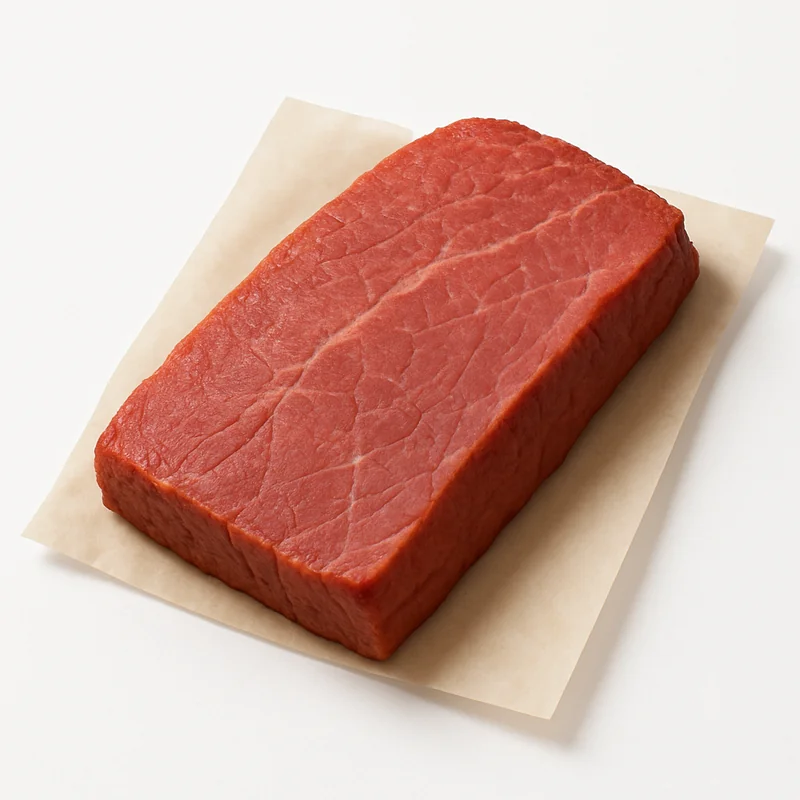
Pastrami
ScoreA
Pastrami is a cured and smoked beef brisket known for its savory flavor and high protein content, making it a nutrient-dense processed meat option. However, its high sodium content requires moderation in a longevity-focused diet.
Why Pastrami scores 75
% Daily Value per 3 oz (85 g)
Nutrition
per 100 g
Health benefits
Supports muscle maintenance and protein synthesis in aging adults
strong evidenceHigh-quality complete protein (16.3g per 100g) provides all essential amino acids, particularly leucine, which activates mTOR pathway critical for preserving lean mass during aging
Provides bioavailable selenium for antioxidant defense and thyroid function
strong evidenceHeme-protein matrix enhances selenium absorption; selenoproteins function as glutathione peroxidase and thioredoxin reductase, protecting cells from oxidative stress
Supplies choline for cognitive and hepatic health
moderate evidenceCholine (66.7 mg) serves as precursor for acetylcholine neurotransmitter and phosphatidylcholine, supporting neuroplasticity and liver methylation cycles
May increase colorectal cancer risk with frequent consumption due to processed meat classification
strong evidenceNitrites/nitrates and heterocyclic amines (HCAs) from curing and smoking generate N-nitroso compounds and oxidative damage in colonic epithelium
High sodium content elevates hypertension and cardiovascular disease risk
strong evidenceExcessive sodium impairs endothelial function, increases arterial stiffness, and disrupts fluid-electrolyte balance, promoting atherosclerosis progression
Pairs well with
- ·Pair with cruciferous vegetables (sauerkraut, broccoli) because sulforaphane and indoles induce Phase 2 detoxification enzymes that neutralize carcinogenic HCAs and nitrosamines
- ·Combine with tomato-based dishes because lycopene and vitamin C reduce N-nitrosamine formation by competing with nitrite reactivity in the stomach
- ·Serve with leafy greens (spinach, arugula) because their polyphenols (quercetin, kaempferol) enhance antioxidant capacity to counteract oxidative stress from processed meat compounds
- ·Pair with fermented foods (kimchi, tempeh) because probiotics improve gut barrier integrity and reduce mutagenic compound absorption in the colon
- ·Combine with citrus (lemon juice, orange) because vitamin C blocks nitrite-to-nitrosamine conversion and enhances non-heme iron absorption from any plant foods consumed simultaneously
Practical tips
- ·Best timing: midday
- ·Limit pastrami to 1-2 servings monthly (1-2 oz portions) rather than weekly consumption to minimize cumulative carcinogenic compound exposure while preserving protein benefits
- ·Choose pastrami lower in sodium when available (target <800 mg per 100g); rinse surface briefly before cooking to reduce excess salt without significantly impacting flavor
- ·Pair every serving with 2+ cups of antioxidant-rich vegetables (cruciferous, leafy greens, tomatoes) to enhance detoxification capacity via upregulation of Phase 2 enzymes
- ·Store opened pastrami in airtight containers at 32-36°F for maximum 5-7 days; mold and bacterial growth produce additional carcinogens (aflatoxins) in extended storage
- ·Consume as midday lunch rather than dinner to allow 8+ hours before sleep, enabling cortisol-dependent upregulation of repair pathways before nighttime anabolic state
Related foods
What is Pastrami actually covering?
See which nutrients your diet already delivers and which ones your supplements still need to — food and pills measured on the same scale.
Check my nutrients2 questions · free · no account needed to start
Also on iPhone — get the free app
Evidence-based supplement guides, no spam
We send a short digest when new guides drop — nothing else. No affiliate pushes, no sponsored content, unsubscribe anytime.