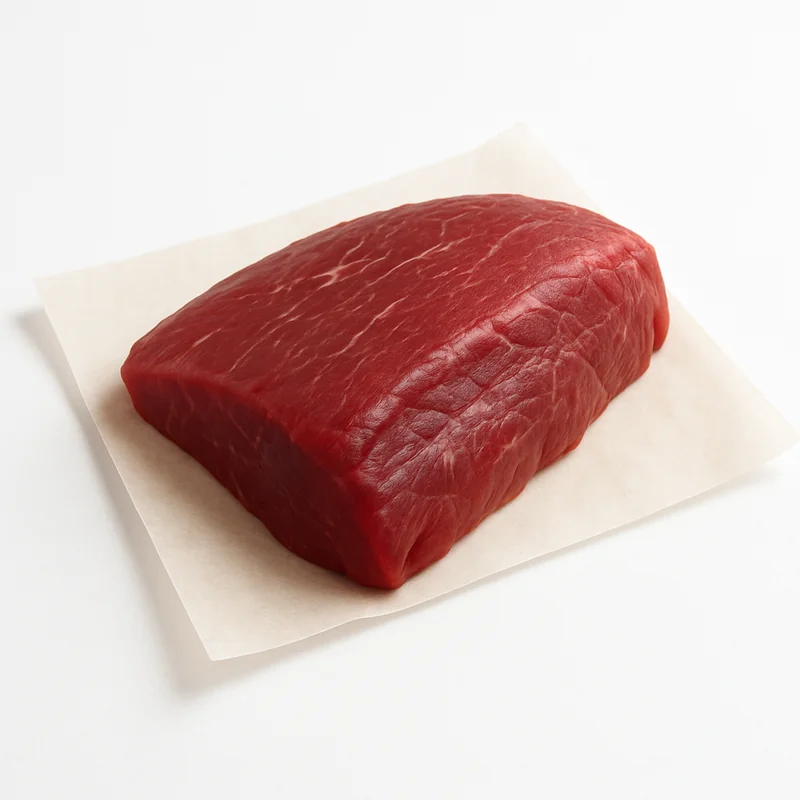
Bison
ScoreA
Bison is a lean red meat with exceptionally high protein content and significantly lower fat than beef, making it a nutrient-dense choice for supporting muscle maintenance and metabolic health.
Why Bison scores 81
% Daily Value per 3 oz (85 g)
Nutrition
per 100 g
Health benefits
Supports lean muscle mass maintenance and metabolic health
strong evidenceHigh-quality complete protein (25.45g per 100g) provides all essential amino acids, particularly leucine, which activates mTOR pathways critical for muscle protein synthesis and counteracting age-related sarcopenia
Reduces cardiovascular disease risk compared to conventional beef
moderate evidenceLower saturated fat (3.5g vs 8g in beef per 100g) and cholesterol (71mg vs 86mg) reduces atherogenic lipoprotein burden, while higher potassium supports vasodilation and blood pressure regulation
Enhances antioxidant defense and supports thyroid function
strong evidenceHigh selenium content (31.1 mcg, exceeding 50% daily value) is incorporated into selenoproteins including glutathione peroxidase and thioredoxin reductase, critical for oxidative stress mitigation
Supports cognitive health and cellular methylation
moderate evidenceCholine (97.2mg) serves as precursor for acetylcholine (cognitive function) and phosphatidylcholine (membrane integrity), while supporting one-carbon metabolism essential for DNA methylation patterns
Reduces systemic inflammation through favorable lipid profile
moderate evidenceConjugated linoleic acid (CLA) and superior omega-3:omega-6 ratio modulate immune tolerance and reduce pro-inflammatory cytokine production compared to grain-fed beef
Pairs well with
- ·Pair with leafy greens (spinach, kale) because their high vitamin K content supports bone mineralization alongside bison's phosphorus and magnesium, critical for skeletal integrity in aging
- ·Combine with tomato-based sauces because lycopene enhances non-heme iron absorption and synergizes with bison's selenium for comprehensive antioxidant coverage
- ·Serve with garlic and onions because their organosulfur compounds amplify bison's anti-inflammatory effects and support detoxification enzyme systems
- ·Pair with cruciferous vegetables (broccoli, Brussels sprouts) because their glucosinolates activate phase II detoxification enzymes that work synergistically with bison's micronutrient cofactors
Practical tips
- ·Best timing: midday
- ·Select grass-fed or pasture-raised bison when available, as grass feeding increases CLA content and omega-3 fatty acids compared to grain-finished meat
- ·Cook bison at lower temperatures (medium-rare to medium) to preserve heat-sensitive B vitamins (particularly niacin) and minimize formation of advanced glycation end products (AGEs)
- ·Store frozen bison in airtight vacuum-sealed packages to prevent oxidative rancidity of polyunsaturated fats; use within 3-4 months for optimal nutrient retention
- ·Incorporate ground bison into Mediterranean-style meals rather than high-heat searing, which can degrade choline bioavailability
Related foods
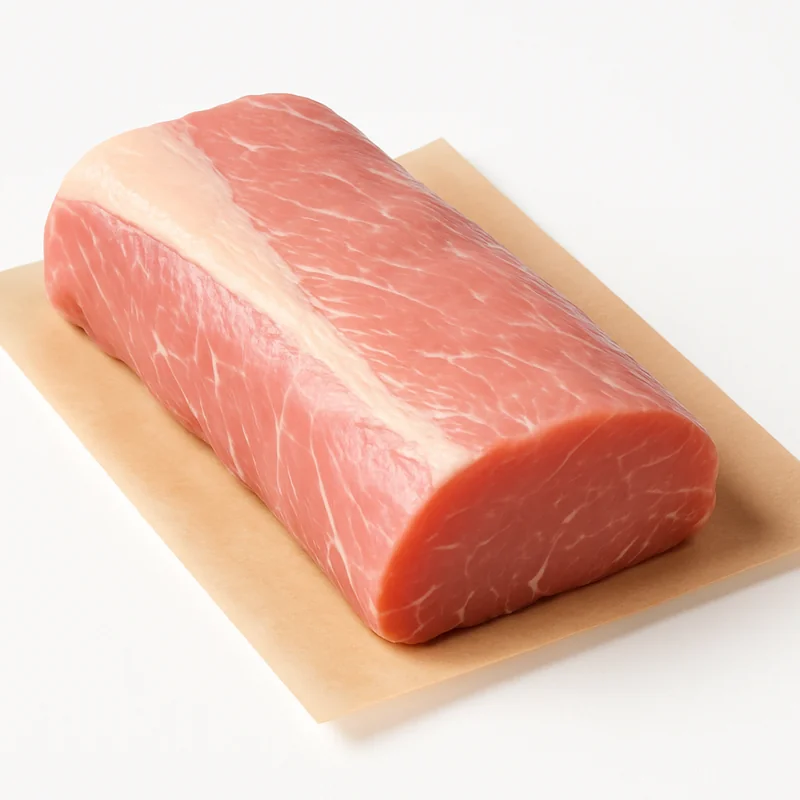
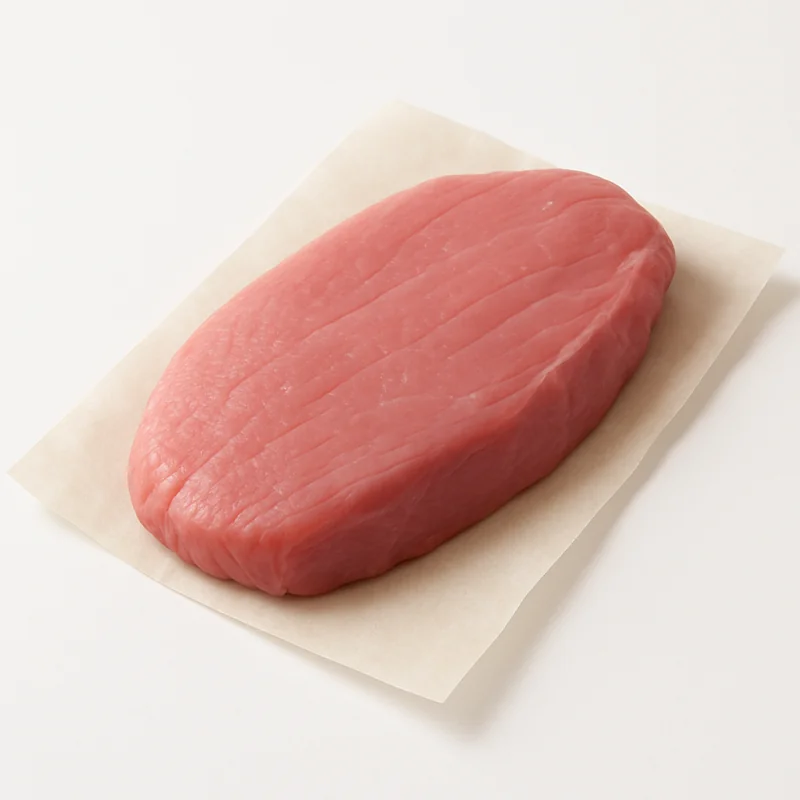
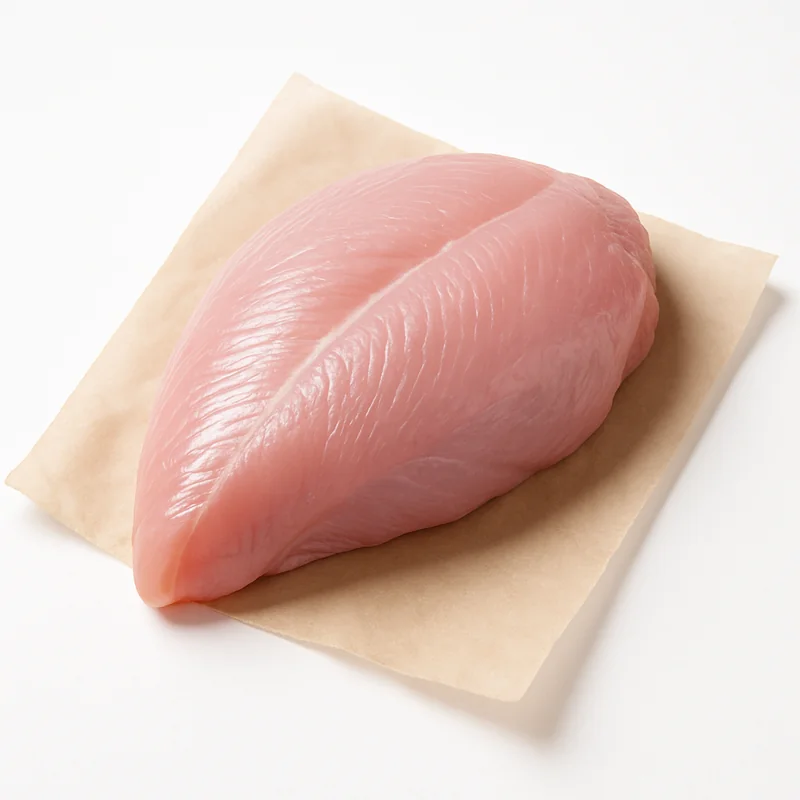
What is Bison actually covering?
See which nutrients your diet already delivers and which ones your supplements still need to — food and pills measured on the same scale.
Check my nutrients2 questions · free · no account needed to start
Also on iPhone — get the free app
Evidence-based supplement guides, no spam
We send a short digest when new guides drop — nothing else. No affiliate pushes, no sponsored content, unsubscribe anytime.