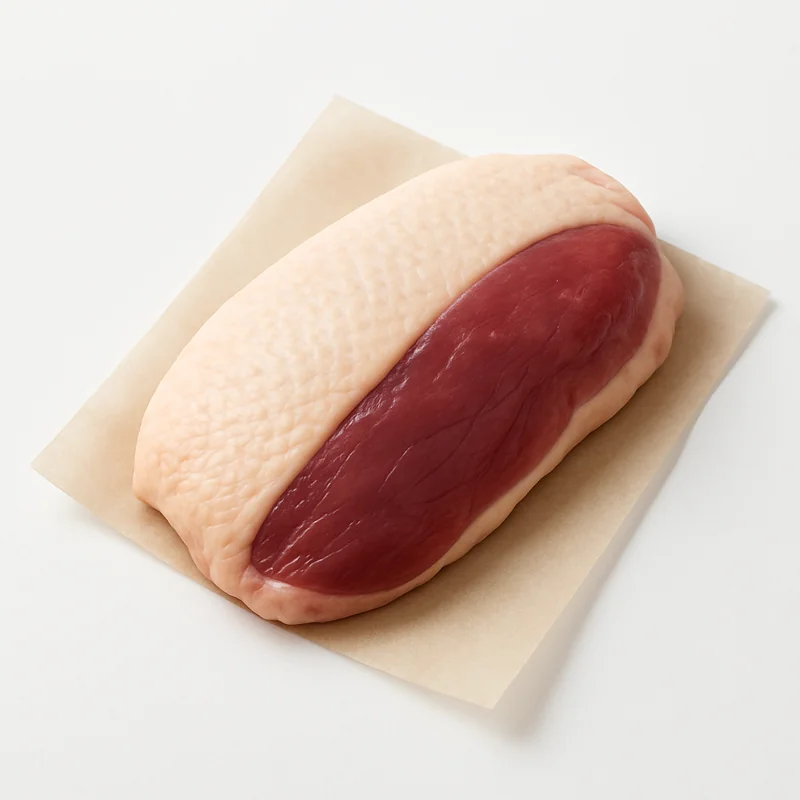
Goose
ScoreA
Goose is a nutrient-dense poultry rich in high-quality protein, selenium, and B vitamins, with a favorable micronutrient profile for supporting metabolic health and longevity.
Why Goose scores 81
% Daily Value per 3 oz (85 g)
Nutrition
per 100 g
Health benefits
Supports antioxidant defense and cellular protection
strong evidenceHigh selenium content (16.8 mcg/100g) serves as a cofactor for glutathione peroxidase, the body's primary intracellular antioxidant enzyme, protecting cells from oxidative damage and reducing inflammation markers
Preserves lean muscle mass with aging
strong evidenceComplete protein profile (22.75g/100g) provides all nine essential amino acids, particularly leucine, which activates mTOR signaling for muscle protein synthesis and prevents age-related sarcopenia
Supports cardiovascular and bone mineral health
moderate evidencePotassium (420mg) promotes vasodilation and sodium-potassium balance; phosphorus (312mg) and magnesium (24mg) regulate calcium homeostasis critical for bone density and arterial elasticity
Enhances energy metabolism and cognitive function
moderate evidenceRich in niacin (B3) and pyridoxine (B6), which are essential cofactors in NAD+ metabolism and neurotransmitter synthesis, supporting mitochondrial efficiency and brain health
Provides heme iron for oxygen transport and energy
strong evidenceGoose meat contains highly bioavailable heme iron, which supports hemoglobin synthesis and mitochondrial cytochrome c oxidase, enhancing aerobic capacity and cognitive perfusion
Pairs well with
- ·Pair with cruciferous vegetables (broccoli, kale) because sulforaphane and selenium work synergistically to enhance Phase II detoxification enzyme expression and antioxidant capacity
- ·Combine with vitamin C-rich foods (citrus, bell peppers) because ascorbic acid enhances non-heme iron absorption and iron bioavailability from the complete protein matrix
- ·Pair with mushrooms (especially shiitake) because ergothioneine in mushrooms complements goose selenium to reinforce cellular antioxidant defenses and immune function
- ·Serve with sweet potato or legumes because their polyphenol and fiber content slows protein digestion, prolonging amino acid availability and reducing postprandial glucose spikes
- ·Combine with dark leafy greens (spinach, arugula) because their K vitamins work with goose phosphorus to support bone mineralization and vascular calcification prevention
Practical tips
- ·Best timing: midday
- ·Choose goose with firm, unblemished skin and no off-odors; store at 32-36°F for up to 3 days raw, or freeze at 0°F for up to 4 months to preserve selenium stability and nutrient density
- ·Trim visible fat before cooking to reduce saturated fat intake while retaining the nutrient-rich muscle tissue; roasting at moderate heat (325-350°F) prevents selenium loss through oxidation
- ·Prepare goose using moist-heat methods (braising, stewing) rather than high-heat frying to minimize formation of advanced glycation end products (AGEs) that promote inflammation and aging
- ·Consume 3-4 ounces (85-113g) per serving as a complete protein portion, equivalent to approximately 20-25g protein—optimal for muscle protein synthesis signaling in adults over 50
- ·Source grass-fed or pasture-raised goose when possible, as these tend to have higher omega-3 content and lower inflammatory omega-6 ratios compared to grain-fed varieties
Related foods
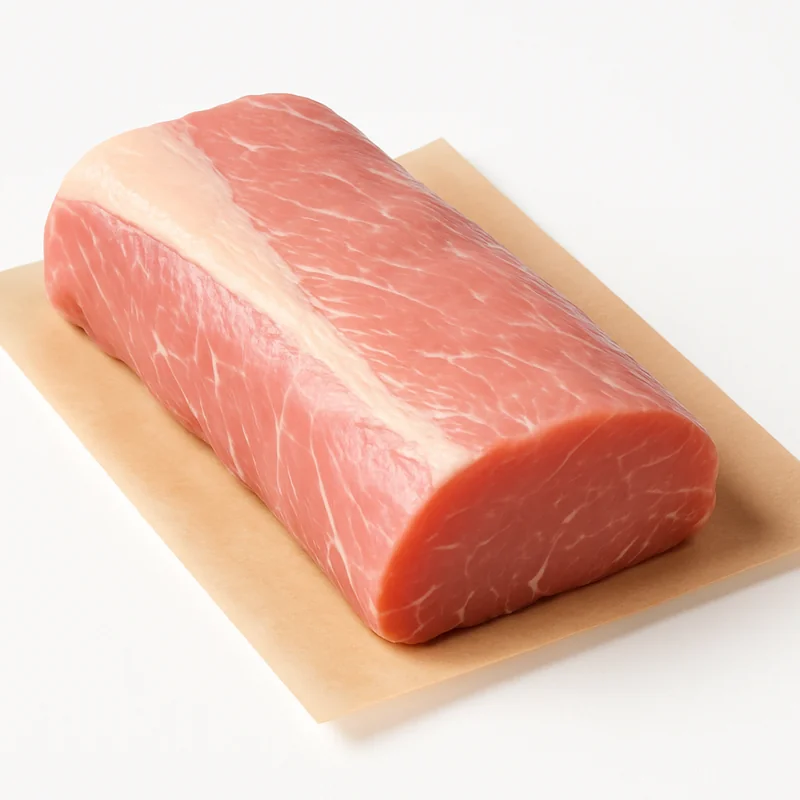
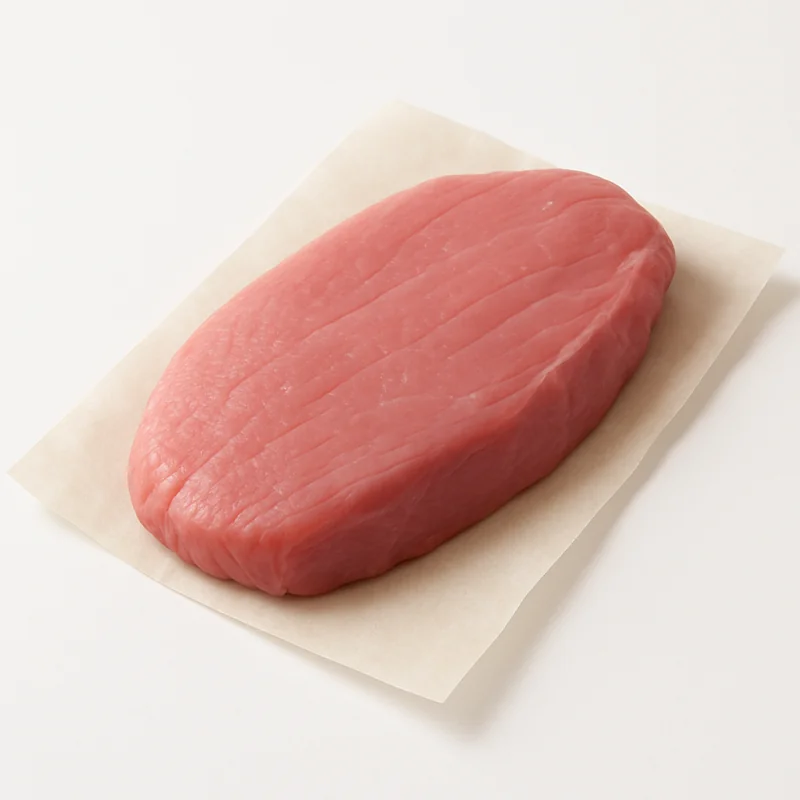
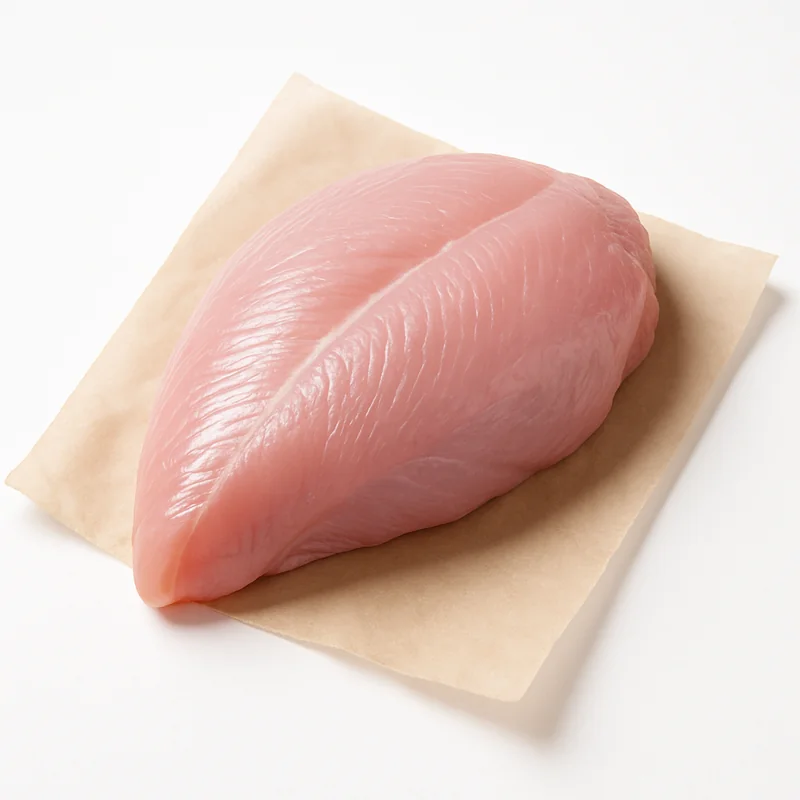
What is Goose actually covering?
See which nutrients your diet already delivers and which ones your supplements still need to — food and pills measured on the same scale.
Check my nutrients2 questions · free · no account needed to start
Also on iPhone — get the free app
Evidence-based supplement guides, no spam
We send a short digest when new guides drop — nothing else. No affiliate pushes, no sponsored content, unsubscribe anytime.