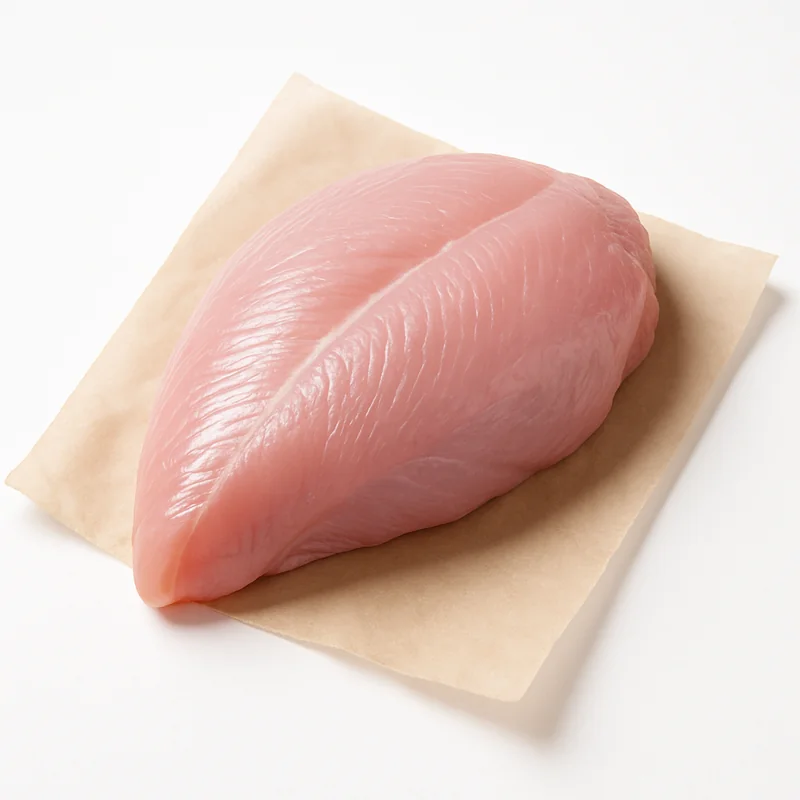
Turkey
ScoreA
Turkey is a lean poultry rich in high-quality protein and B vitamins, particularly niacin and selenium, making it an excellent choice for muscle maintenance and metabolic health.
Why Turkey scores 79
% Daily Value per 3 oz (85 g)
Nutrition
per 100 g
Health benefits
Supports lean muscle mass maintenance and protein synthesis
strong evidenceComplete protein with all essential amino acids; high leucine content stimulates mTORC1 signaling and muscle protein synthesis, critical for sarcopenia prevention in aging
Enhances thyroid function and antioxidant defense
strong evidenceSelenium is an essential component of selenoproteins including glutathione peroxidase and thioredoxin reductase, which reduce oxidative stress and support thyroid peroxidase enzyme function
Promotes metabolic health and energy production
strong evidenceNiacin (vitamin B3) functions as a precursor to NAD+, essential for glycolysis, fatty acid oxidation, and mitochondrial ATP production; supports sirtuin activation pathways
Supports cognitive and neurological function
moderate evidenceCholine serves as precursor to acetylcholine neurotransmitter and phosphatidylcholine, critical for cell membrane integrity and synaptic plasticity
May reduce cardiovascular disease risk relative to red meat
moderate evidenceLower saturated fat and cholesterol content compared to beef; lean preparation reduces atherogenic lipid burden while maintaining protein-mediated satiety and metabolic benefits
Pairs well with
- ·Pair with broccoli or other cruciferous vegetables because glucosinolates enhance phase II detoxification enzyme activity, working synergistically with turkey's selenium to optimize antioxidant capacity
- ·Combine with sweet potato because vitamin C enhances non-heme iron absorption from turkey, improving bioavailability and supporting collagen synthesis
- ·Pair with mushrooms (especially shiitake) because ergothioneine and polysaccharides enhance immune function alongside turkey's selenium and niacin for comprehensive metabolic support
- ·Combine with garlic or onions because allicin compounds support cardiovascular health and have mild anticoagulant properties, complementing turkey's lean protein profile
Practical tips
- ·Best timing: Turkey's complete amino acid profile and low glycemic index make it suitable for any meal. Lunch or dinner is traditional; post-workout timing provides amino acids for muscle protein synthesis. Breakfast inclusion (ground turkey) supports sustained satiety and metabolic rate through the day.
- ·Choose skinless breast over thighs or ground turkey to minimize saturated fat while maximizing the protein-to-calorie ratio; skin adds ~50 calories and 5g fat per 100g
- ·Store at 40°F (4°C) or below for maximum 1-2 days, or freeze at 0°F (-18°C) for up to 3 months; freeze in portion-controlled amounts to minimize oxidative damage from repeated thawing
- ·Prepare using dry heat methods (roasting, grilling, baking) rather than high-temperature frying to minimize formation of advanced glycation end products (AGEs) that may promote systemic inflammation
- ·Include turkey in meals with fat-soluble vitamin sources (olive oil, avocado) to enhance absorption of fat-soluble vitamins from accompanying vegetables; selenium absorption is enhanced in presence of fat
- ·Consume within 3 hours of cooking or refrigerate immediately; reheated turkey should reach 165°F (74°C) to ensure food safety and prevent bacterial proliferation
Related foods
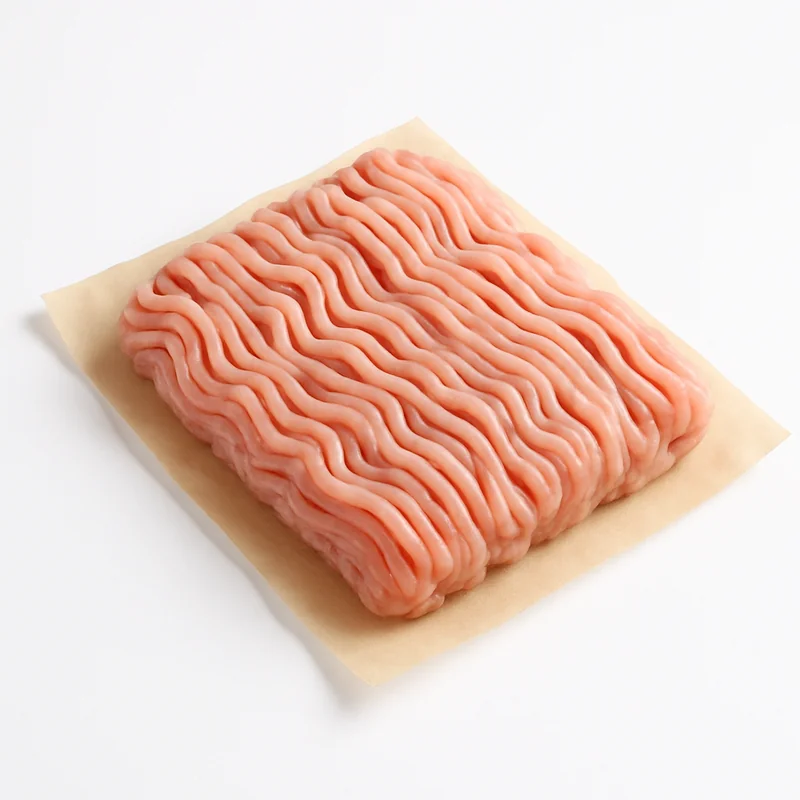
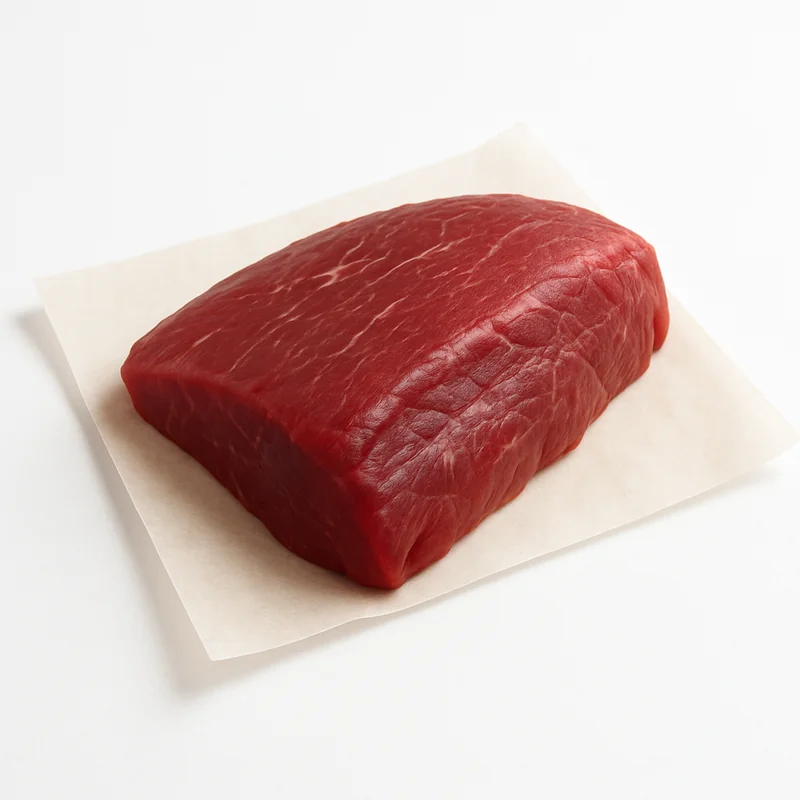
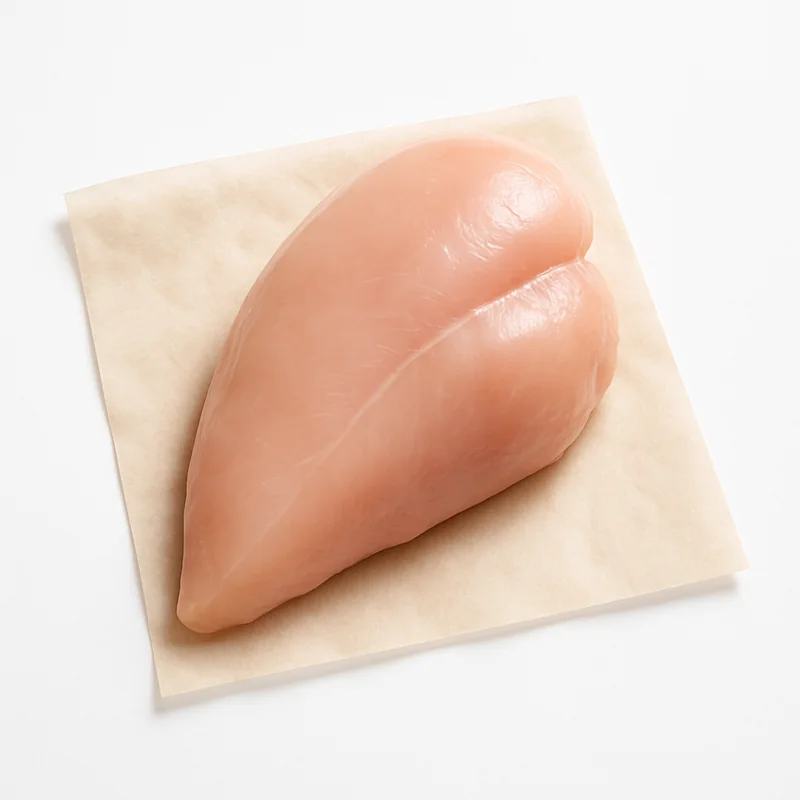
What is Turkey actually covering?
See which nutrients your diet already delivers and which ones your supplements still need to — food and pills measured on the same scale.
Check my nutrients2 questions · free · no account needed to start
Also on iPhone — get the free app
Evidence-based supplement guides, no spam
We send a short digest when new guides drop — nothing else. No affiliate pushes, no sponsored content, unsubscribe anytime.