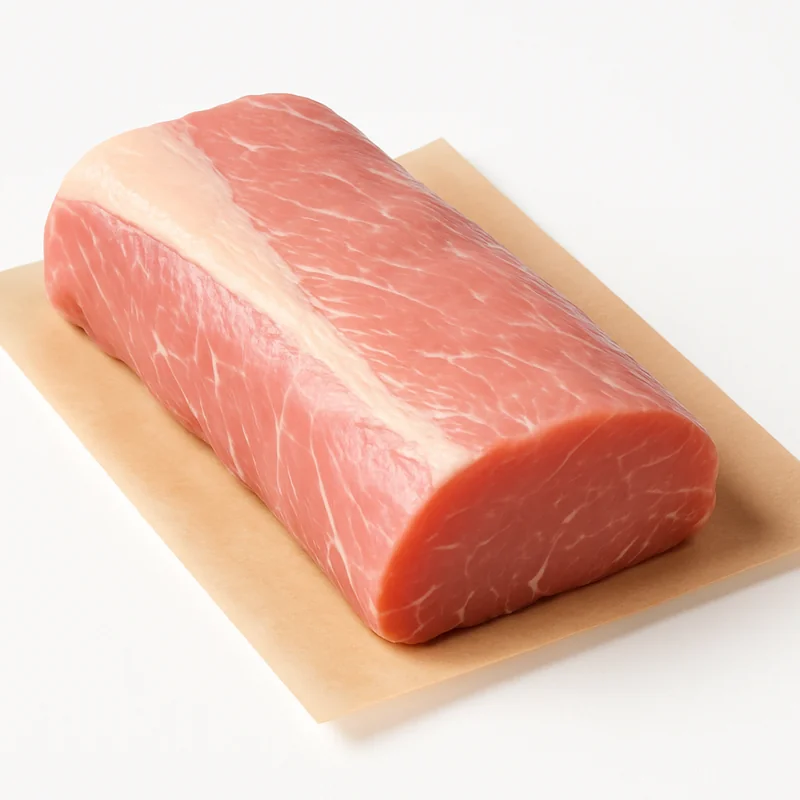
Pork Loin
ScoreA
Pork loin is a lean cut of pork that provides high-quality protein and essential micronutrients including selenium, niacin, and choline, making it valuable for muscle maintenance and metabolic health.
Why Pork Loin scores 81
% Daily Value per 3 oz (85 g)
Nutrition
per 100 g
Health benefits
Supports muscle protein synthesis and lean mass preservation with age
strong evidenceHigh-quality protein (20.85g/100g) containing all essential amino acids, particularly leucine, which activates mTOR pathway for muscle anabolism
Reduces oxidative stress through selenium-dependent antioxidant defense
strong evidenceSelenium (33.3 mcg/100g) is a structural component of glutathione peroxidase and thioredoxin reductase, enzymes that neutralize reactive oxygen species and protect cellular proteins from damage
Supports cognitive function and neurological health
moderate evidenceCholine (71.6 mg/100g) is a precursor for acetylcholine neurotransmitter and phosphatidylcholine in myelin sheaths, supporting synaptic plasticity and memory formation
Enhances energy metabolism and DNA repair capacity
strong evidenceNiacin (7.2 mg/100g) functions as a cofactor for NAD+-dependent enzymes involved in mitochondrial ATP production and PARP-mediated DNA damage repair
Improves iron status and oxygen transport efficiency
strong evidenceHeme iron in pork (bioavailability ~20-30%) is more readily absorbed than non-heme iron, supporting hemoglobin synthesis and mitochondrial cytochrome c oxidase function
Pairs well with
- ·Pair with vitamin C-rich vegetables (bell peppers, broccoli) to enhance heme iron absorption by up to 3-fold through reduction of ferric to ferrous iron
- ·Combine with selenium-rich Brazil nuts or mushrooms for additive antioxidant protection via complementary glutathione peroxidase and ergothioneine pathways
- ·Serve with whole grains (quinoa, oats) to create complete amino acid profile and provide B vitamins that work synergistically with niacin for energy metabolism
- ·Pair with cruciferous vegetables (Brussels sprouts, cabbage) containing sulforaphane, which upregulates phase II detoxification enzymes complementing selenium's antioxidant role
Practical tips
- ·Best timing: post-workout
- ·Select pork loin labeled 'center-cut' or 'rib end' over 'sirloin end'—these cuts have lower fat and higher protein density
- ·Cook to internal temperature of 63-68°C (145-155°F) rather than fully cooked to preserve heat-sensitive B vitamins like niacin and thiamine
- ·Store raw pork loin at 0-4°C and use within 3-5 days; freeze at -18°C for up to 6 months to prevent oxidative degradation of selenium-containing amino acids
- ·Trim visible fat before cooking to reduce saturated fat intake while retaining nutrient-dense lean muscle; avoid charring at high temperatures to limit heterocyclic amines (HCAs)
- ·Portion size: 100-150g per serving balances protein intake (20-31g) without excess calories; aim for 2-3 servings weekly as part of varied protein sources
Related foods
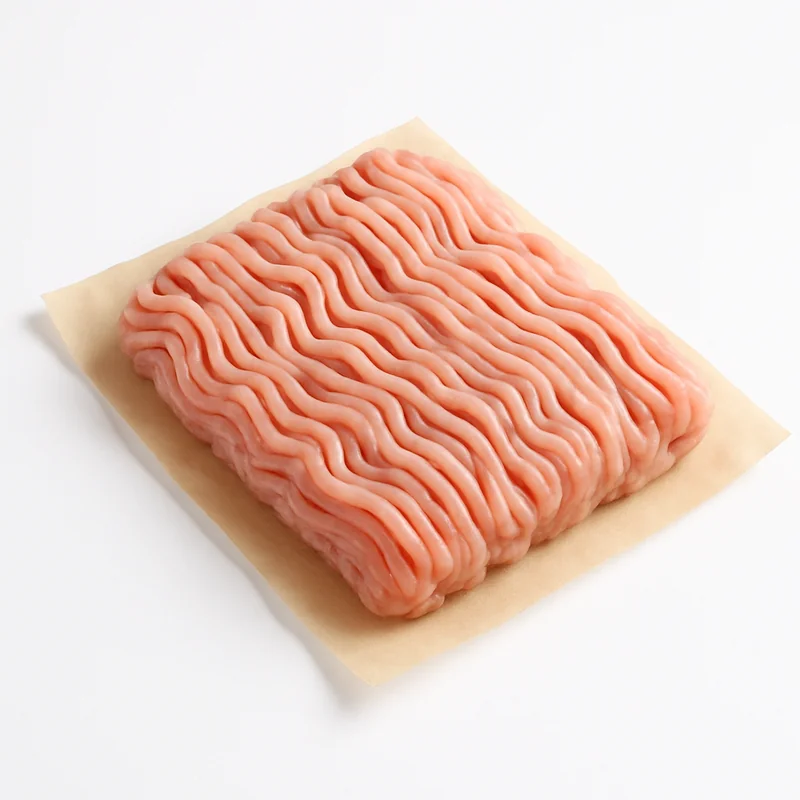
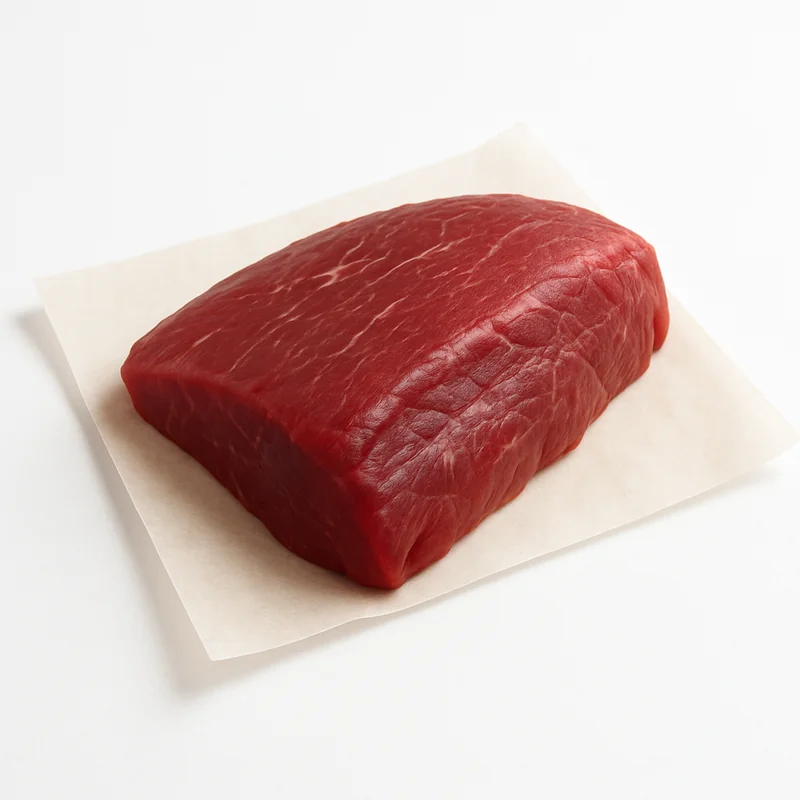
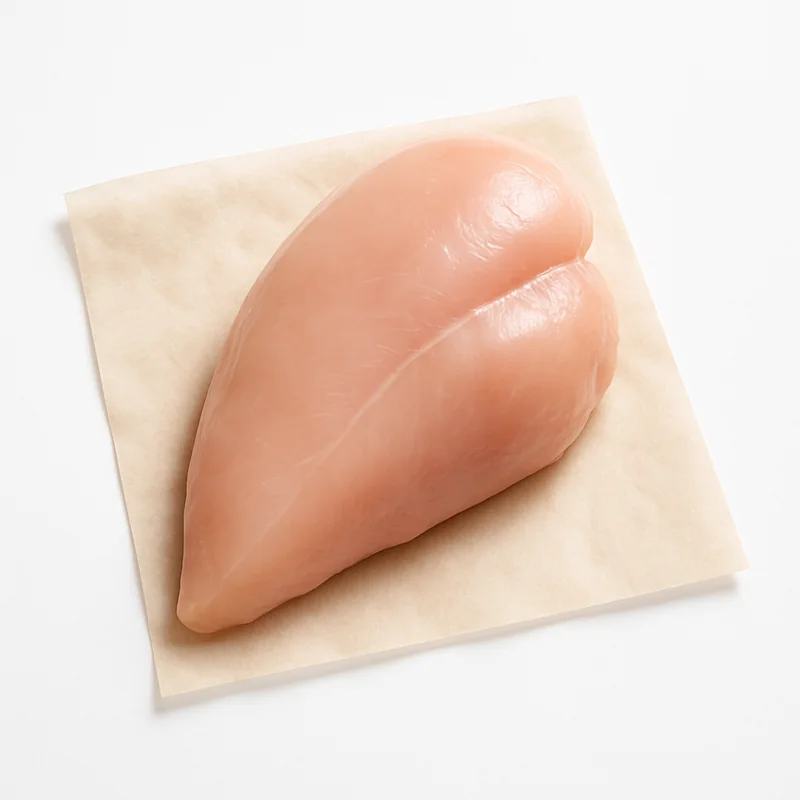
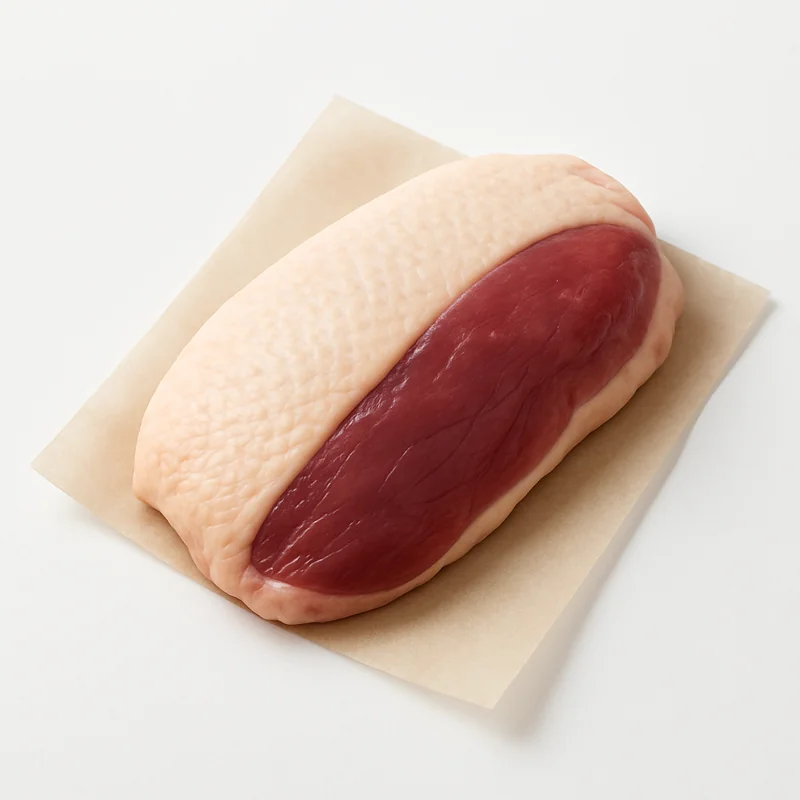
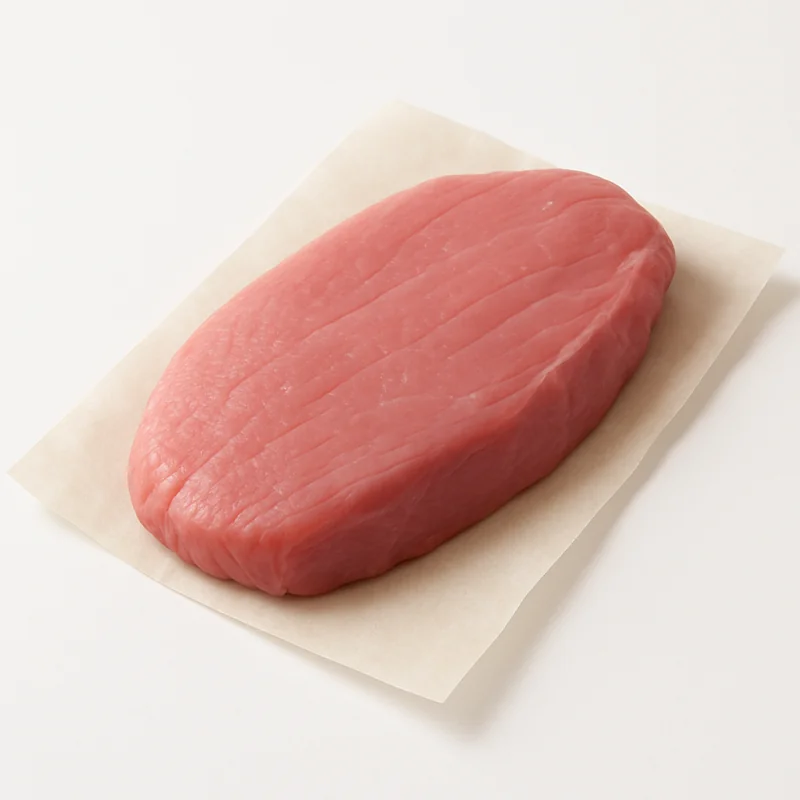
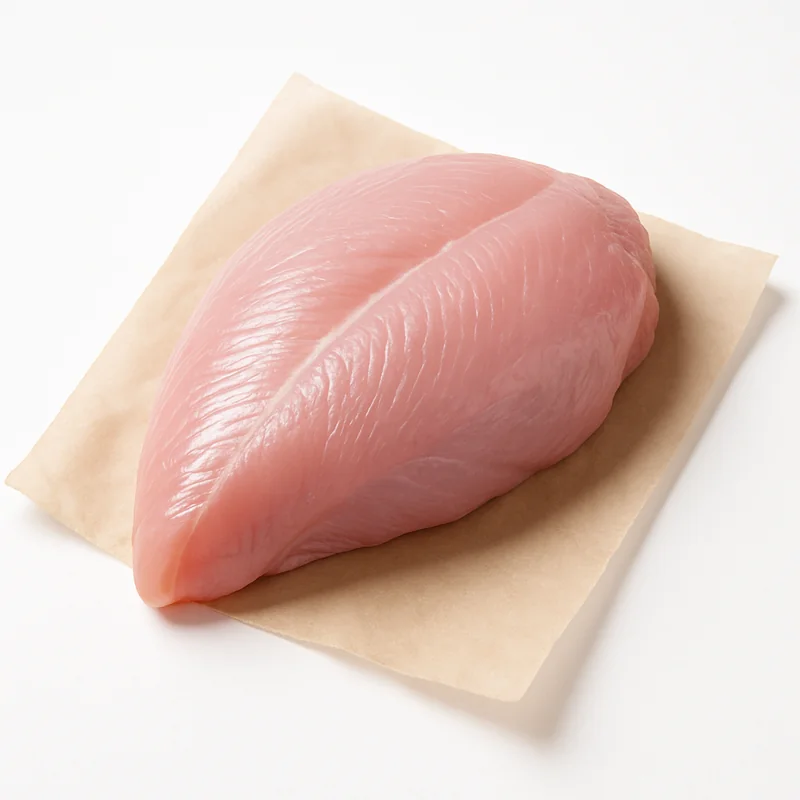
What is Pork Loin actually covering?
See which nutrients your diet already delivers and which ones your supplements still need to — food and pills measured on the same scale.
Check my nutrients2 questions · free · no account needed to start
Also on iPhone — get the free app
Evidence-based supplement guides, no spam
We send a short digest when new guides drop — nothing else. No affiliate pushes, no sponsored content, unsubscribe anytime.