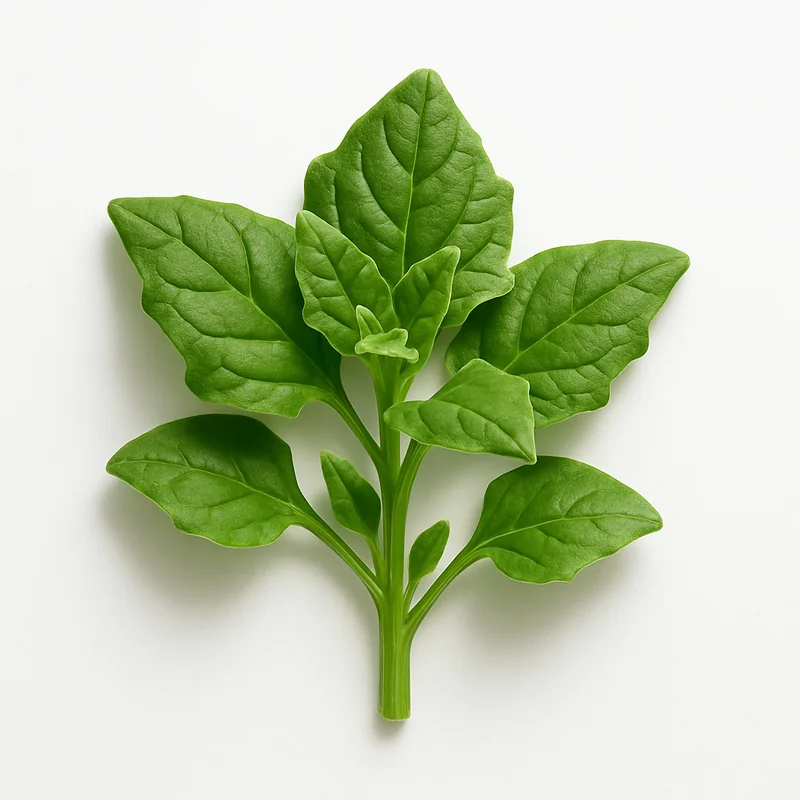
New Zealand Spinach
ScoreA+
New Zealand spinach is a leafy green vegetable with exceptional vitamin K content and minimal calories, making it an excellent choice for bone health and micronutrient density without caloric burden.
Why New Zealand Spinach scores 92
% Daily Value per ½ cup (85 g)
Nutrition
per 100 g
Health benefits
Supports bone health and fracture prevention through high vitamin K content
strong evidenceVitamin K activates osteocalcin, a bone matrix protein essential for calcium binding and bone mineralization. The 337 mcg per 100g significantly contributes to daily requirements (120 mcg for women, 90 mcg for men).
Promotes cardiovascular health through potassium and magnesium content
strong evidencePotassium regulates blood pressure by counteracting sodium and supporting endothelial function. Magnesium relaxes vascular smooth muscle and supports healthy arrhythmia prevention.
Supports collagen synthesis and immune function via vitamin C
strong evidenceVitamin C (30 mg per 100g) is a cofactor for prolyl and lysyl hydroxylase enzymes required for collagen cross-linking. It also enhances neutrophil function and reduces infection risk.
Provides antioxidant protection with lower oxalate burden compared to common spinach
moderate evidenceVitamin E and bioactive polyphenols neutralize oxidative stress. Lower oxalate content improves mineral bioavailability and reduces kidney stone risk in susceptible individuals.
Supports metabolic health through low glycemic impact and fiber content
moderate evidenceThe 1.5 g fiber per 100g slows glucose absorption, promoting stable blood sugar. Low carbohydrate density (2.5 g) minimizes insulin demand.
Pairs well with
- ·Pair with olive oil because fat-soluble vitamin K requires dietary lipids for absorption and transport
- ·Combine with citrus (lemon, orange) because vitamin C enhances non-heme iron absorption from the 0.8 mg iron content
- ·Mix with calcium-rich foods (yogurt, tahini) because vitamin K activates osteocalcin, which requires adequate calcium for bone mineralization
- ·Serve with garlic because allicin compounds support vascular health synergistically with potassium and magnesium
Practical tips
- ·Best timing: As a low-calorie, nutrient-dense vegetable with no stimulants or sleep-affecting compounds, New Zealand spinach can be consumed any time of day. Midday or evening consumption with fat sources optimizes vitamin K absorption.
- ·Store in a sealed plastic bag in the refrigerator crisper drawer for up to 5-7 days; wash gently just before use to preserve vitamin C content
- ·Consume raw in salads or lightly wilted (30 seconds in hot water) to preserve heat-sensitive vitamin C while making vitamin K more bioavailable
- ·Harvest or purchase younger leaves for tenderness and milder flavor; mature leaves develop slightly tougher texture but remain palatable
- ·Grow in home gardens during summer months in warm climates as it outperforms common spinach in heat stress, ensuring consistent fresh supply
Related foods
What is New Zealand Spinach actually covering?
See which nutrients your diet already delivers and which ones your supplements still need to — food and pills measured on the same scale.
Check my nutrients2 questions · free · no account needed to start
Also on iPhone — get the free app
Evidence-based supplement guides, no spam
We send a short digest when new guides drop — nothing else. No affiliate pushes, no sponsored content, unsubscribe anytime.