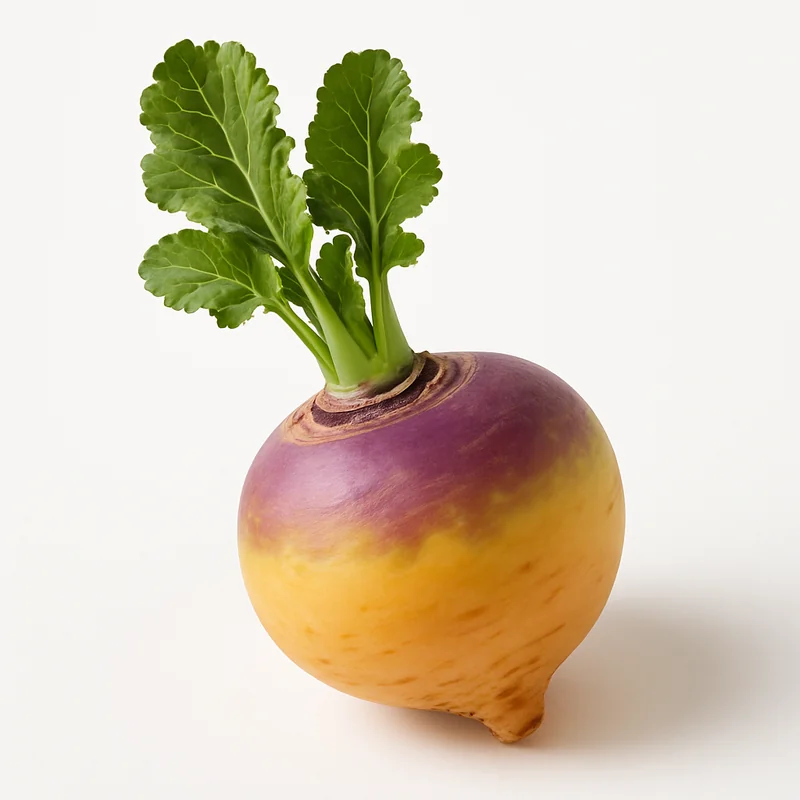
Rutabaga
ScoreA+
Rutabaga is a cruciferous root vegetable rich in vitamin C, potassium, and fiber, providing robust nutritional support for cardiovascular health and longevity with minimal caloric density.
Why Rutabaga scores 92
% Daily Value per ½ cup (85 g)
Nutrition
per 100 g
Health benefits
Cardiovascular protection through potassium-mediated blood pressure regulation
strong evidencePotassium (305mg/100g) antagonizes sodium effects and supports vascular endothelial function, reducing hypertension risk and arterial stiffness—primary drivers of cardiovascular aging
Enhanced detoxification and cancer risk reduction via glucosinolate metabolism
moderate evidenceGlucosinolates convert to isothiocyanates (sulforaphane pathway), which upregulate Phase II detoxification enzymes (glutathione S-transferases) and suppress carcinogenic pathways
Immune function and collagen synthesis via vitamin C bioavailability
strong evidence25mg vitamin C per 100g serves as cofactor for prolyl hydroxylase in collagen cross-linking and supports neutrophil function and T-cell differentiation
Improved gut microbiota diversity through resistant starch and fiber
moderate evidenceInsoluble fiber (2.3g/100g) and cooked rutabaga's resistant starch promote short-chain fatty acid (butyrate) production, strengthening gut barrier integrity and reducing systemic inflammation
One-carbon metabolism support and DNA stability via folate and choline
moderate evidenceFolate (21mcg) and choline (14.1mg) facilitate methylation reactions critical for DNA repair and epigenetic regulation, reducing mutation accumulation in aging
Pairs well with
- ·Pair with extra virgin olive oil because fat-soluble antioxidants in rutabaga (carotenoids, fat-soluble vitamins) require lipid presence for optimal absorption and bioavailability
- ·Combine with sulfur-rich alliums (garlic, onions) because both contain complementary glucosinolates and sulfur compounds that synergistically enhance detoxification enzyme induction
- ·Eat with fermented foods (sauerkraut, kimchi) because rutabaga's fiber serves as prebiotic substrate for beneficial Lactobacillus and Bifidobacterium, amplifying SCFA production
- ·Pair with cruciferous greens (kale, broccoli) because stacking multiple Brassicas maximizes glucosinolate diversity and isothiocyanate production for broader xenobiotic metabolism coverage
Practical tips
- ·Best timing: midday
- ·Store rutabagas unwashed in cool (45-50°F), humid conditions for 4-6 weeks; remove waxy coating only before cooking to prevent dehydration and preserve antioxidant stability
- ·Roast at 400°F for 30-40 minutes to caramelize natural sugars and amplify bioavailable polyphenols; cooked rutabaga shows increased bioavailability of carotenoids compared to raw
- ·Peel after cooking (rather than before) to minimize nutrient leaching and retain heat-stable vitamin C and potassium near the skin layer
- ·Include rutabaga mash (cubed + roasted + pureed) as a lower-glycemic alternative to mashed potatoes; each 150g serving delivers ~55kcal with superior mineral density and slower glucose response
- ·Ferment diced rutabaga with sea salt (2% by weight) for 5-7 days at room temperature to enhance glucosinolate conversion and generate probiotic-rich condiment with extended shelf life
Related foods
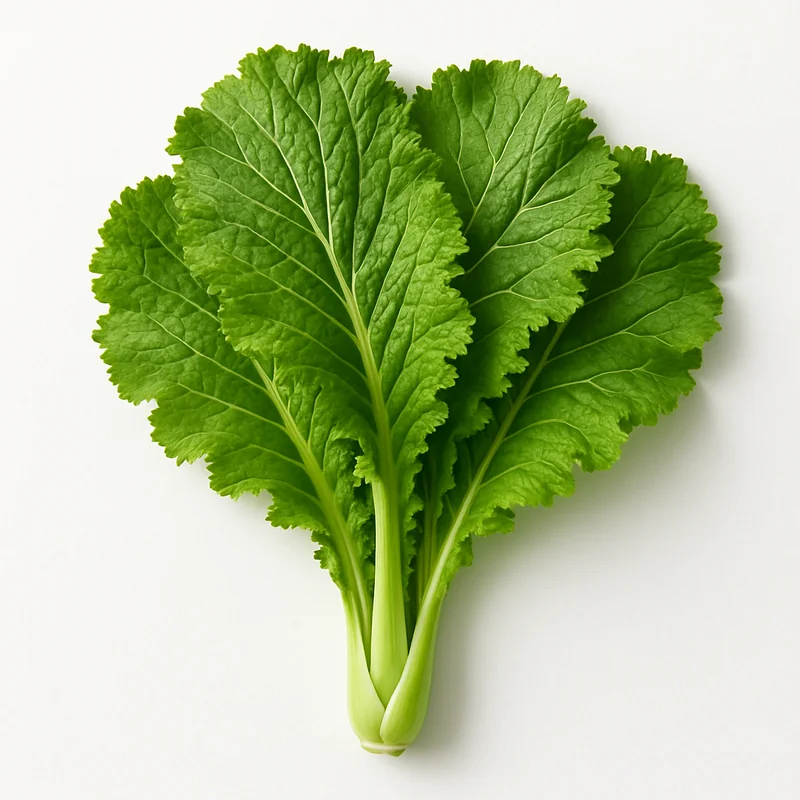
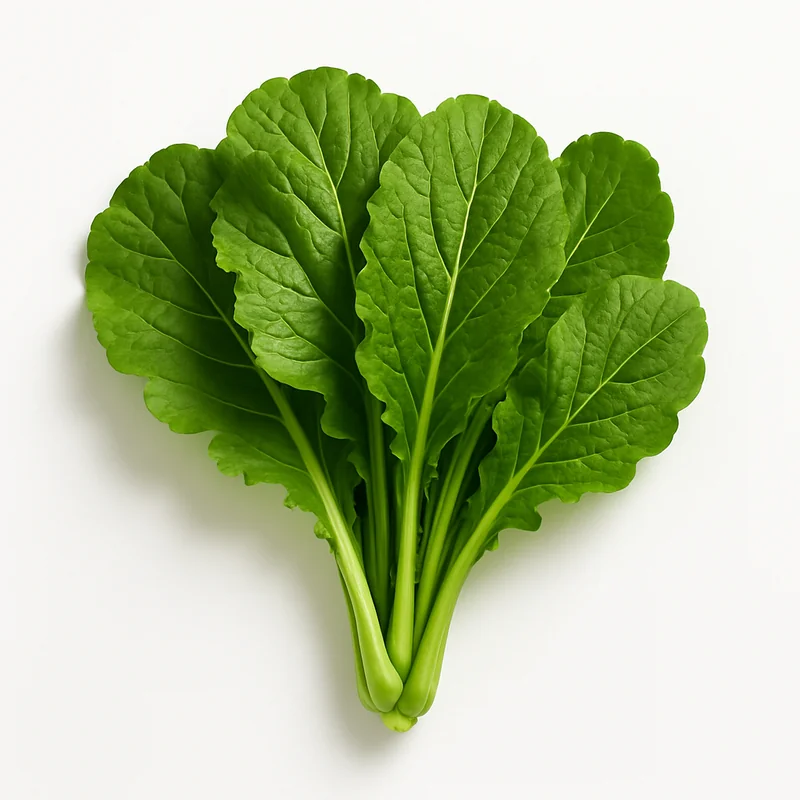
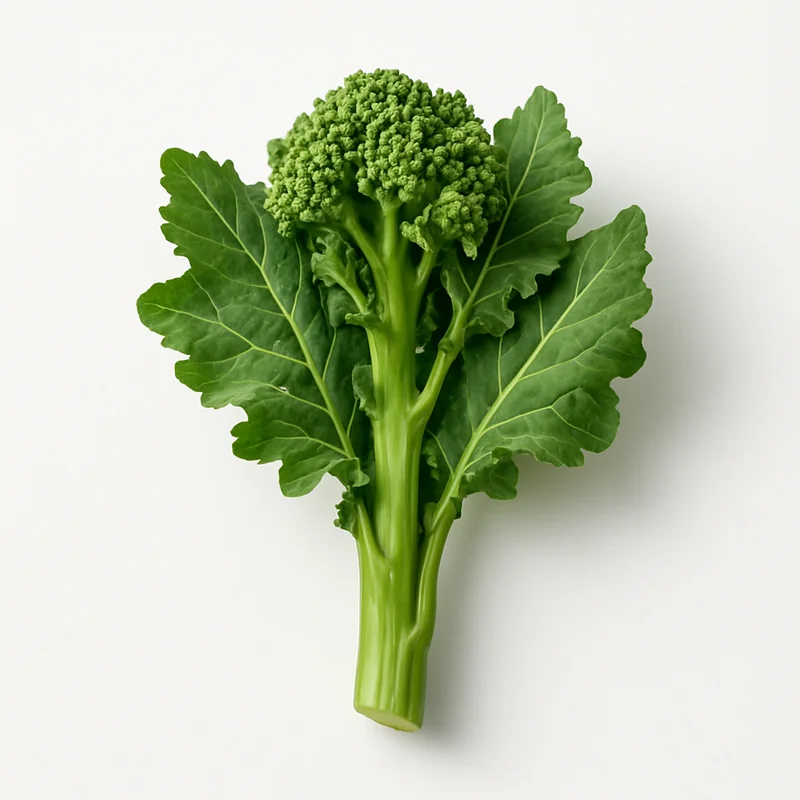
What is Rutabaga actually covering?
See which nutrients your diet already delivers and which ones your supplements still need to — food and pills measured on the same scale.
Check my nutrients2 questions · free · no account needed to start
Also on iPhone — get the free app
Evidence-based supplement guides, no spam
We send a short digest when new guides drop — nothing else. No affiliate pushes, no sponsored content, unsubscribe anytime.