
Bratwurst
ScoreB
Bratwurst is a German-style pork sausage rich in high-quality protein and selenium, though notably high in sodium and saturated fat.
Why Bratwurst scores 62
% Daily Value per 3 oz (85 g)
Nutrition
per 100 g
Health benefits
Supports muscle maintenance and protein synthesis
strong evidenceBratwurst provides 14.3g complete protein per 100g with all essential amino acids, supporting muscle protein turnover and sarcopenia prevention with aging
Supports thyroid function and antioxidant metabolism
strong evidenceContains 17mcg selenium per 100g, a key cofactor for glutathione peroxidase and thioredoxin reductase enzymes that protect cells from oxidative damage
May support iron absorption and oxygen transport
moderate evidencePork is a significant source of heme iron with high bioavailability; iron is essential for hemoglobin synthesis and mitochondrial ATP production
Provides B vitamins for energy metabolism
strong evidenceContains B12 and niacin, cofactors in cellular respiration and NAD+-dependent pathways critical for sustained energy and mitochondrial function
Pairs well with
- ·Pair with sauerkraut or fermented vegetables because the probiotics support gut microbiome diversity and the vitamin K2 in fermented foods enhances bone mineralization
- ·Combine with mustard (especially whole-grain) because sulfur compounds aid detoxification phase I/II enzyme activity, complementing bratwurst's selenium content
- ·Serve with whole grain rye bread or legumes because fiber slows absorption of saturated fat and sodium, mitigating postprandial lipemia and blood pressure spikes
- ·Pair with red onions or garlic because sulfur compounds and quercetin provide complementary antioxidant and anti-inflammatory activity
Practical tips
- ·Best timing: midday
- ·Limit portion size to 75-100g (one sausage) per serving to keep sodium intake below 1100mg and saturated fat below 10g daily
- ·Choose grass-fed or pasture-raised bratwurst when available; these contain higher omega-3 to omega-6 ratios and more conjugated linoleic acid (CLA)
- ·Grill or bake rather than pan-fry to minimize oxidized fat formation; avoid charring, which produces heterocyclic amines (HCAs) linked to inflammation
- ·Consume bratwurst no more than 1-2 times per month if managing hypertension or elevated cardiovascular risk; processed red meat is associated with elevated mortality in large prospective cohorts
- ·Balance with potassium-rich foods (sweet potato, leafy greens, legumes) to offset bratwurst's sodium load and support cardiovascular health
Related foods
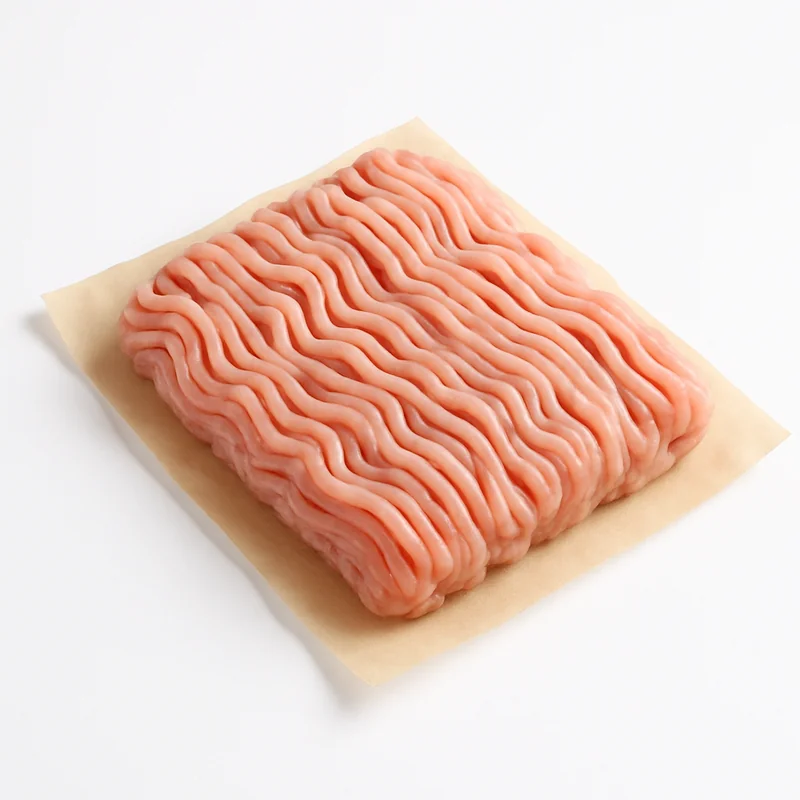
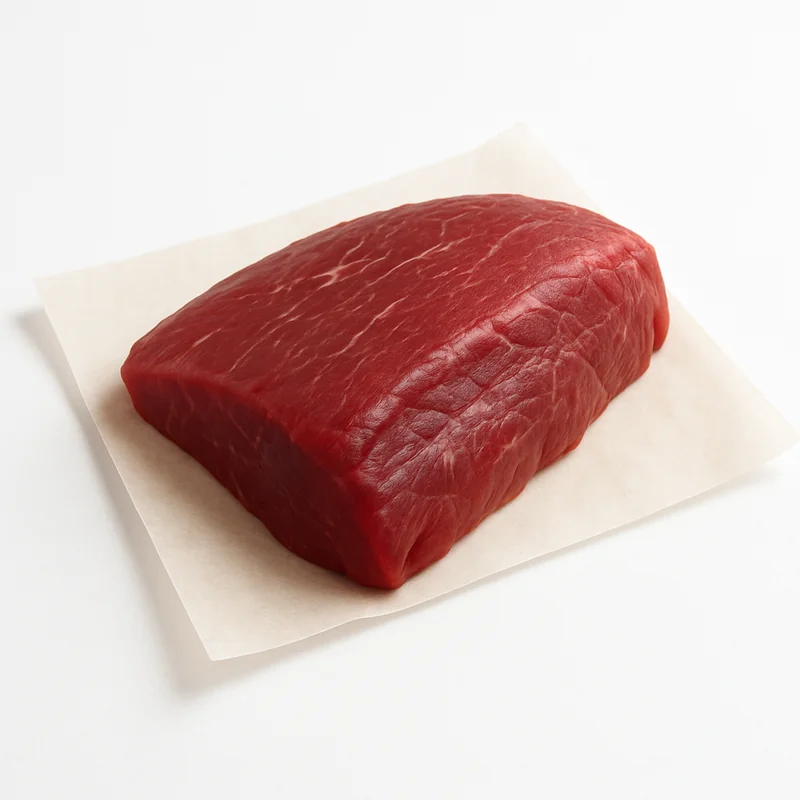

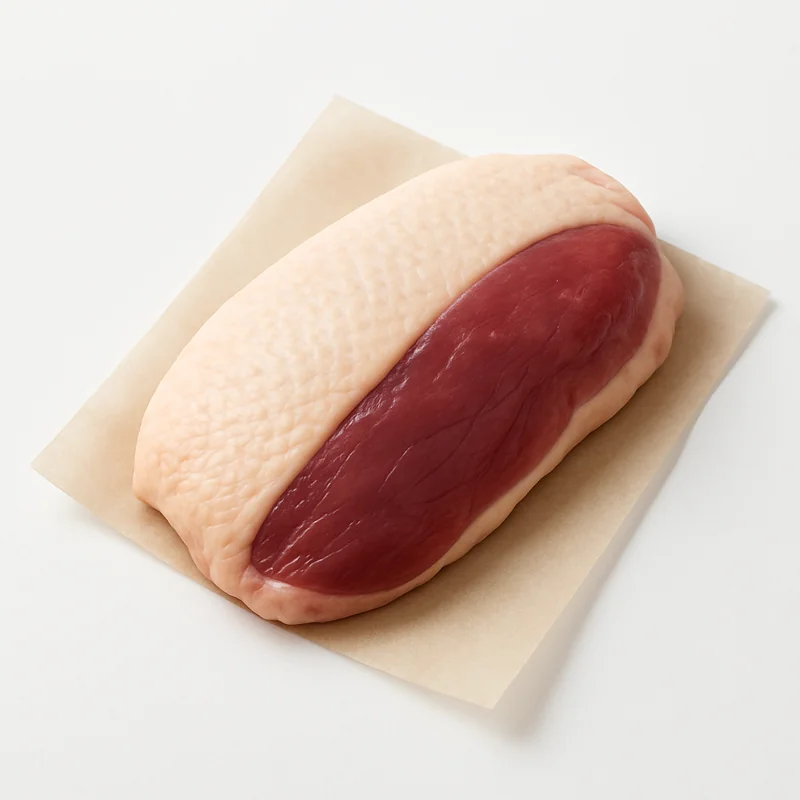
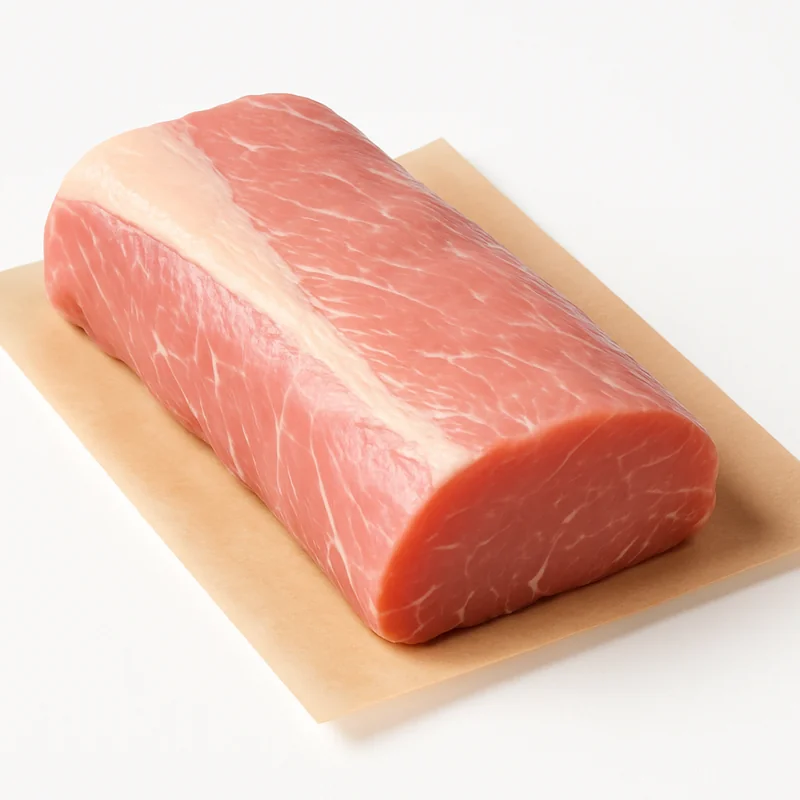

What is Bratwurst actually covering?
See which nutrients your diet already delivers and which ones your supplements still need to — food and pills measured on the same scale.
Check my nutrients2 questions · free · no account needed to start
Also on iPhone — get the free app
Evidence-based supplement guides, no spam
We send a short digest when new guides drop — nothing else. No affiliate pushes, no sponsored content, unsubscribe anytime.