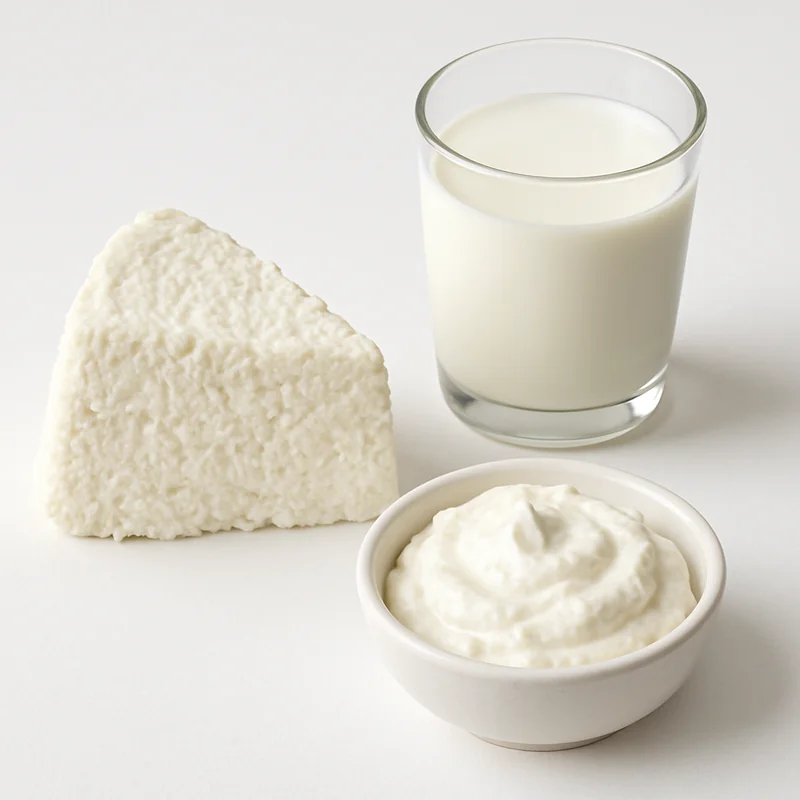
Ricotta Cheese
ScoreC
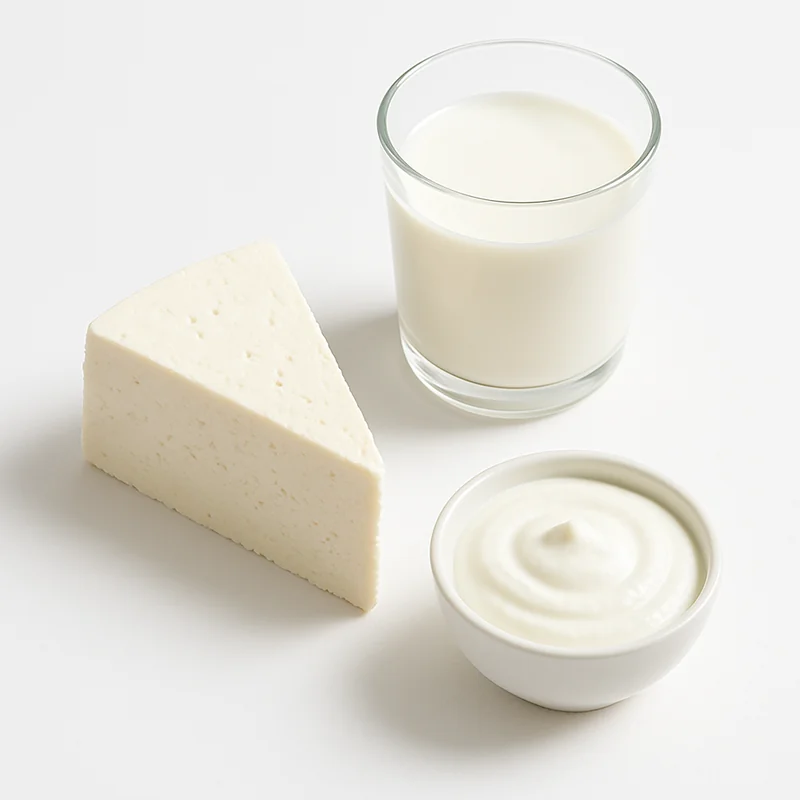
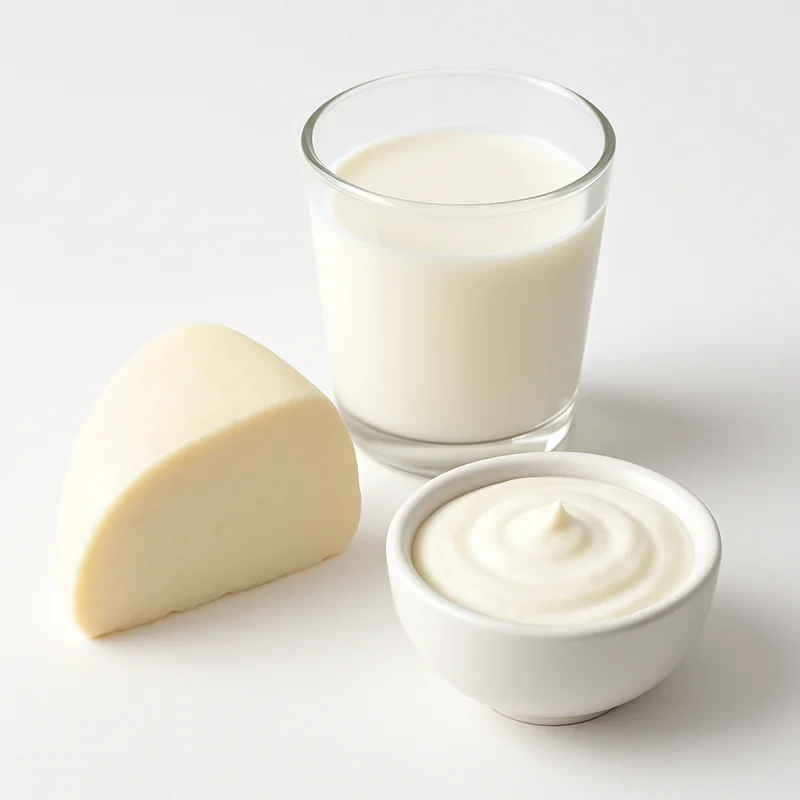
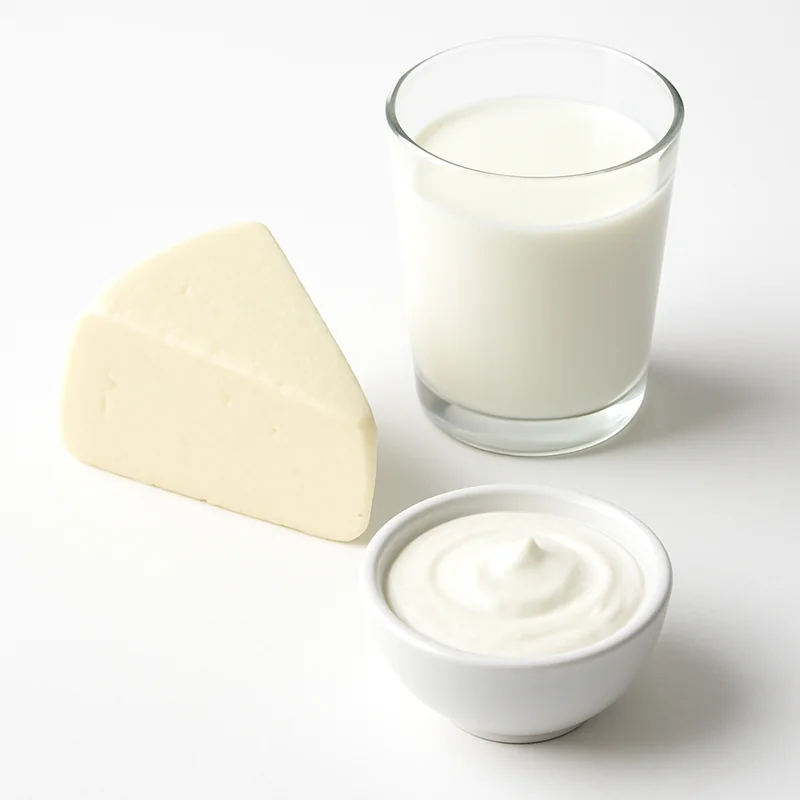
Ricotta cheese is a creamy Italian dairy product made from whey leftover during cheese production, rich in high-quality protein and calcium with minimal lactose compared to other cheeses.
Why Ricotta Cheese scores 48
% Daily Value per 1 oz (30 g)
Nutrition
per 100 g
Health benefits
Supports muscle mass maintenance and recovery through high-quality complete protein
strong evidenceRicotta's whey-derived proteins contain all 9 essential amino acids and are particularly rich in leucine, which activates mTOR signaling to stimulate muscle protein synthesis, critical for preventing age-related muscle loss (sarcopenia)
Promotes bone health and density through bioavailable calcium and phosphorus
strong evidenceRicotta provides approximately 200-250mg calcium per 100g in a matrix with optimal calcium-to-phosphorus ratio, supporting hydroxyapatite formation and mineralization while whey proteins may enhance intestinal calcium absorption
Enhances antioxidant defenses through selenium and cysteine content
moderate evidenceSelenium is incorporated into selenoproteins including glutathione peroxidase, a primary defense against oxidative stress; whey proteins provide cysteine precursors for endogenous glutathione synthesis
Supports cognitive function and liver health through choline
moderate evidenceRicotta contains choline, essential for acetylcholine synthesis (neurotransmitter for memory and attention) and phosphatidylcholine production for neuronal membrane integrity and hepatic lipid metabolism
Better tolerated than aged cheeses due to minimal lactose content
moderate evidenceFresh ricotta retains less lactose than hard cheeses since lactose drains with the whey; the remaining whey proteins are more easily digested by those with lactose sensitivity
Pairs well with
- ·Pair with berries (blueberries, blackberries) because anthocyanins from berries enhance ricotta's antioxidant capacity and selenium bioavailability through synergistic polyphenol-mineral interactions
- ·Combine with leafy greens (spinach, kale) because their vitamin K facilitates bone carboxylation proteins that ricotta's calcium supports; oxalates bind minimally with ricotta's proteins
- ·Mix with honey and walnuts because walnuts' omega-3 alpha-linolenic acid complements ricotta's complete protein for comprehensive amino acid profile, and honey's polyphenols enhance calcium absorption
- ·Pair with tomatoes because tomatoes' lycopene is fat-soluble and ricotta's fat content improves lycopene bioavailability; combined with selenium creates comprehensive cardiovascular support
Practical tips
- ·Best timing: Ricotta's complete protein profile with balanced amino acids and minimal lactose makes it suitable across meal times; post-workout timing leverages leucine-rich whey protein for muscle synthesis, while midday consumption provides sustained satiety through protein density
- ·Choose whole milk ricotta over part-skim to maximize fat-soluble vitamin absorption and selenium bioavailability; the fat content supports satiety and nutrient uptake
- ·Consume within 3-5 days of opening; ricotta's high moisture and fresh nature make it perishable—store in the coldest section of refrigerator and keep sealed
- ·Use at room temperature for 10-15 minutes before consumption to enhance palatability and slightly improve digestive enzyme efficiency without degrading heat-sensitive bioactives
- ·Select locally-made or European varieties when possible; artisanal ricotta often has lower sodium additives and cleaner ingredient lists than mass-produced versions
Related foods
What is Ricotta Cheese actually covering?
See which nutrients your diet already delivers and which ones your supplements still need to — food and pills measured on the same scale.
Check my nutrients2 questions · free · no account needed to start
Also on iPhone — get the free app
Evidence-based supplement guides, no spam
We send a short digest when new guides drop — nothing else. No affiliate pushes, no sponsored content, unsubscribe anytime.