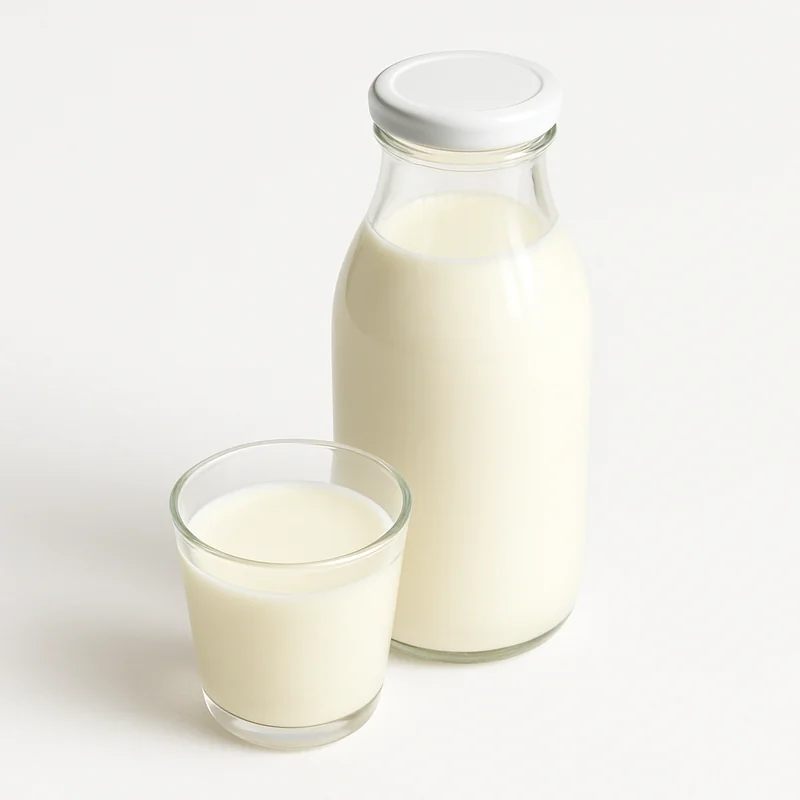
Buttermilk
ScoreA
Buttermilk is a fermented dairy beverage with a tangy flavor, traditionally made from the liquid left after butter churning. Rich in probiotics, calcium, and protein while being low in fat, it supports digestive and bone health.
Why Buttermilk scores 78
% Daily Value per 1 cup (240 g)
Nutrition
per 100 g
Health benefits
Supports digestive health and microbiome diversity through live lactic acid bacteria
moderate evidenceProbiotic Lactobacillus species colonize the gut, enhance barrier function, reduce pathogenic bacteria, and produce short-chain fatty acids that nourish intestinal epithelial cells
Improves bone mineral density and calcium bioavailability
strong evidenceLactic acid fermentation enhances mineral solubility; combined with 120mg calcium and phosphorus per 100g, supports osteoblast activity and reduces bone resorption risk
Enhances protein utilization and muscle protein synthesis
moderate evidenceButtermilk contains casein and whey proteins with bioactive peptides (β-lactorphin) that may improve amino acid absorption and post-meal satiety signaling
Reduces systemic inflammation through microbial metabolites
moderate evidenceProbiotic-derived butyrate and propionate activate GPR43/GPR41 receptors, suppressing pro-inflammatory immune responses and supporting regulatory T cell differentiation
Improves lactose tolerance compared to regular milk
strong evidenceFermentation metabolizes ~90% of lactose; residual lactose is further broken down by bacterial β-galactosidase, reducing digestive discomfort in lactose-sensitive individuals
Pairs well with
- ·Pair with turmeric in marinades or drinks because curcumin's bioavailability increases when combined with fat and probiotics enhance curcumin's anti-inflammatory metabolites
- ·Combine with berries (blueberries, raspberries) in smoothies because anthocyanins and polyphenols synergize with probiotics to reduce oxidative stress and support microbial diversity
- ·Mix with whole grains like oats or barley because prebiotic fiber feeds probiotic bacteria, creating a synergistic effect for butyrate production and sustained satiety
- ·Use in chutneys with ginger and garlic because combined antimicrobial and anti-inflammatory compounds are enhanced by buttermilk's probiotics for digestive optimization
Practical tips
- ·Best timing: Buttermilk is beneficial throughout the day due to its digestive support properties. Consuming with or after meals enhances nutrient absorption and provides satiety. Post-meal consumption supports digestive efficiency, while morning consumption may establish beneficial microbial populations for the day.
- ·Check labels for 'live and active cultures' seal; refrigerate at 40°F or below and consume within 2 weeks for maximum probiotic viability
- ·Use buttermilk in marinades for lean proteins (chicken, fish) as the lactic acid tenderizes meat while probiotics support post-meal digestion when consumed together
- ·Make a simple lassi (traditional drink) with buttermilk, cumin, and mint; this traditional preparation maximizes probiotic consumption and aids digestive comfort after meals
- ·Substitute buttermilk for higher-fat sour cream in salad dressings and baked goods to reduce saturated fat intake while maintaining calcium content and probiotic benefits
- ·Consume buttermilk at room temperature or slightly chilled to preserve heat-sensitive probiotics; avoid boiling or high-heat cooking applications
Related foods
What is Buttermilk actually covering?
See which nutrients your diet already delivers and which ones your supplements still need to — food and pills measured on the same scale.
Check my nutrients2 questions · free · no account needed to start
Also on iPhone — get the free app
Evidence-based supplement guides, no spam
We send a short digest when new guides drop — nothing else. No affiliate pushes, no sponsored content, unsubscribe anytime.