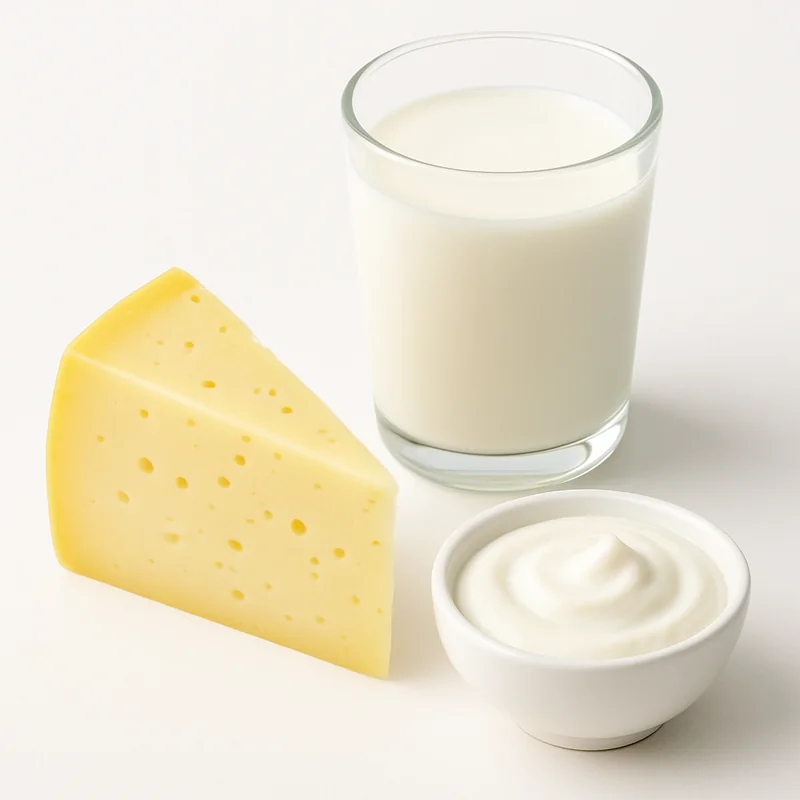
Cheese
ScoreC
Cheese is a nutrient-dense dairy product concentrated in protein, calcium, and phosphorus, making it a calorie-efficient source of bone-supporting minerals and complete amino acids.
Why Cheese scores 57
% Daily Value per 1 oz (30 g)
Nutrition
per 100 g
Health benefits
Supports bone mineral density and reduces osteoporosis risk
strong evidenceHigh calcium (800mg) and phosphorus (807mg) content provides essential minerals for bone matrix formation and mineralization; vitamin K2 in aged cheeses activates osteocalcin for calcium binding
Promotes muscle maintenance and supports post-exercise recovery
strong evidenceComplete protein profile (41.6g per 100g) containing all essential amino acids stimulates muscle protein synthesis; leucine content is particularly high
Enhances cognitive function and supports neurological health
moderate evidenceCholine (15.4mg) serves as precursor for acetylcholine neurotransmitter and phosphatidylcholine for myelin formation; bioactive peptides from fermentation have neuroprotective properties
Improves satiety and supports metabolic regulation
moderate evidenceHigh protein and fat content slows gastric emptying and triggers cholecystokinin release, promoting prolonged satiety and reducing subsequent calorie intake
Provides selenium for antioxidant defense and thyroid function
moderate evidenceSelenium (23.9mcg per 100g) is incorporated into selenoproteins including glutathione peroxidase, protecting against oxidative stress and supporting thyroid hormone metabolism
Pairs well with
- ·Pair with leafy greens (spinach, kale) because vitamin K in greens synergizes with cheese's calcium and vitamin K2 to optimize bone mineralization
- ·Combine with whole grain crackers or legumes because fiber slows cheese's fat absorption and stabilizes blood glucose response
- ·Pair with tomatoes or red peppers because vitamin C in these foods enhances iron absorption from cheese and supports collagen synthesis
- ·Combine with nuts (almonds, walnuts) because shared magnesium and fat content improves mineral absorption and extends satiety
Practical tips
- ·Best timing: Cheese's complete amino acid profile and satiety properties make it suitable throughout the day; post-workout consumption within 2 hours leverages protein for muscle recovery
- ·Choose aged cheeses (Parmesan, Gruyère) over fresh varieties—longer fermentation increases vitamin K2 bioavailability and reduces lactose content
- ·Store hard cheeses wrapped in parchment paper at 35-40°F; soft cheeses at coldest refrigerator shelf; rewrap after cutting to prevent mold development
- ·Consume cheese portions at 1-2 oz (28-56g) per serving to manage saturated fat intake while obtaining nutrient benefits without excessive calorie load
- ·Pair cheese with meals containing polyphenols or carotenoids to mitigate any pro-inflammatory effects from saturated fat through antioxidant buffering
Related foods
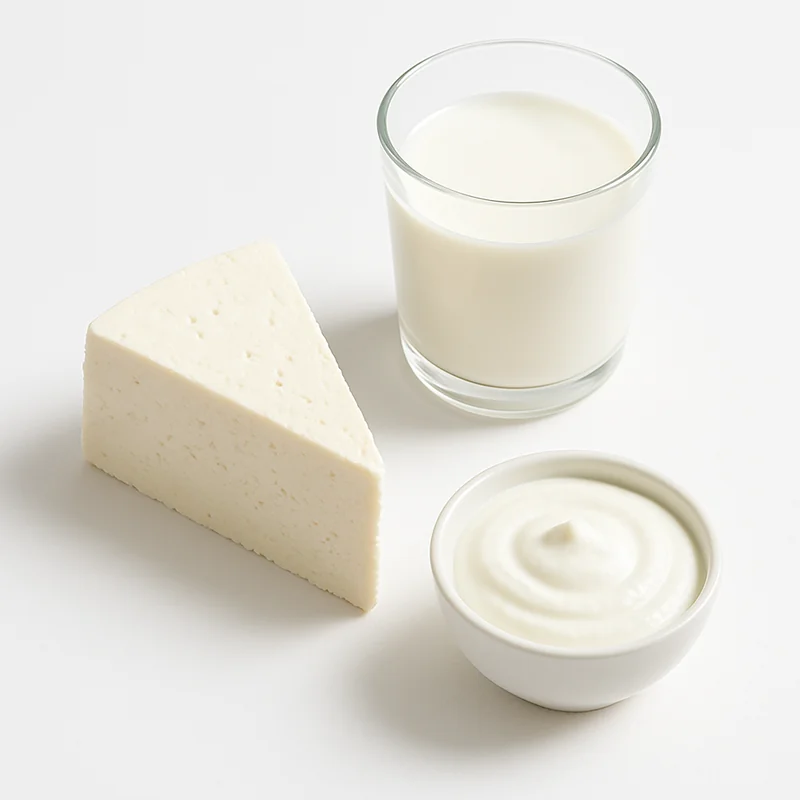
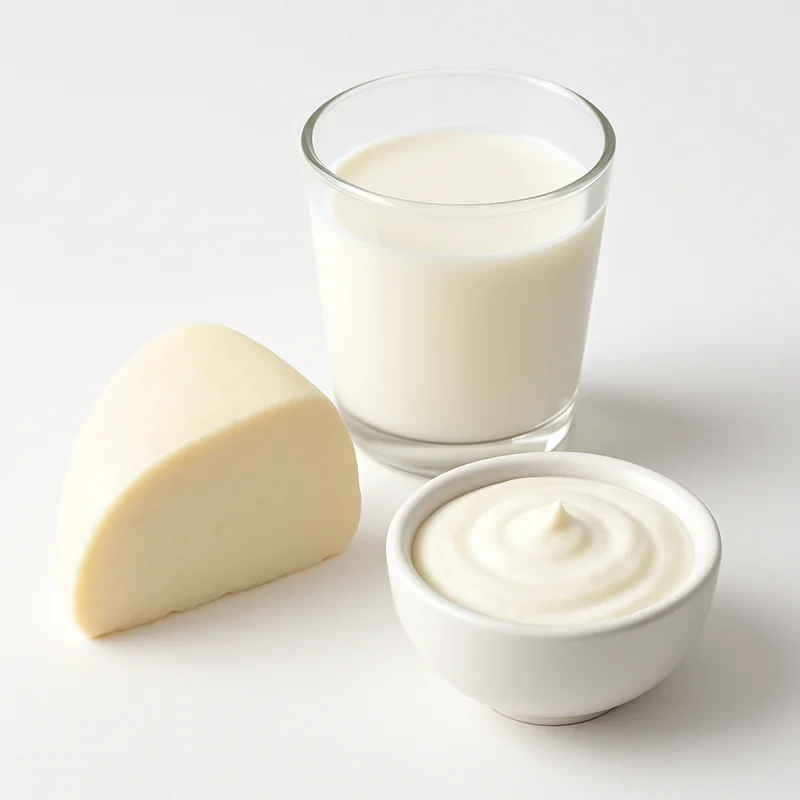
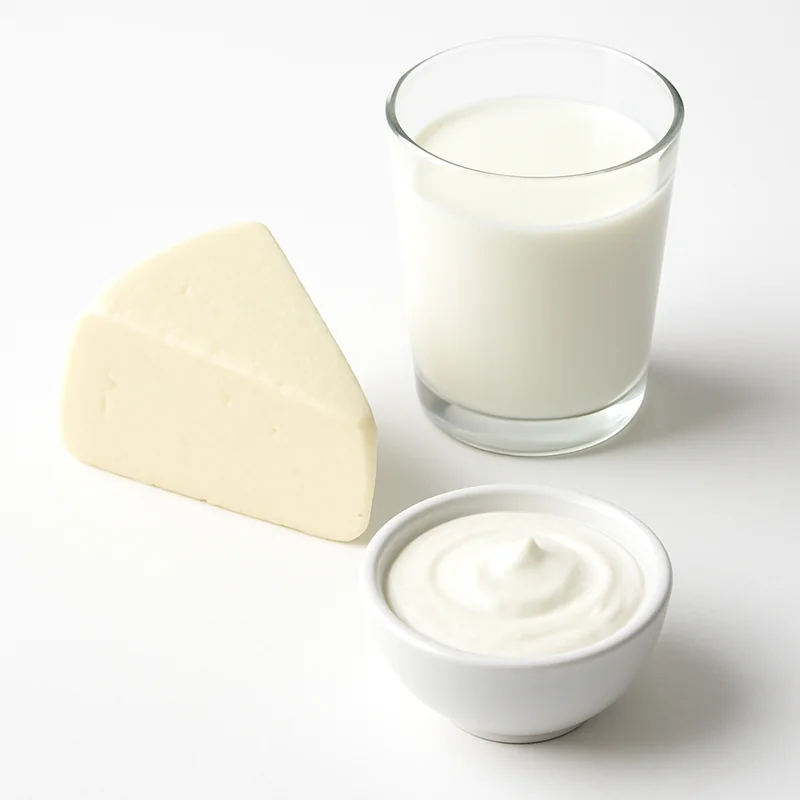
What is Cheese actually covering?
See which nutrients your diet already delivers and which ones your supplements still need to — food and pills measured on the same scale.
Check my nutrients2 questions · free · no account needed to start
Also on iPhone — get the free app
Evidence-based supplement guides, no spam
We send a short digest when new guides drop — nothing else. No affiliate pushes, no sponsored content, unsubscribe anytime.