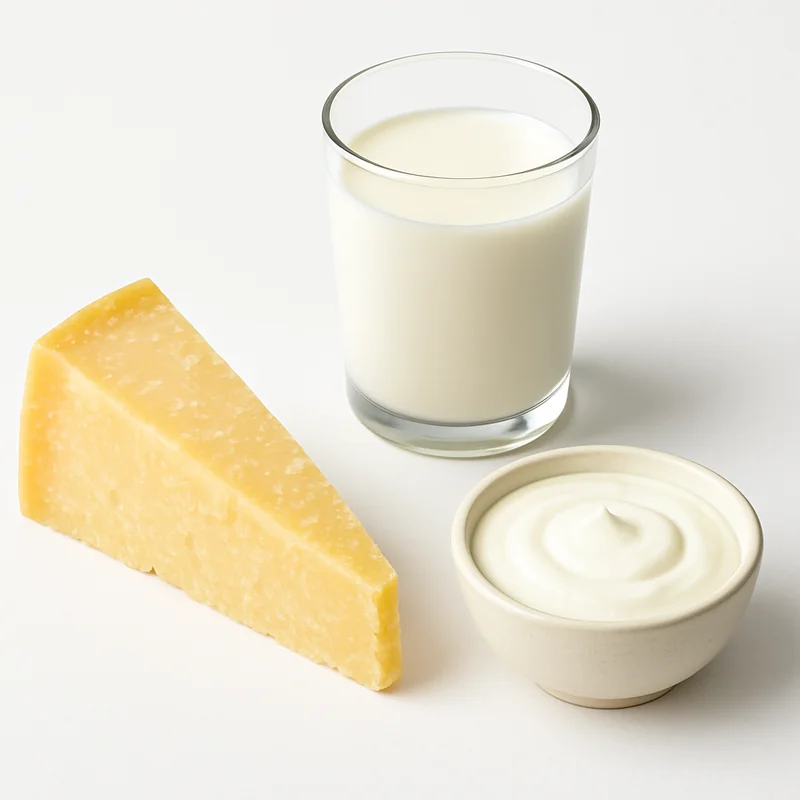
Parmesan Cheese
ScoreC
Parmesan cheese is a hard, aged Italian cheese rich in protein, calcium, and bioactive peptides that form during the extended aging process. Its concentrated nutrient profile and umami compounds make it valuable for bone health and metabolic function.
Why Parmesan Cheese scores 51
% Daily Value per 1 oz (30 g)
Nutrition
per 100 g
Health benefits
Supports bone mineral density and fracture prevention
strong evidenceHigh bioavailable calcium and vitamin K2 content promote osteoblast activity and bone matrix formation, while the acidic aging process maintains optimal calcium absorption conditions
Enhances muscle protein synthesis and recovery
moderate evidenceComplete amino acid profile with high leucine content activates mTOR signaling, while bioactive peptides support anabolic response to resistance exercise
Reduces overall dietary energy intake through satiety
moderate evidenceConcentrated protein and glutamate content increases cholecystokinin (CCK) release, extending satiety duration and reducing subsequent caloric consumption
Supports vascular endothelial function
moderate evidenceVitamin K2 activates matrix Gla protein, preventing arterial calcification and supporting healthy blood vessel elasticity
Provides bioavailable micronutrients for cellular energy production
moderate evidenceRich in B12, selenium, and phosphorus—cofactors in ATP synthesis, antioxidant defense, and mitochondrial function
Pairs well with
- ·Pair with leafy greens (spinach, arugula) because fat-soluble vitamins in Parmesan enhance absorption of polyphenols and fat-soluble compounds in vegetables
- ·Combine with tomato-based dishes because lycopene absorption increases in the presence of dietary fat from cheese, while umami compounds complement tomato glutamates
- ·Eat with whole grains (farro, barley) because the complete protein profile complements grain amino acids, creating superior amino acid balance for muscle synthesis
- ·Pair with cruciferous vegetables (broccoli, Brussels sprouts) because the calcium supports detoxification enzyme systems activated by sulforaphane compounds
- ·Combine with olive oil drizzle because polyphenols in quality olive oil synergize with Parmesan's anti-inflammatory compounds and improve micronutrient bioavailability
Practical tips
- ·Best timing: midday
- ·Use a microplane to create fine shavings rather than large chunks—this increases surface area and allows smaller quantities to distribute flavor more effectively, reducing sodium intake while maintaining satisfaction
- ·Store in parchment paper (not plastic) in the coldest section of your refrigerator to maintain optimal texture and prevent moisture accumulation that degrades quality
- ·Select aged Parmigiano-Reggiano (minimum 24 months) over younger variants—extended aging increases amino acid concentration and reduces lactose content further
- ·Add Parmesan to dishes at the end of cooking rather than during to preserve heat-sensitive bioactive compounds, particularly B vitamins
- ·Limit daily intake to 1-2 tablespoons (15-30g) due to high sodium content; this provides substantial nutritional benefit while maintaining sodium moderation for cardiovascular health
Related foods
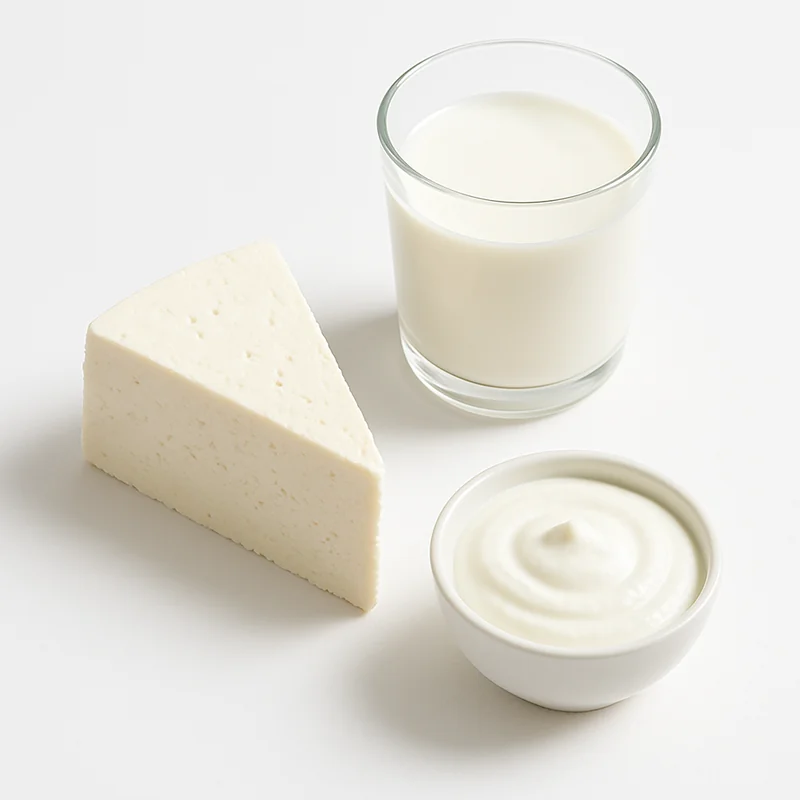
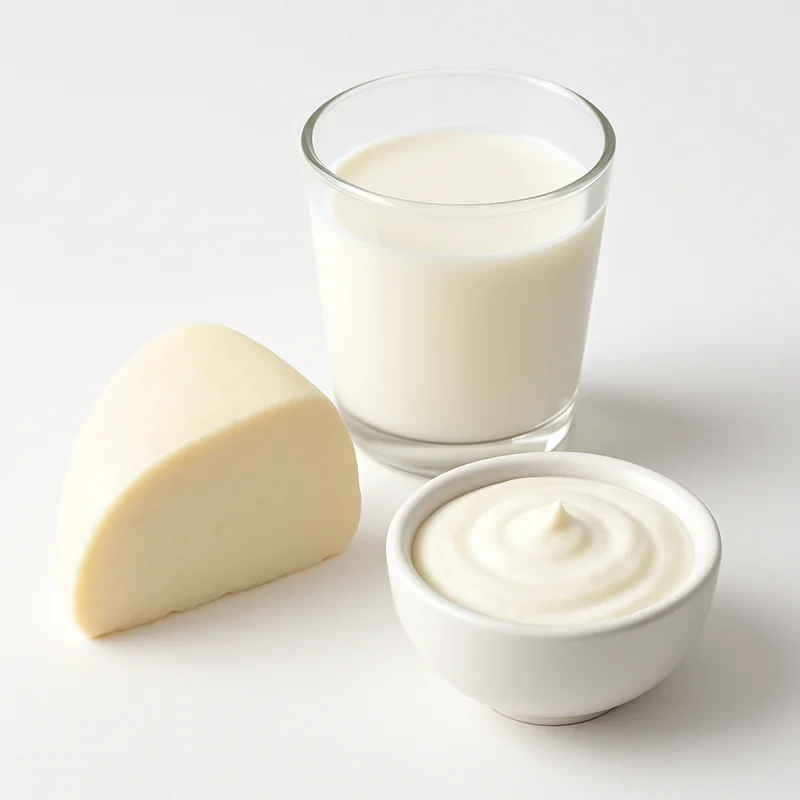
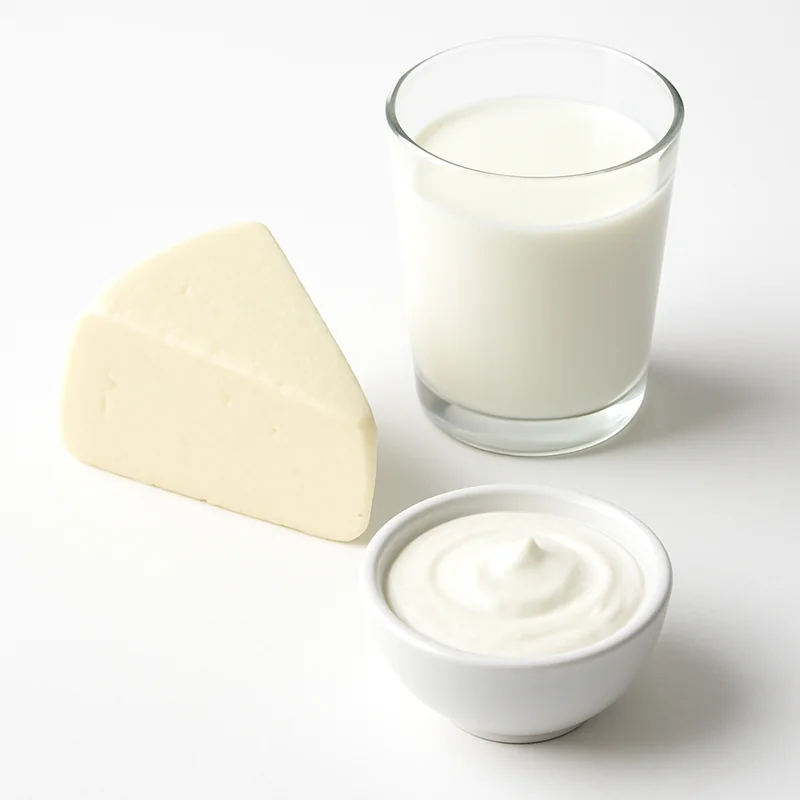
What is Parmesan Cheese actually covering?
See which nutrients your diet already delivers and which ones your supplements still need to — food and pills measured on the same scale.
Check my nutrients2 questions · free · no account needed to start
Also on iPhone — get the free app
Evidence-based supplement guides, no spam
We send a short digest when new guides drop — nothing else. No affiliate pushes, no sponsored content, unsubscribe anytime.