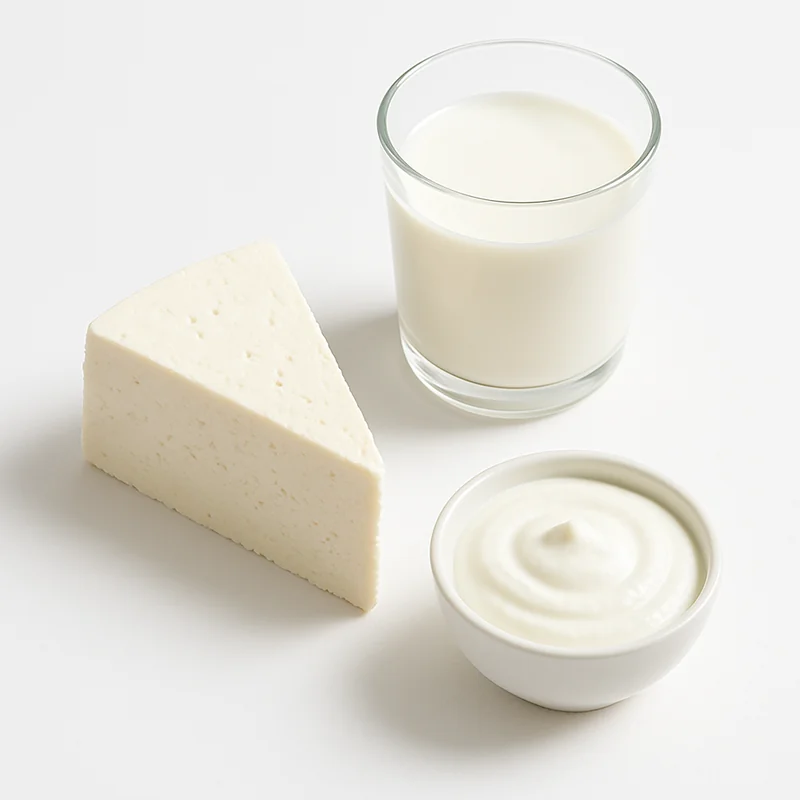
Dry White Cheese
ScoreB
Dry white cheese is a traditional fermented dairy product high in protein and calcium, with minimal moisture content that concentrates nutrients and extends shelf life. It serves as a nutrient-dense source of bioavailable minerals essential for bone health and longevity.
Why Dry White Cheese scores 60
% Daily Value per 1 oz (30 g)
Nutrition
per 100 g
Health benefits
Bone mineral density maintenance and fracture risk reduction
strong evidenceHigh calcium and phosphorus content, combined with enhanced bioavailability from fermentation, supports hydroxyapatite mineralization and counteracts age-related bone loss
Muscle protein synthesis and sarcopenia prevention
strong evidenceComplete protein with all essential amino acids, particularly leucine, stimulates mTOR pathway and compensates for age-related anabolic resistance
Gut microbiome diversity and barrier function
moderate evidenceFermentation produces bioactive peptides and some varieties contain live cultures that modulate intestinal microbial composition and strengthen tight junctions
Selenium status and antioxidant defense
moderate evidenceSignificant selenium content supports selenoprotein synthesis, particularly glutathione peroxidase, reducing oxidative stress and supporting thyroid function
Cardiovascular function through bioactive peptides
emerging evidenceFermentation generates ACE-inhibitory peptides and other bioactive compounds that may support vasodilation and blood pressure regulation
Pairs well with
- ·Pair with leafy greens (spinach, arugula) because vitamin K in greens synergizes with cheese calcium to enhance bone carboxylation and mineralization
- ·Combine with tomatoes because lycopene absorption is enhanced by the fat content in cheese, while tomato acidity balances brined cheese saltiness
- ·Serve with legumes (lentils, chickpeas) because complementary amino acid profiles create complete protein with enhanced bioavailability, supporting muscle synthesis
- ·Pair with olive oil because monounsaturated fats enhance absorption of fat-soluble vitamins and provide anti-inflammatory compounds that synergize with fermented cheese bioactives
Practical tips
- ·Best timing: midday
- ·Choose traditionally fermented varieties with minimal additives and check sodium content; rinse brined cheese briefly under cool water if managing sodium intake to reduce salt by 10-15%
- ·Store in airtight containers in refrigerator away from strong-smelling foods; properly stored dry white cheese maintains quality for 2-3 weeks and flavor intensifies over time
- ·Consume 30-50g portions as part of mixed meals with vegetables and whole grains rather than in isolation to optimize protein-to-calorie ratio and minimize sodium concentration
- ·Select cheeses made from grass-fed milk when available, as they contain higher concentrations of conjugated linoleic acid and fat-soluble vitamins
- ·Pair with adequate water intake when consuming brined varieties, as high sodium content increases fluid needs, particularly important for older adults
Related foods
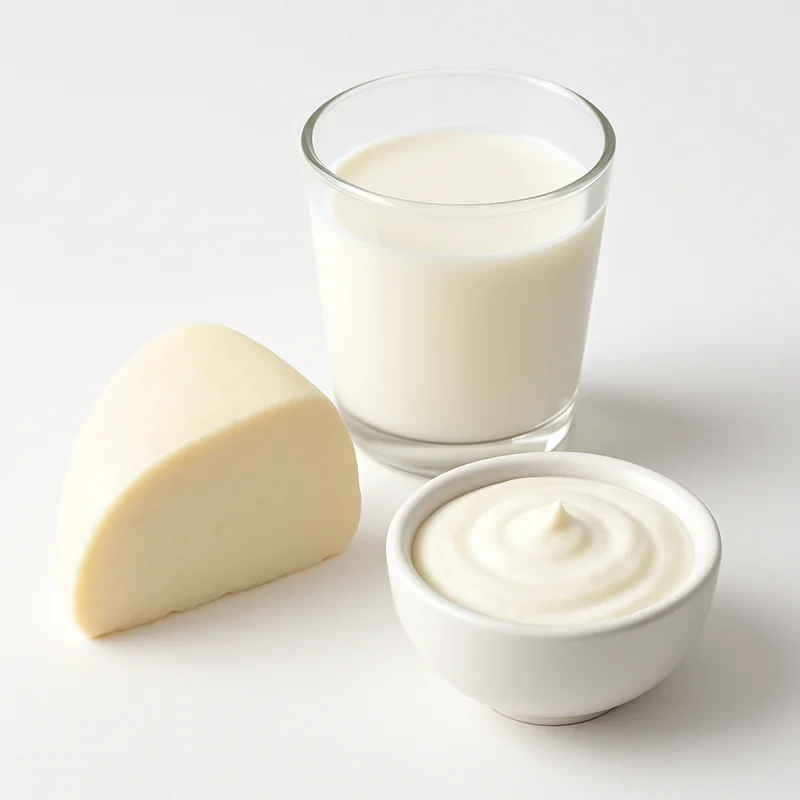
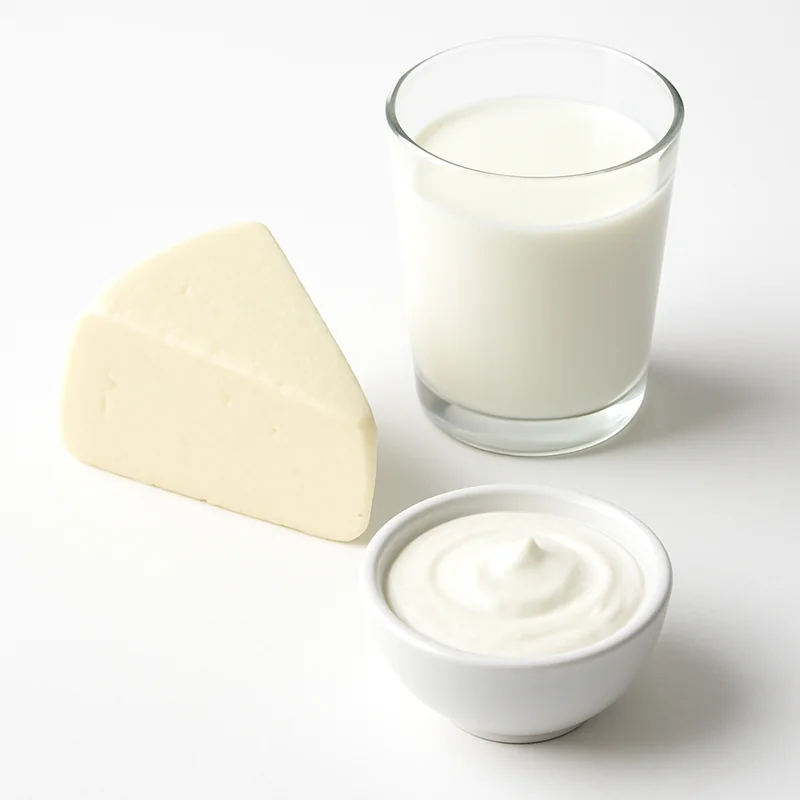
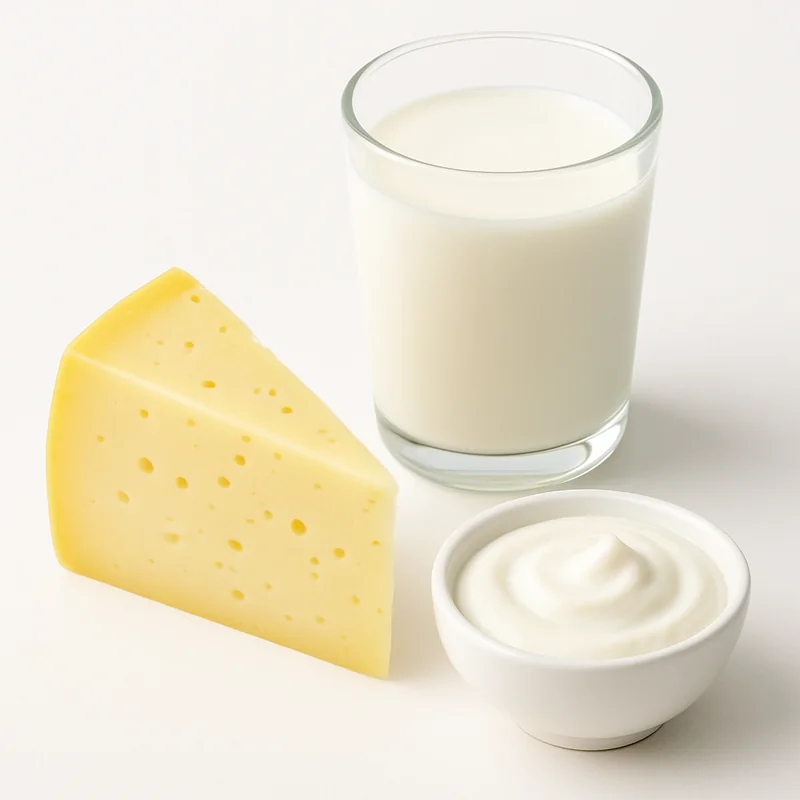
What is Dry White Cheese actually covering?
See which nutrients your diet already delivers and which ones your supplements still need to — food and pills measured on the same scale.
Check my nutrients2 questions · free · no account needed to start
Also on iPhone — get the free app
Evidence-based supplement guides, no spam
We send a short digest when new guides drop — nothing else. No affiliate pushes, no sponsored content, unsubscribe anytime.