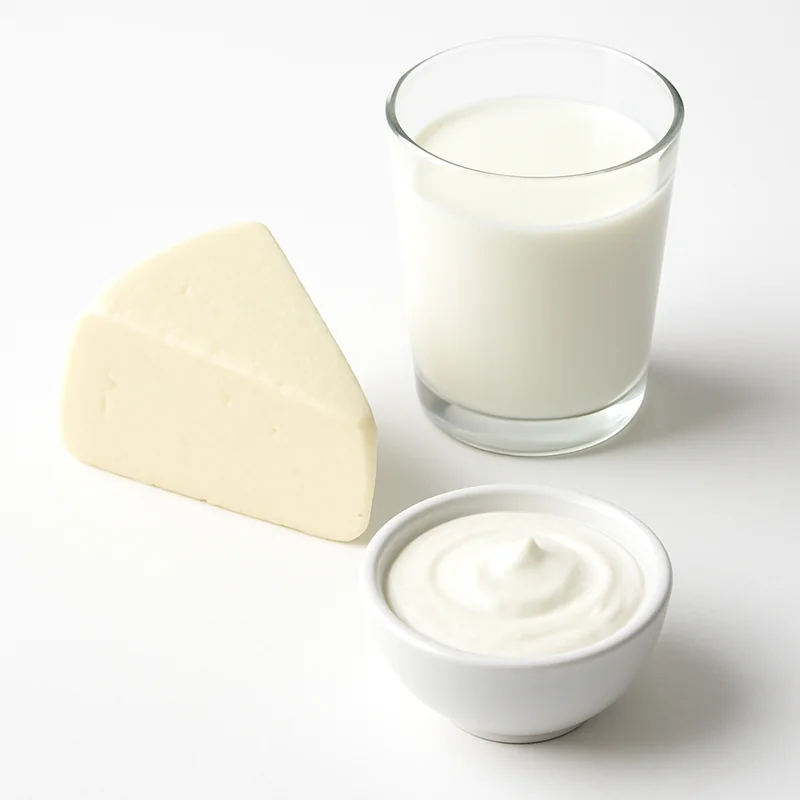
Mozzarella Cheese
ScoreC
Mozzarella is a mild, semi-soft cheese rich in protein and calcium, traditionally made from cow's milk or buffalo milk. It provides bioavailable nutrients essential for bone health and muscle maintenance.
Why Mozzarella Cheese scores 59
% Daily Value per 1 oz (30 g)
Nutrition
per 100 g
Health benefits
Supports bone mineral density and fracture prevention through calcium and phosphorus
strong evidenceCalcium and phosphorus are structural components of bone matrix; their combined intake maintains skeletal mineralization, critical for preventing osteoporosis with age
Preserves lean muscle mass and prevents age-related sarcopenia
strong evidenceHigh-quality whey and casein proteins provide all essential amino acids needed for muscle protein synthesis, particularly leucine which activates mTOR signaling
Supports cognitive function through choline and vitamin B12 content
moderate evidenceCholine is a precursor to acetylcholine (neurotransmitter); B12 maintains myelin sheath integrity and homocysteine metabolism, protecting against cognitive decline
May reduce systemic inflammation via butyric acid and CLA when consumed in moderation
emerging evidenceButyric acid promotes healthy gut microbiota and intestinal barrier function; CLA may modulate immune response and reduce pro-inflammatory cytokines
Pairs well with
- ·Pair with tomatoes and olive oil because lycopene absorption increases with fat-soluble compounds in mozzarella, and tomato acidity enhances calcium bioavailability
- ·Combine with leafy greens (arugula, spinach) because vitamin K in greens works synergistically with mozzarella's calcium and phosphorus for optimal bone health
- ·Pair with whole grain bread because soluble fiber slows gastric emptying, extending nutrient absorption and providing sustained amino acid delivery for muscle synthesis
- ·Combine with probiotic foods (kimchi, sauerkraut) because fermented foods enhance gut barrier function, improving calcium and mineral absorption from mozzarella
Practical tips
- ·Best timing: midday
- ·Choose fresh mozzarella (within 1-2 days of purchase) over aged varieties to minimize sodium intake while maximizing moisture and probiotic potential if made with live cultures
- ·Store fresh mozzarella in its brine or salted water in the coldest part of your refrigerator (32-35°F); consume within 3-5 days for optimal freshness and texture
- ·Select buffalo mozzarella (mozzarella di bufala) when available—it contains higher CLA and omega-3 fatty acids compared to standard cow's milk versions
- ·Consume mozzarella as part of a meal with vegetables and whole grains rather than alone; this slows digestion, prevents overconsumption, and maximizes nutrient synergy
- ·Limit portions to 1-1.5 ounces (28-42g) per day to manage saturated fat and sodium intake while preserving longevity benefits without excess caloric load
Related foods
What is Mozzarella Cheese actually covering?
See which nutrients your diet already delivers and which ones your supplements still need to — food and pills measured on the same scale.
Check my nutrients2 questions · free · no account needed to start
Also on iPhone — get the free app
Evidence-based supplement guides, no spam
We send a short digest when new guides drop — nothing else. No affiliate pushes, no sponsored content, unsubscribe anytime.