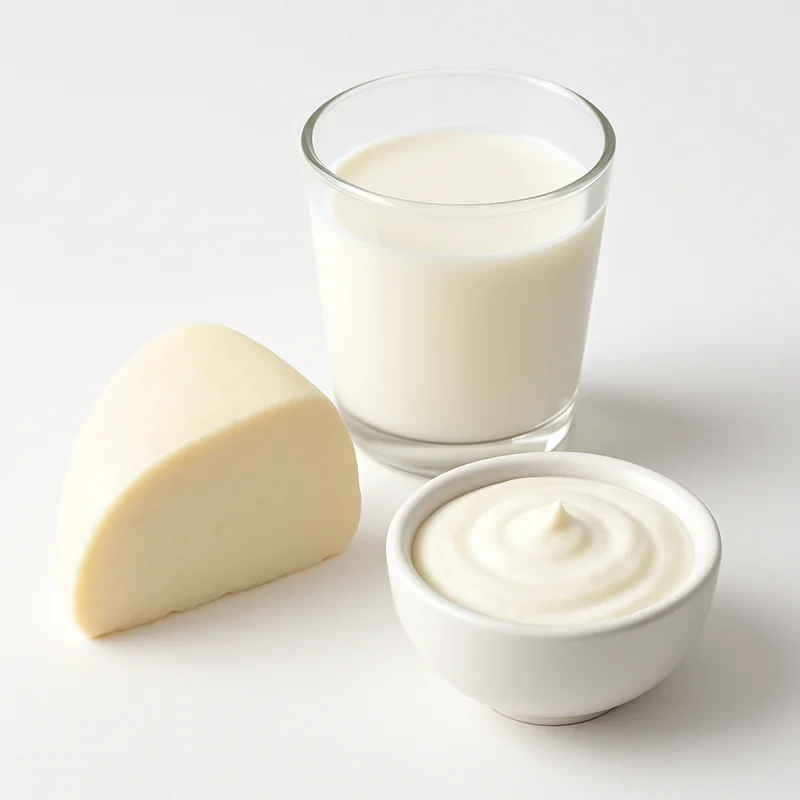
Mozzarella
ScoreB
Mozzarella is a soft, mild cheese traditionally made from milk that provides high-quality protein and bioavailable calcium essential for bone and muscle health.
Why Mozzarella scores 60
% Daily Value per 1 oz (30 g)
Nutrition
per 100 g
Health benefits
Supports bone mineral density and fracture prevention
strong evidenceHigh bioavailable calcium and phosphorus combine with vitamin K2 (especially in grass-fed varieties) to mineralize bone matrix and activate osteocalcin, a protein essential for bone strength
Promotes muscle protein synthesis and prevents sarcopenia
strong evidenceMozzarella contains complete proteins with high leucine content (3-4% by weight), which activates mTOR signaling and stimulates muscle protein synthesis in aging adults
Supports cardiovascular health through vitamin K2 pathway
moderate evidenceVitamin K2 (menaquinone) activates matrix Gla protein, which prevents arterial calcification and supports endothelial function
May improve micronutrient bioavailability and gut health
emerging evidenceFermentation byproducts and residual beneficial bacteria in fresh mozzarella support healthy gut microbiota composition and may enhance mineral absorption
Provides choline for cognitive function
moderate evidenceMozzarella contains choline (40-50mg per 100g), a precursor to acetylcholine and component of phosphatidylcholine, supporting memory and neural function
Pairs well with
- ·Pair with tomatoes because lycopene in tomatoes is fat-soluble and requires dietary fat (from mozzarella's milk fat) for optimal absorption, creating classic caprese synergy
- ·Combine with leafy greens (spinach, arugula) because mozzarella's fat content enhances absorption of fat-soluble vitamins K, E, and carotenoids from greens
- ·Pair with fermented foods (kimchi, sauerkraut) because both contain bioactive compounds that synergistically support gut microbiota diversity and bacterial populations
- ·Combine with cruciferous vegetables (broccoli, cauliflower) because mozzarella's calcium enhances mineral bioavailability from vegetables' micronutrient-dense profiles
Practical tips
- ·Best timing: midday
- ·Choose grass-fed or pasture-raised mozzarella when available, as these varieties contain 3-5x higher levels of vitamin K2 compared to grain-fed varieties
- ·Select fresh mozzarella over aged varieties when possible to minimize sodium intake while maximizing probiotic content from fermentation cultures
- ·Store fresh mozzarella in its original brine or salt water solution at 4°C to preserve texture and beneficial bacterial cultures; consume within 5-7 days
- ·Pair mozzarella with olive oil drizzle to enhance absorption of fat-soluble vitamins and increase satiety through fat-protein combination
- ·Limit portion to 30-50g daily as part of a balanced diet due to caloric density (280-320 kcal per 100g) and sodium content in some commercial varieties
Related foods
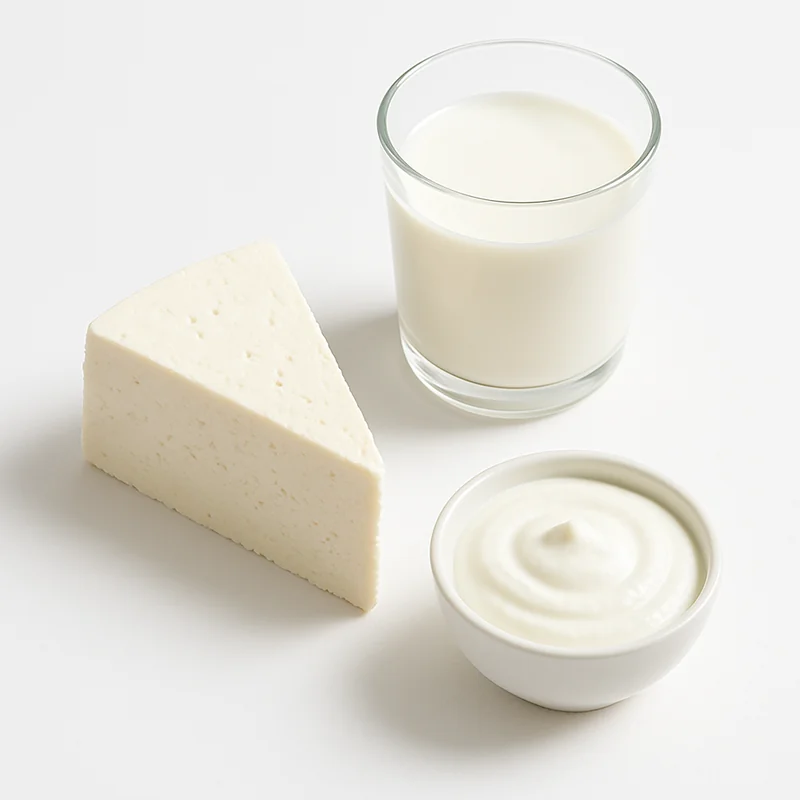
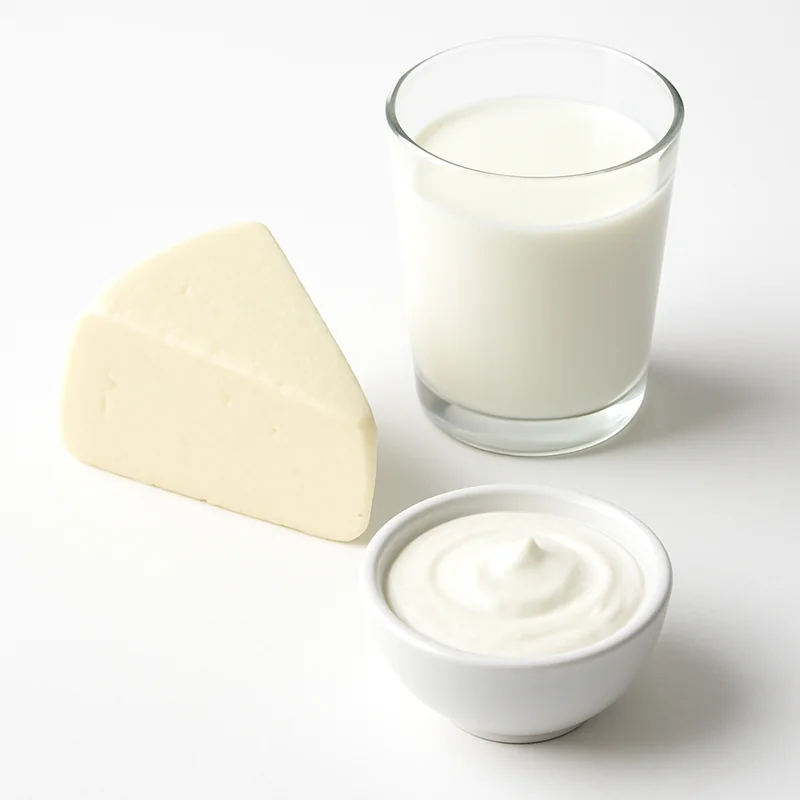
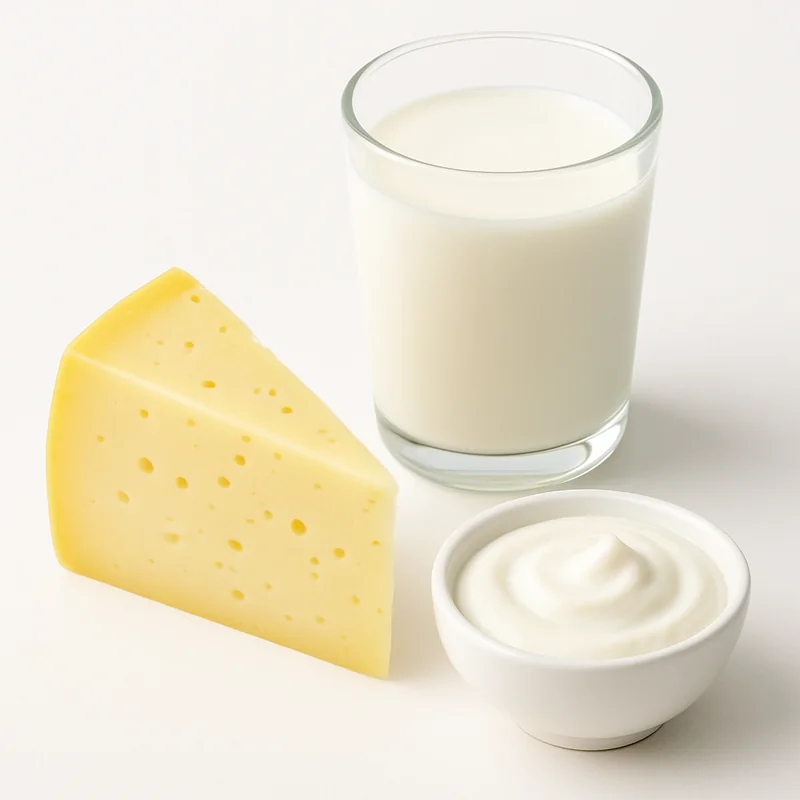
What is Mozzarella actually covering?
See which nutrients your diet already delivers and which ones your supplements still need to — food and pills measured on the same scale.
Check my nutrients2 questions · free · no account needed to start
Also on iPhone — get the free app
Evidence-based supplement guides, no spam
We send a short digest when new guides drop — nothing else. No affiliate pushes, no sponsored content, unsubscribe anytime.