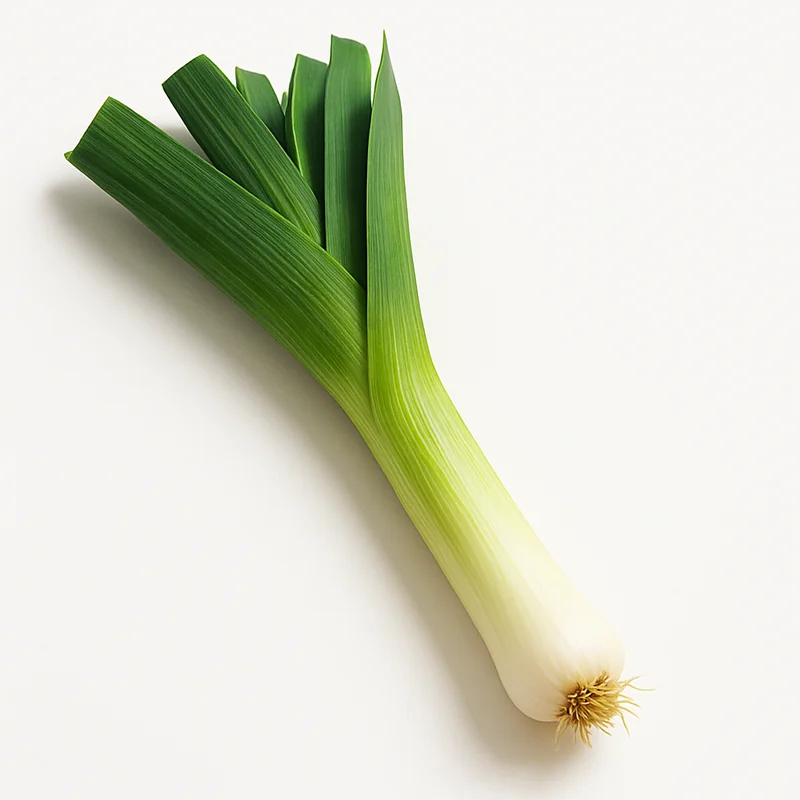
Leek
ScoreA
Leeks are mild-flavored allium vegetables rich in prebiotic fiber and organosulfur compounds that support digestive and cardiovascular health. They provide essential micronutrients including vitamin K, folate, and potassium with minimal caloric density.
Why Leek scores 86
% Daily Value per ½ cup (85 g)
Nutrition
per 100 g
Health benefits
Prebiotic fiber support for gut microbiome diversity and short-chain fatty acid production
strong evidenceInulin and fructooligosaccharides in leeks pass undigested to the colon, where beneficial bacteria ferment them into butyrate and other short-chain fatty acids that strengthen the intestinal barrier and reduce systemic inflammation
Cardiovascular protection through organosulfur compounds and potassium
moderate evidenceThiosulfides in leeks modulate platelet aggregation and endothelial function, while 180mg potassium per 100g supports healthy blood pressure regulation independent of sodium
Anti-inflammatory and antioxidant effects via kaempferol flavonoids
moderate evidenceKaempferol suppresses NF-κB signaling pathways and reduces TNF-α production, lowering chronic systemic inflammation linked to aging and chronic disease
Bone health support through vitamin K-dependent protein activation
moderate evidence47 mcg of vitamin K per 100g activates osteocalcin and matrix Gla-protein, which direct calcium to bone matrix rather than soft tissue calcification
Detoxification support through enhanced Phase I and Phase II enzyme activity
emerging evidenceOrganosulfur compounds upregulate glutathione S-transferase and other detoxification enzymes, improving clearance of xenobiotics and metabolic waste
Pairs well with
- ·Pair leeks with fermented foods (sauerkraut, kefir, tempeh) because the prebiotic inulin in leeks feeds the beneficial bacteria and enzymes already present in fermented foods, amplifying probiotic colonization
- ·Combine leeks with leafy greens (spinach, kale) because both provide complementary fat-soluble vitamins (K, A); prepare together with olive oil to enhance absorption of these fat-soluble compounds
- ·Pair leeks with turmeric and black pepper in soups or broths because curcumin's anti-inflammatory effects synergize with leek flavonoids, and piperine increases curcumin bioavailability
- ·Combine leeks with sulfur-rich cruciferous vegetables (broccoli, cauliflower) because both activate detoxification pathways and provide complementary glucosinolates for Phase II enzyme support
Practical tips
- ·Best timing: Leeks contain no stimulating compounds and their prebiotic benefits accrue throughout the day as fiber reaches the colon. They are equally beneficial at lunch or dinner. Morning consumption supports stable blood sugar and satiety; evening consumption is well-tolerated given low FODMAP content once properly cooked.
- ·Store leeks upright in a jar with 1 inch of water in the refrigerator; they will keep for 2-3 weeks and continue to develop flavor complexity
- ·Slice leeks lengthwise and rinse thoroughly between layers to remove soil and sand; white and light-green portions are tender enough for raw salads or light sautéing, while darker green tops are ideal for stocks and braises
- ·Consume leeks with their skin on or in broths to maximize inulin and prebiotic fiber retention; cooking leeks slowly over low heat (rather than high-heat searing) preserves heat-sensitive organosulfur compounds
- ·Prepare leek broth by simmering cleaned leek trimmed ends and green tops with water for 20-30 minutes to extract prebiotic fiber and minerals; refrigerate and use as a base for soups and grains
- ·Pair leek consumption with adequate hydration; the prebiotic fiber requires sufficient water to support healthy fermentation in the colon and prevent digestive distress
Related foods
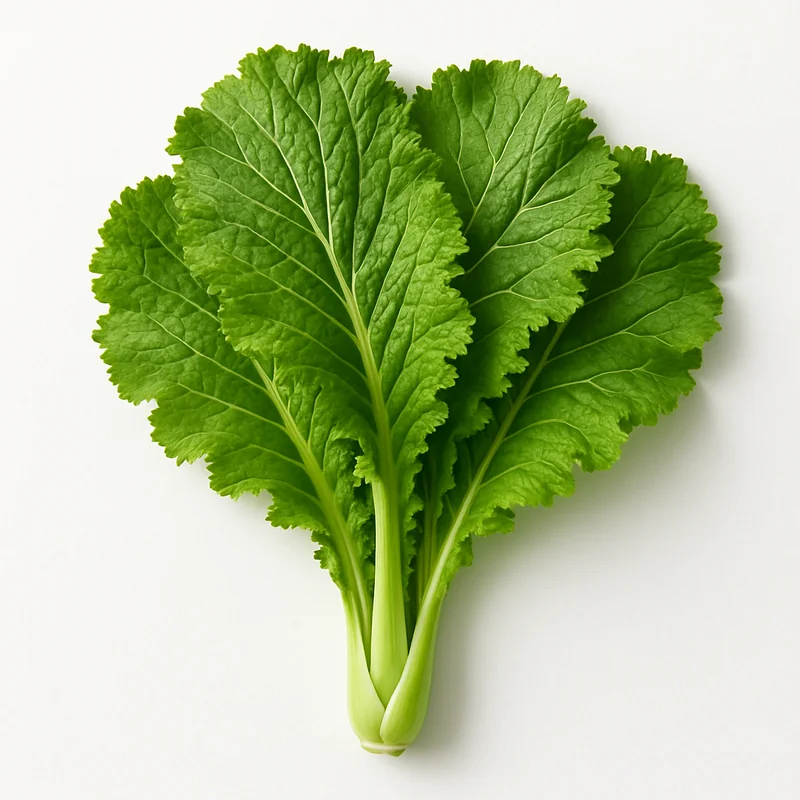
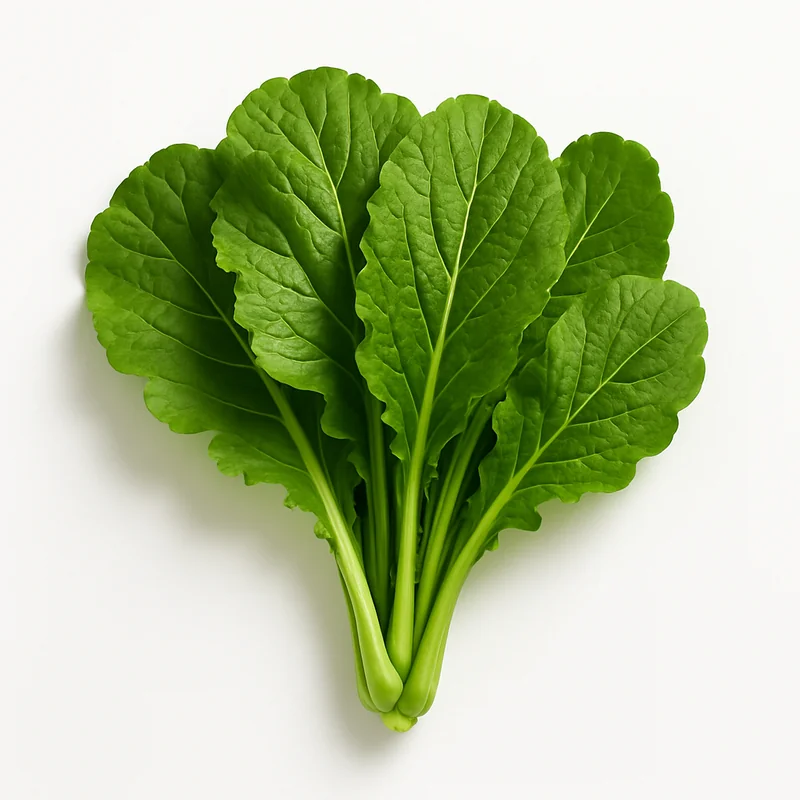
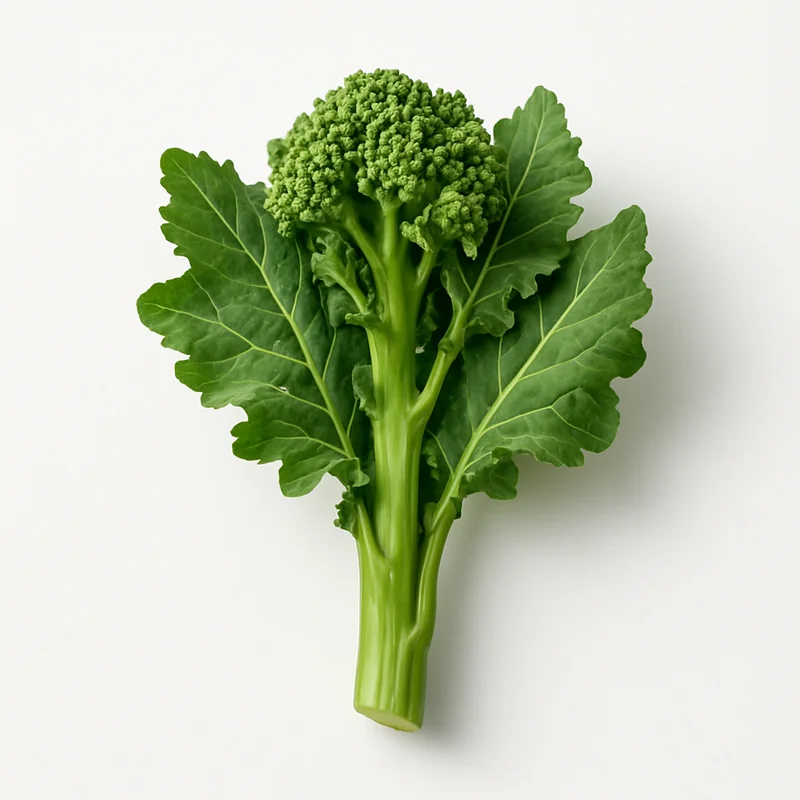
What is Leek actually covering?
See which nutrients your diet already delivers and which ones your supplements still need to — food and pills measured on the same scale.
Check my nutrients2 questions · free · no account needed to start
Also on iPhone — get the free app
Evidence-based supplement guides, no spam
We send a short digest when new guides drop — nothing else. No affiliate pushes, no sponsored content, unsubscribe anytime.