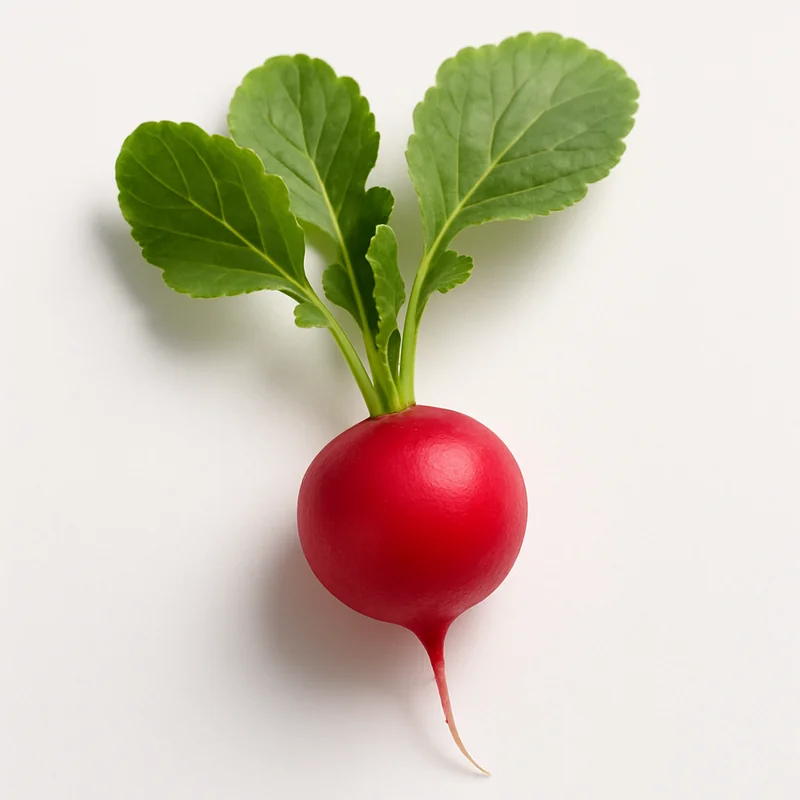
Radish Seed
ScoreA
Radish seeds are nutrient-dense sprouts rich in glucosinolates and essential minerals, offering concentrated phytonutrient benefits with minimal calories. They are commonly used as microgreens or sprouted for enhanced bioavailability of nutrients.
Why Radish Seed scores 77
% Daily Value per ½ cup (85 g)
Nutrition
per 100 g
Health benefits
Enhanced cellular detoxification and antioxidant defense
moderate evidenceGlucosinolates convert to isothiocyanates, which activate Nrf2 pathway genes encoding Phase II detoxification enzymes like glutathione S-transferases and NAD(P)H quinone oxidoreductase, enhancing the body's antioxidant response
Improved bone mineral density and skeletal health
moderate evidenceHigh phosphorus content (113mg/100g) and folate support osteoblast function and collagen cross-linking, while folate reduces homocysteine levels that impair bone remodeling
Anti-inflammatory and potential anti-cancer properties
emerging evidenceIsothiocyanates inhibit histone deacetylases and NF-κB signaling, reducing systemic inflammation and suppressing proliferation of cancer cells in preclinical models
Cardiovascular and metabolic support
moderate evidencePolyunsaturated fats promote healthy lipid profiles, while niacin supports NAD+ metabolism critical for mitochondrial function and vascular endothelial health
Enhanced DNA synthesis and cellular repair
strong evidenceFolate (95mcg/100g) serves as methyl donor in one-carbon metabolism, essential for nucleotide synthesis and epigenetic regulation of longevity-associated genes
Pairs well with
- ·Pair with vitamin C-rich foods (citrus, bell peppers, cruciferous vegetables) to enhance isothiocyanate bioavailability and strengthen antioxidant synergy through complementary redox pathways
- ·Combine with fat sources (olive oil, avocado, nuts) to enhance absorption of fat-soluble compounds and increase glucosinolate conversion efficiency in the digestive tract
- ·Pair with selenium-containing foods (Brazil nuts, eggs, mushrooms) to maximize glutathione peroxidase activity and amplify Phase II detoxification enzyme expression
- ·Combine with cruciferous vegetables (broccoli, cabbage, Brussels sprouts) for additive isothiocyanate content and complementary phytonutrient profiles targeting multiple detoxification pathways
Practical tips
- ·Best timing: Radish seeds contain no caffeine or stimulants and can be incorporated into any meal; however, consuming with other foods enhances glucosinolate conversion and mineral absorption due to synergistic digestive processes
- ·Sprout radish seeds at home for 3-5 days to increase enzyme activity, vitamin K content, and glucosinolate concentration up to 50% compared to unsprouted seeds
- ·Chew or lightly process radish seeds before consumption to rupture cell membranes and trigger myrosinase enzyme activation, converting glucosinolates into bioactive isothiocyanates
- ·Store dried radish seeds in a cool, dark place in airtight containers to preserve glucosinolate stability; sprouted seeds should be refrigerated and consumed within 2-3 days
- ·Add radish seed sprouts to fresh salads, grain bowls, or as a garnish after cooking to preserve heat-sensitive isothiocyanates and maximize enzymatic potential
- ·Start with small quantities (1-2 tablespoons) when first incorporating radish seeds to allow digestive adjustment to sulfur compounds and glucosinolates
Related foods
What is Radish Seed actually covering?
See which nutrients your diet already delivers and which ones your supplements still need to — food and pills measured on the same scale.
Check my nutrients2 questions · free · no account needed to start
Also on iPhone — get the free app
Evidence-based supplement guides, no spam
We send a short digest when new guides drop — nothing else. No affiliate pushes, no sponsored content, unsubscribe anytime.