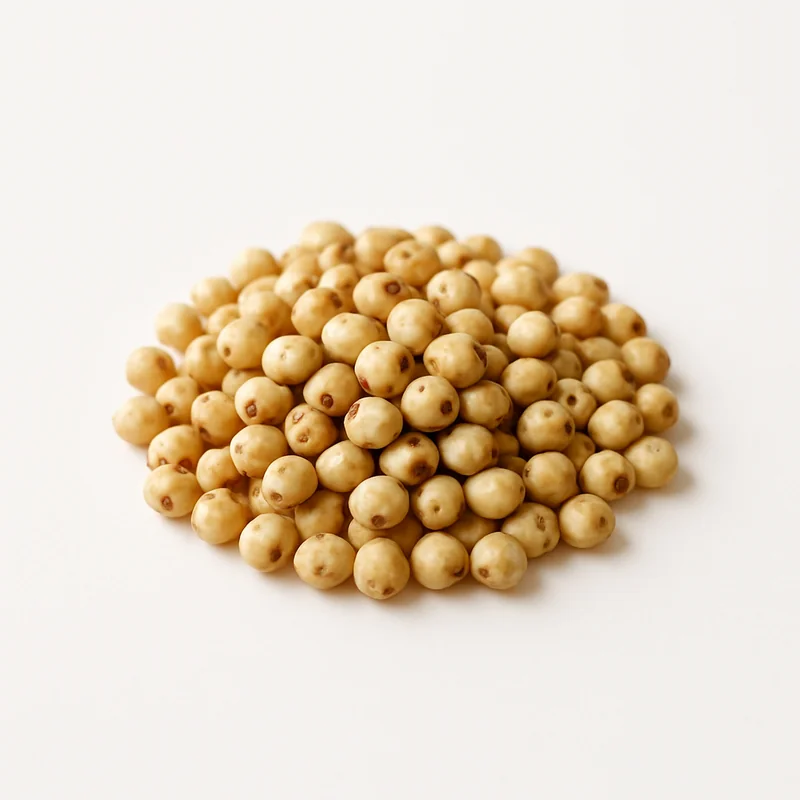
Sorghum
ScoreA
Sorghum is a drought-tolerant whole grain rich in fiber, antioxidants, and minerals, offering unique benefits for blood sugar control and digestive health.
Why Sorghum scores 78
% Daily Value per ½ cup (50 g)
Nutrition
per 100 g
Health benefits
Improved glycemic control and reduced diabetes risk
moderate evidenceHigh fiber content and resistant starch slow glucose absorption, reducing postprandial blood sugar spikes and supporting insulin sensitivity
Enhanced antioxidant status and reduced inflammation
moderate evidenceRich polyphenols (phenolic acids, tannins) neutralize free radicals and inhibit pro-inflammatory cytokine production
Improved digestive health and microbiome support
moderate evidenceHigh fiber and resistant starch serve as prebiotics, promoting growth of beneficial gut bacteria and short-chain fatty acid production
Bone health and mineral bioavailability
strong evidenceHigh manganese content supports osteoblast function and collagen cross-linking; phosphorus and magnesium essential for bone mineralization
Iron absorption and hemoglobin synthesis
strong evidenceProvides 3.9mg bioavailable iron per 100g; when paired with vitamin C sources, enhances non-heme iron absorption for oxygen transport
Pairs well with
- ·Pair with citrus (lemon, orange) or tomatoes because vitamin C enhances non-heme iron absorption from sorghum by up to 3-4 fold
- ·Combine with legumes (lentils, chickpeas) because together they create a complete amino acid profile, improving protein quality and satiety
- ·Mix with turmeric and black pepper because curcumin's bioavailability increases with piperine, and both support anti-inflammatory synergy with sorghum's polyphenols
- ·Serve with fermented foods (yogurt, tempeh, miso) because probiotics enhance mineral bioavailability and support polyphenol metabolism
Practical tips
- ·Best timing: midday
- ·Soak sorghum for 12-24 hours before cooking to reduce phytic acid content, which can inhibit mineral absorption; this increases bioavailability of iron, zinc, and magnesium by 20-50%
- ·Cook sorghum with a pinch of salt and 1:3 grain-to-water ratio for 45-60 minutes until grains are tender but retain texture; pressure cooking reduces time to 15-20 minutes while preserving nutrients
- ·Store whole grain sorghum in airtight containers in cool, dry conditions; the grain's natural oils resist rancidity, allowing 6-12 month shelf life without refrigeration
- ·Choose hull-intact sorghum varieties (red, brown, black) over white sorghum, as they retain higher polyphenol concentrations in the bran layer
- ·Use sorghum flour in a 3:1 ratio with regular flour in baking to maintain texture while increasing fiber and antioxidant content without gluten
Related foods
What is Sorghum actually covering?
See which nutrients your diet already delivers and which ones your supplements still need to — food and pills measured on the same scale.
Check my nutrients2 questions · free · no account needed to start
Also on iPhone — get the free app
Evidence-based supplement guides, no spam
We send a short digest when new guides drop — nothing else. No affiliate pushes, no sponsored content, unsubscribe anytime.