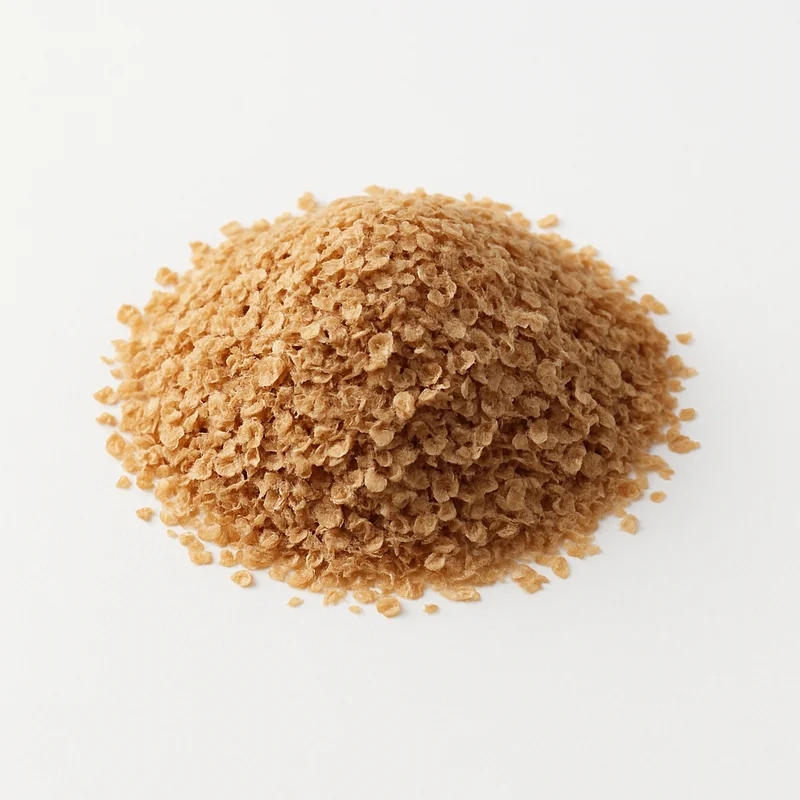
Wheat Bran
ScoreA+
Wheat bran is the nutrient-dense outer layer of the wheat kernel, exceptionally high in fiber (42.8g per 100g) and rich in B vitamins, minerals, and phytonutrients that support digestive and metabolic health.
Why Wheat Bran scores 94
% Daily Value per 1 oz (30 g)
Nutrition
per 100 g
Health benefits
Improved digestive health and reduced colorectal cancer risk
strong evidenceHigh insoluble fiber (majority of the 42.8g) increases stool bulk, accelerates intestinal transit, and promotes production of short-chain fatty acids (butyrate) by beneficial bacteria, which strengthens the gut barrier and reduces carcinogenic compound exposure
Enhanced glycemic control and reduced type 2 diabetes risk
strong evidenceInsoluble fiber slows gastric emptying and glucose absorption; soluble fiber increases viscosity in the small intestine, reducing postprandial blood glucose spikes and improving insulin sensitivity
Improved lipid profile and cardiovascular protection
moderate evidenceBran fiber binds cholesterol and bile acids, increasing fecal excretion; phenolic compounds exhibit anti-inflammatory and antioxidant effects that reduce LDL oxidation and endothelial dysfunction
Enhanced antioxidant status and reduced systemic inflammation
moderate evidenceAlkylresorcinols and phenolic acids in wheat bran scavenge reactive oxygen species and modulate inflammatory cytokine production; selenium supports glutathione peroxidase enzyme activity
Bone health support via mineral density
moderate evidenceHigh magnesium (611mg), phosphorus (1013mg), and potassium content support bone mineral density maintenance and acid-base balance; magnesium is essential for osteoblast function
Pairs well with
- ·Pair with vitamin C-rich foods (citrus, kiwi, bell peppers) to enhance iron absorption and counteract phytate-mediated mineral binding
- ·Combine with omega-3 rich foods (flaxseeds, walnuts, fatty fish) to enhance anti-inflammatory synergy and improve bioavailability of fat-soluble compounds
- ·Mix with yogurt or kefir to promote prebiotic-probiotic synergy, feeding beneficial microbiota while providing live cultures for microbiome diversity
- ·Pair with calcium-rich foods (leafy greens, dairy, fortified plant milks) to ensure adequate calcium intake despite bran's phytate content
Practical tips
- ·Best timing: morning
- ·Start with 1-2 tablespoons daily and gradually increase to 3-4 tablespoons over 2-3 weeks to allow gut microbiota adaptation and minimize bloating; rapid increases cause digestive distress
- ·Store in an airtight container in a cool, dry place or refrigerate after opening to prevent rancidity of the small fat content; use within 3 months for optimal freshness
- ·Soak wheat bran in water, plant milk, or yogurt for 15-20 minutes before consumption to reduce phytate content by 20-30% and improve mineral bioavailability
- ·Consume with adequate water (8-10 glasses daily) to maximize fiber benefits; insufficient hydration can cause constipation despite high fiber intake
- ·Mix into oatmeal, smoothies, or yogurt rather than consuming alone to improve palatability and ensure adequate fluid consumption
Related foods
What is Wheat Bran actually covering?
See which nutrients your diet already delivers and which ones your supplements still need to — food and pills measured on the same scale.
Check my nutrients2 questions · free · no account needed to start
Also on iPhone — get the free app
Evidence-based supplement guides, no spam
We send a short digest when new guides drop — nothing else. No affiliate pushes, no sponsored content, unsubscribe anytime.