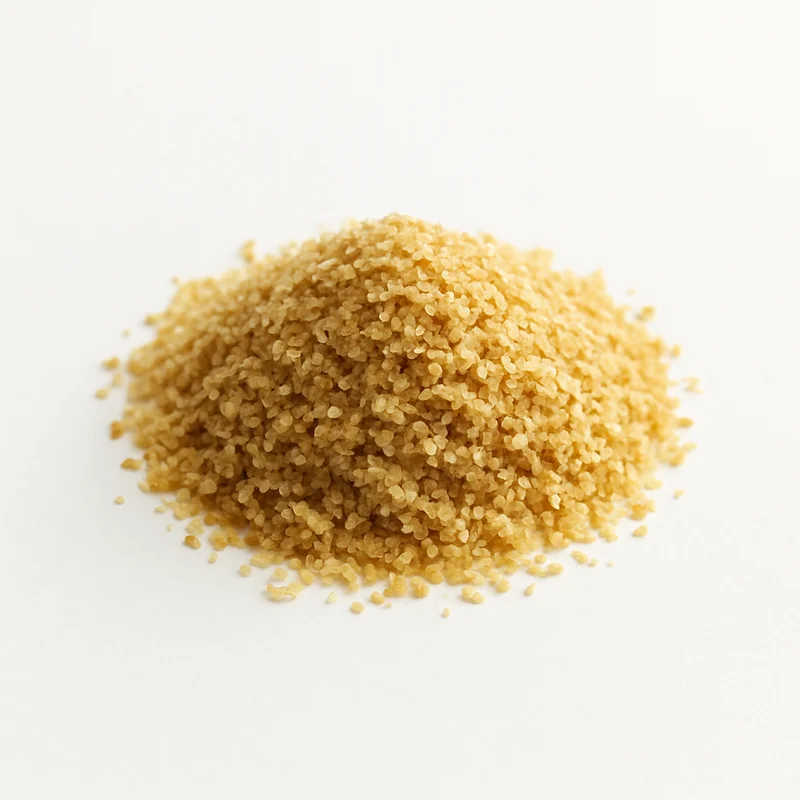
Wheat Germ
ScoreA+
Wheat germ is the nutrient-dense embryo of the wheat kernel, rich in plant-based protein, fiber, and essential micronutrients. It serves as a concentrated source of B vitamins, minerals, and bioactive compounds supporting metabolic health and longevity.
Why Wheat Germ scores 95
% Daily Value per ½ cup (50 g)
Nutrition
per 100 g
Health benefits
Enhanced antioxidant defense and reduced oxidative stress
moderate evidenceSelenium and vitamin E act as cofactors for antioxidant enzymes (glutathione peroxidase, superoxide dismutase), while polyphenols including ferulic acid directly neutralize free radicals and reduce inflammatory markers
Improved bone health and mineral density
moderate evidenceHigh magnesium, phosphorus, and manganese content supports bone matrix formation and mineralization; magnesium also regulates parathyroid hormone function and calcium homeostasis
Cardiovascular health support through lipid management
moderate evidencePlant-based polyunsaturated fats, fiber, and folate work synergistically to reduce LDL oxidation, lower homocysteine levels, and improve endothelial function
Enhanced DNA repair and genomic stability
strong evidenceFolate (281 mcg per 100g) serves as methyl donor for DNA synthesis and methylation; zinc supports DNA polymerase and repair enzyme function; selenium incorporates into selenoproteins involved in DNA damage response
Improved glucose regulation and metabolic health
moderate evidenceHigh fiber content (13.2g) slows glucose absorption and feeds beneficial gut microbiota; chromium and magnesium enhance insulin sensitivity and glucose metabolism
Pairs well with
- ·Pair with citrus fruits (orange, lemon) because vitamin C enhances absorption of non-heme iron and supports collagen synthesis alongside wheat germ's copper and vitamin C content
- ·Combine with Greek yogurt or kefir because the calcium and live probiotics enhance mineral bioavailability and create a complete amino acid profile with superior protein quality
- ·Mix into smoothies with berries because anthocyanins and polyphenols from berries amplify the antioxidant synergy with wheat germ's tocopherols and selenium
- ·Sprinkle on fatty fish (salmon, mackerel) because omega-3 fatty acids reduce inflammation while wheat germ's selenium and B vitamins optimize omega-3 incorporation into cell membranes
Practical tips
- ·Best timing: morning
- ·Store wheat germ in an airtight container in the refrigerator or freezer (shelf life 2-3 weeks at room temperature, 4-6 months frozen) because its high polyunsaturated fat content makes it susceptible to rancidity from oxidation
- ·Start with 1-2 tablespoons (14-28g) per day and increase gradually; wheat germ is calorie and fiber-dense, so larger portions may cause digestive discomfort in unaccustomed individuals
- ·Choose raw or lightly toasted wheat germ over heavily roasted varieties to preserve heat-sensitive vitamin E and B vitamins; avoid products with added sugars or oils
- ·Incorporate into oatmeal, yogurt parfaits, or smoothie bowls rather than consuming alone; the food matrix improves nutrient absorption and satiety when combined with other whole foods
- ·Verify freshness by smell before purchase—rancid wheat germ has a noticeably unpleasant odor indicating oxidation of polyunsaturated fats
Related foods
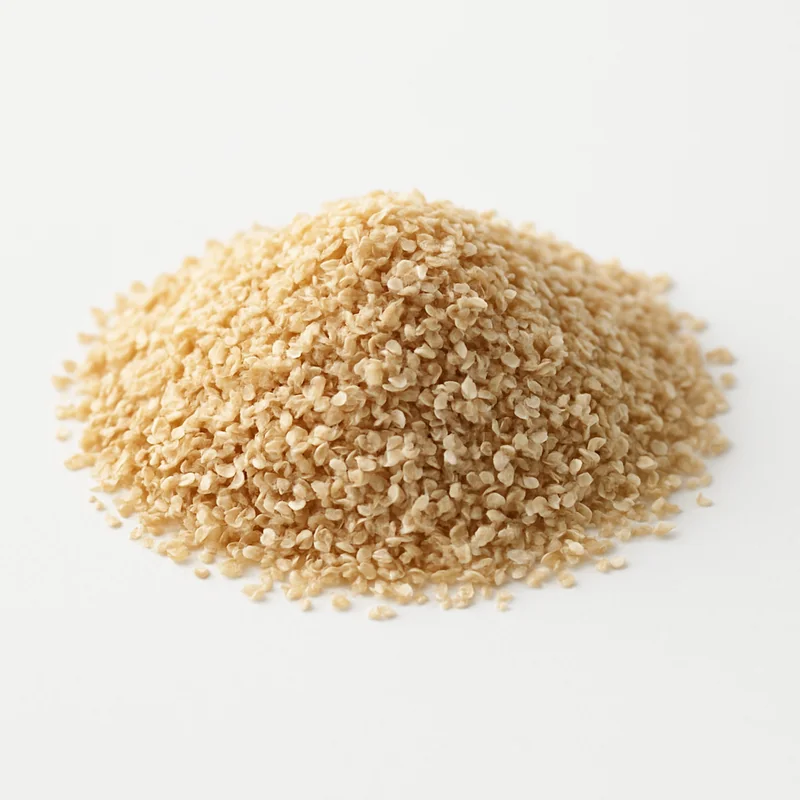
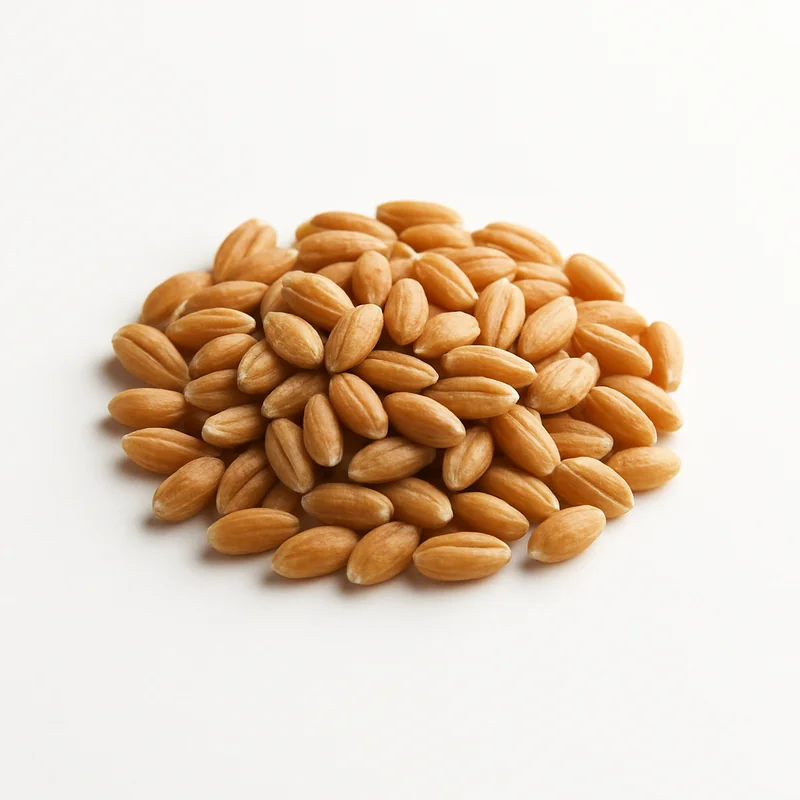
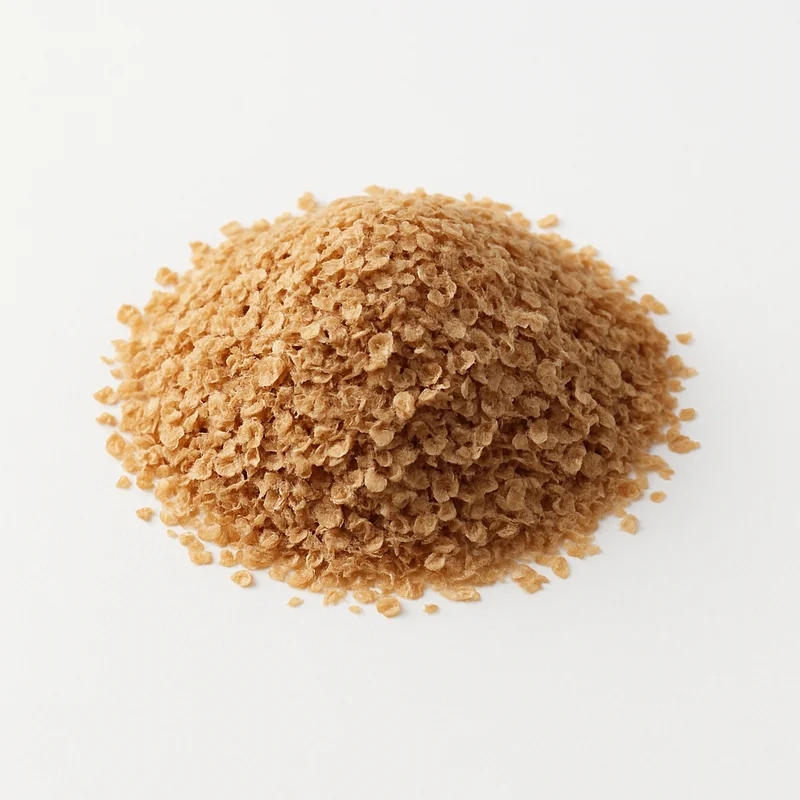

What is Wheat Germ actually covering?
See which nutrients your diet already delivers and which ones your supplements still need to — food and pills measured on the same scale.
Check my nutrients2 questions · free · no account needed to start
Also on iPhone — get the free app
Evidence-based supplement guides, no spam
We send a short digest when new guides drop — nothing else. No affiliate pushes, no sponsored content, unsubscribe anytime.