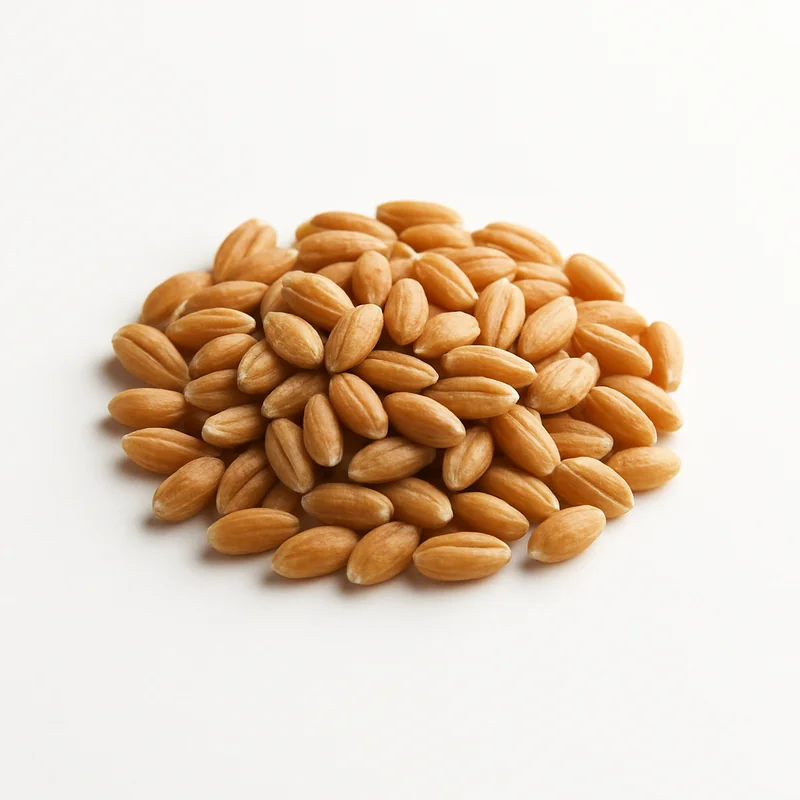
Wheat
ScoreA+
Wheat is a nutrient-dense whole grain rich in fiber, plant-based protein, and B vitamins, serving as a dietary staple for sustained energy and metabolic health.
Why Wheat scores 94
% Daily Value per ½ cup (50 g)
Nutrition
per 100 g
Health benefits
Supports healthy blood glucose control and reduces type 2 diabetes risk
strong evidenceHigh fiber content slows carbohydrate digestion and glucose absorption; resistant starch formed when whole wheat cools improves insulin sensitivity and reduces postprandial glucose spikes
Promotes cardiovascular health and reduces heart disease risk
strong evidenceSoluble fiber binds cholesterol, reducing LDL; polyphenols in wheat bran provide anti-inflammatory effects; high potassium and magnesium support healthy blood pressure
Supports gut microbiome health and digestive longevity
strong evidenceInsoluble fiber feeds beneficial bacteria species; prebiotic polysaccharides promote short-chain fatty acid production, strengthening intestinal barrier integrity
Enhances cognitive function and supports brain aging
moderate evidenceFolate and choline are essential methyl donors for neuronal myelin formation and neurotransmitter synthesis; B vitamins support mitochondrial energy production in neurons
Provides antioxidant protection against cellular aging
moderate evidenceSelenium functions as a cofactor for glutathione peroxidase, a primary cellular antioxidant enzyme; lignans and phenolic acids neutralize oxidative stress
Pairs well with
- ·Pair whole wheat with legumes (lentils, beans) to create complete protein profiles containing all 9 essential amino acids, enhancing muscle protein synthesis in aging
- ·Combine wheat with leafy greens (spinach, kale) to enhance iron absorption via vitamin C, maximizing bioavailability of wheat's 3.6mg iron per 100g
- ·Pair with olive oil or nuts to improve absorption of wheat's fat-soluble micronutrients and polyphenols; dietary fat enhances bioavailability of grain phytochemicals
- ·Combine with fermented foods (yogurt, kefir, tempeh) to enhance probiotic colonization and support the prebiotic fiber's effect on beneficial bacteria
Practical tips
- ·Best timing: midday
- ·Purchase and consume whole grain wheat products (whole wheat bread, berries, flour) rather than refined wheat; the bran and germ contain 80% of micronutrient density
- ·Cool cooked whole wheat grains or bread in the refrigerator for 12+ hours to maximize resistant starch formation, which improves glucose response
- ·Store whole wheat flour in airtight containers in the freezer (up to 6 months) or refrigerator (up to 3 months) to prevent oxidation of beneficial polyunsaturated fats in the germ
- ·Soak whole wheat grains overnight or sprouted them to reduce phytic acid, a mineral-binding compound that can inhibit zinc and iron absorption
- ·Aim for 40-50g whole wheat fiber daily from multiple whole grain sources to maximize cardiovascular and metabolic benefits without gastrointestinal distress
Related foods
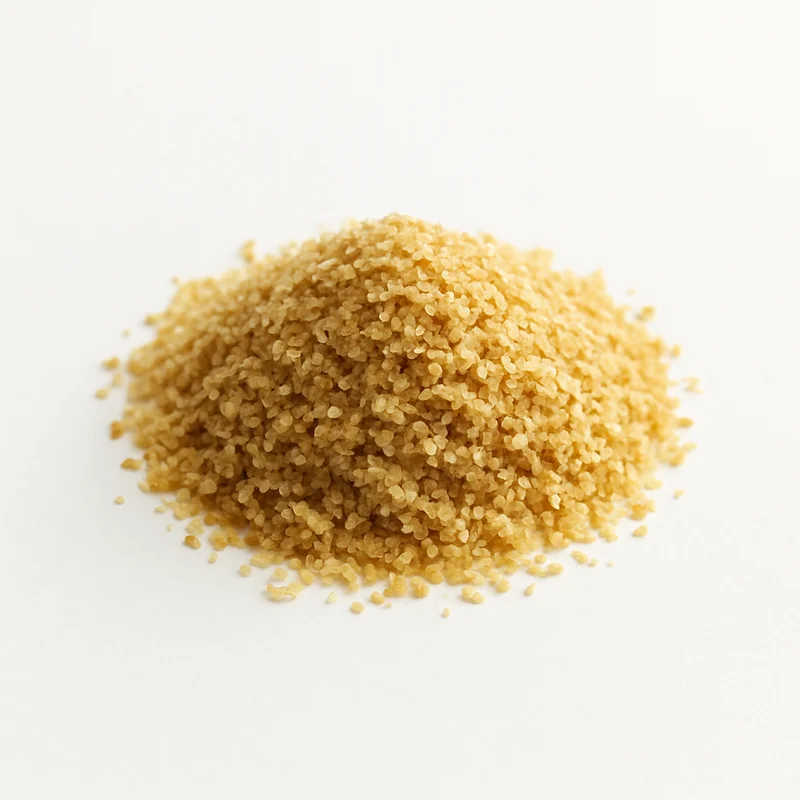
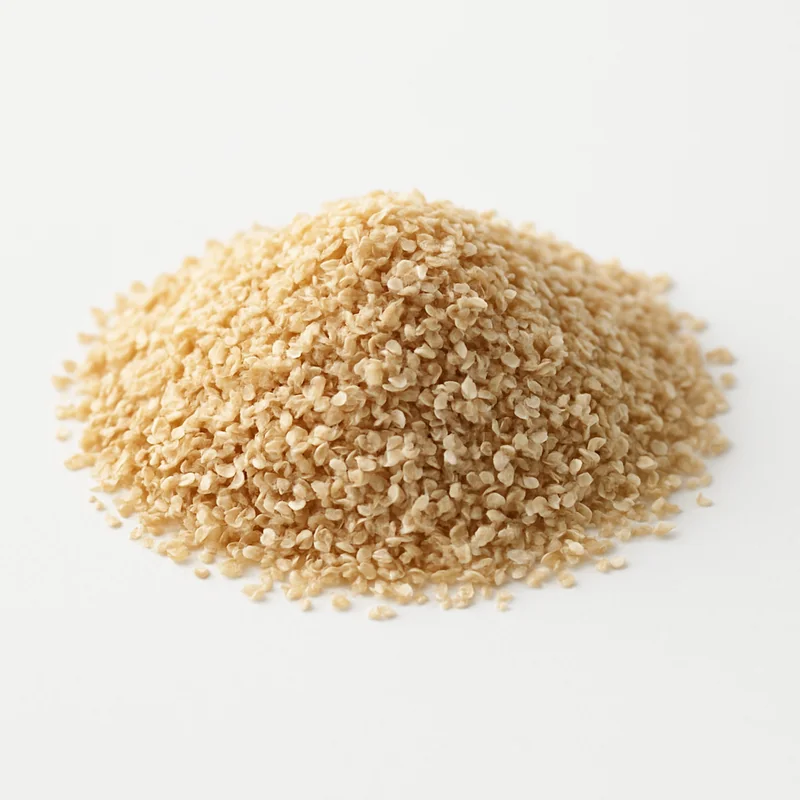
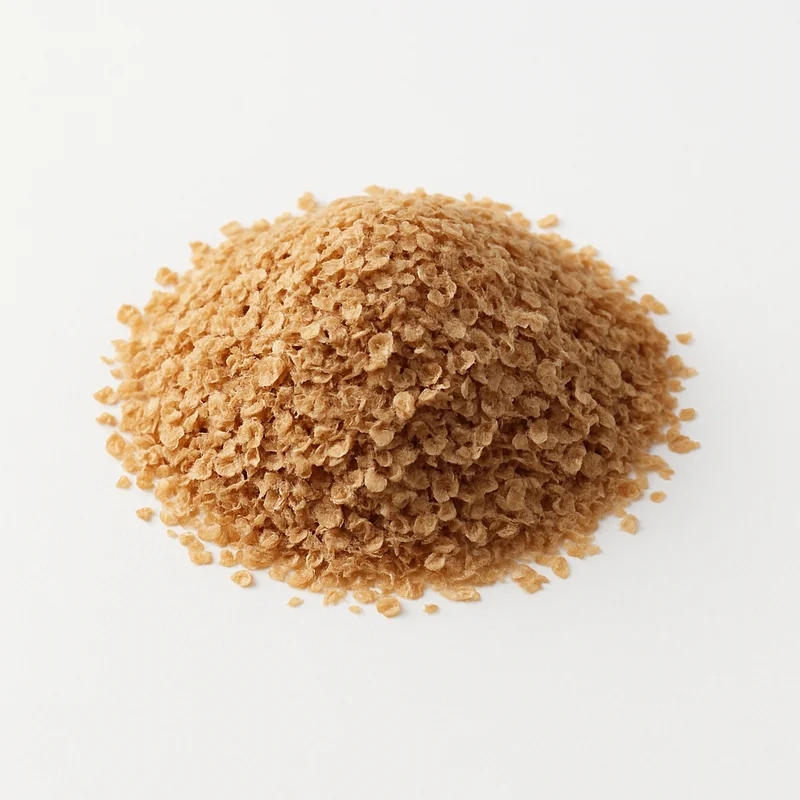

What is Wheat actually covering?
See which nutrients your diet already delivers and which ones your supplements still need to — food and pills measured on the same scale.
Check my nutrients2 questions · free · no account needed to start
Also on iPhone — get the free app
Evidence-based supplement guides, no spam
We send a short digest when new guides drop — nothing else. No affiliate pushes, no sponsored content, unsubscribe anytime.