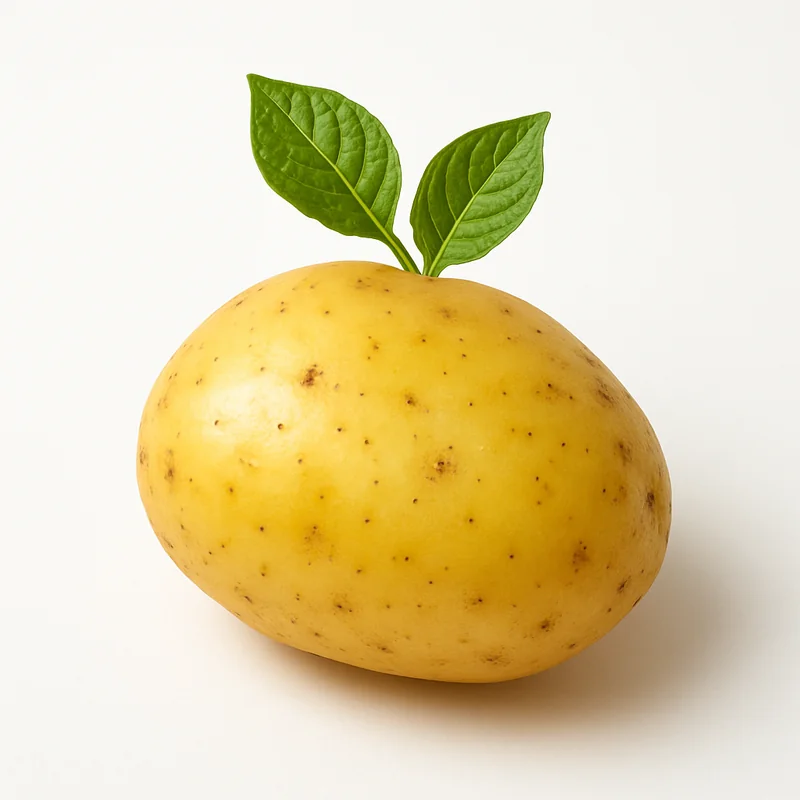
Potato
ScoreA
Potatoes are starchy tubers rich in potassium, vitamin B6, and resistant starch when cooled, making them a nutrient-dense carbohydrate source with emerging longevity benefits.
Why Potato scores 76
% Daily Value per ½ cup (85 g)
Nutrition
per 100 g
Health benefits
Enhanced gut microbiome health and improved insulin sensitivity
moderate evidenceResistant starch formed when cooked potatoes cool feeds beneficial bacteria and reduces glucose absorption, improving blood sugar regulation and metabolic flexibility
Cardiovascular disease risk reduction
moderate evidenceHigh potassium content (535 mg/100g) supports healthy blood pressure regulation by counteracting sodium and promoting vasodilation, while resistant starch reduces inflammation markers
Enhanced satiety and weight management support
moderate evidencePotatoes rank highest on satiety index among common foods due to protein-starch ratio and resistant starch, promoting longer-lasting fullness and reduced subsequent calorie intake
Brain health through choline and vitamin B6
emerging evidenceVitamin B6 (0.31 mg/100g) supports neurotransmitter synthesis and homocysteine metabolism, while potatoes provide choline precursors important for acetylcholine production and cognitive function
Antioxidant and anti-inflammatory support from polyphenols
emerging evidenceColored potato varieties (purple, red) contain anthocyanins and chlorogenic acid that reduce oxidative stress and inflammation implicated in aging processes
Pairs well with
- ·Pair with olive oil because fat-soluble vitamin absorption is enhanced, and polyphenol bioavailability increases with lipid presence
- ·Combine with cruciferous vegetables (broccoli, Brussels sprouts) because complementary phytonutrient profiles create synergistic antioxidant effects
- ·Serve with fermented foods (sauerkraut, yogurt, kimchi) because resistant starch acts as prebiotic fuel for probiotic bacteria, amplifying gut health benefits
- ·Pair with vitamin C sources (citrus, tomatoes) because vitamin C enhances iron absorption if potatoes are consumed with iron-rich foods, and supports collagen synthesis
Practical tips
- ·Best timing: midday
- ·Cook potatoes whole with skin intact, then refrigerate for at least 24 hours before consumption to maximize resistant starch formation—cooling converts digestible starch to resistant starch
- ·Choose waxy potato varieties (red, fingerling) over floury types (russet) for lower glycemic impact and better resistant starch retention
- ·Boil or steam rather than bake or fry to preserve water-soluble B vitamins and minimize formation of acrylamide (a compound formed at high temperatures)
- ·Include colored varieties (purple, red potatoes) 2-3 times weekly to obtain polyphenol diversity that plain white potatoes don't provide
Related foods
What is Potato actually covering?
See which nutrients your diet already delivers and which ones your supplements still need to — food and pills measured on the same scale.
Check my nutrients2 questions · free · no account needed to start
Also on iPhone — get the free app
Evidence-based supplement guides, no spam
We send a short digest when new guides drop — nothing else. No affiliate pushes, no sponsored content, unsubscribe anytime.