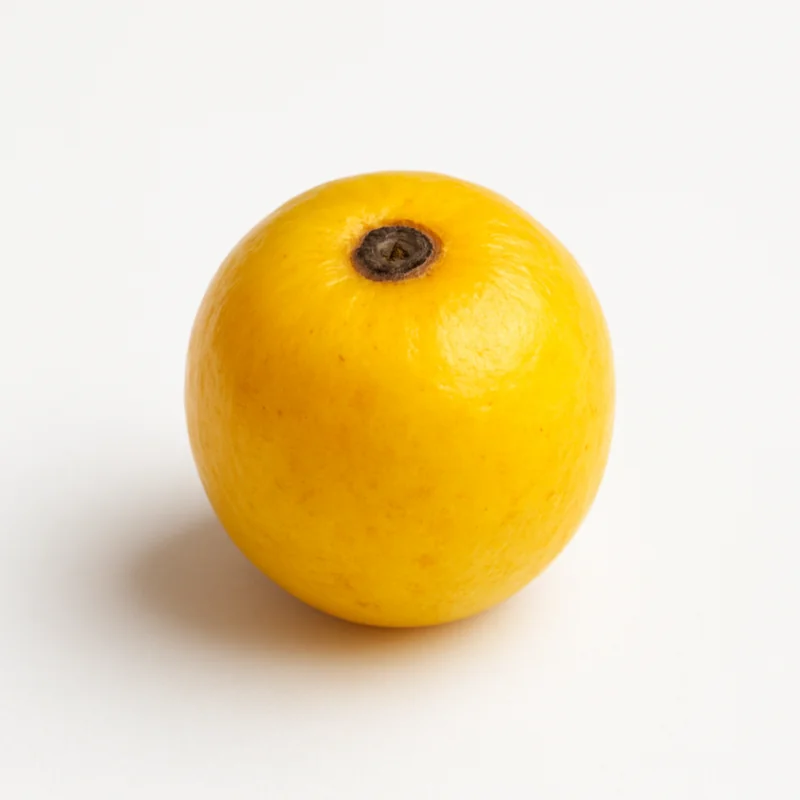
Nance
ScoreB
Nance is a small, yellow tropical fruit native to Central and South America, rich in fiber and potassium with a distinctive tangy flavor. It provides substantial dietary fiber (7g per 100g) and micronutrients while remaining low in calories, making it valuable for metabolic health.
Why Nance scores 67
% Daily Value per 1 medium (140 g)
Nutrition
per 100 g
Health benefits
Supports digestive health and healthy microbiota composition
moderate evidenceHigh fiber content (7g/100g) serves as prebiotic substrate, promoting growth of beneficial bacteria and improving stool regularity while enhancing butyrate production for intestinal barrier integrity
May reduce chronic disease risk through antioxidant activity
emerging evidenceContains ellagic acid and gallic acid polyphenols that scavenge free radicals and modulate oxidative stress pathways implicated in aging and inflammation
Supports cardiovascular health and blood pressure regulation
moderate evidencePotassium content (194mg/100g) supports vasodilation and sodium-potassium balance, while polyphenols may improve endothelial function and reduce arterial stiffness
Promotes stable blood glucose and metabolic health
moderate evidenceHigh fiber-to-carbohydrate ratio slows gastric emptying and glucose absorption, reducing postprandial glycemic spikes and supporting insulin sensitivity
Pairs well with
- ·Pair with nuts (almonds, walnuts) because healthy fats enhance absorption of fat-soluble compounds and slow carbohydrate digestion for improved glycemic response
- ·Combine with probiotic-rich foods (yogurt, kefir, sauerkraut) because nance's prebiotic fiber synergizes with probiotics to establish robust gut microbiota
- ·Mix with leafy greens (spinach, kale) because both foods provide complementary phytonutrients and the vitamin C in nance enhances non-heme iron absorption from greens
- ·Pair with citrus fruits (lime, lemon) because additional polyphenols from citrus increase total antioxidant capacity and enhance flavor complexity
Practical tips
- ·Best timing: Nance's fiber and polyphenol content support sustained digestion and metabolic health throughout the day; mid-morning or early afternoon consumption may optimize prebiotic fiber's effect on afternoon appetite and glucose stability
- ·Select firm nances with unblemished skin and a slight give when gently pressed; avoid soft or discolored fruits indicating overripeness or decay
- ·Store unripe nances at room temperature away from direct sunlight for 2-3 days until they develop a fragrant aroma and yield slightly to pressure; refrigerate ripe fruit for up to 1 week
- ·Consume nance with its skin intact when possible, as the peel contains concentrated polyphenols; if processing, make fresh juice or smoothies to minimize oxidative losses
- ·For maximum fiber retention and digestive benefit, include nance in whole-food preparations rather than strained juices, which remove insoluble fiber
- ·In regions where fresh nance is unavailable, source frozen nance pulp or freeze fresh nances within 24 hours of purchase to preserve bioactive compounds
Related foods
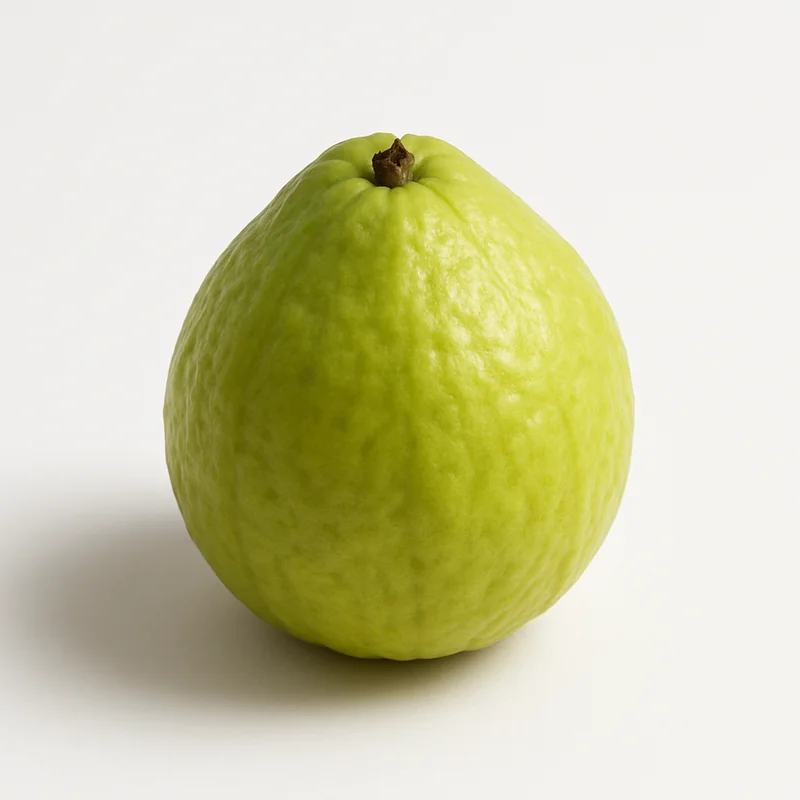



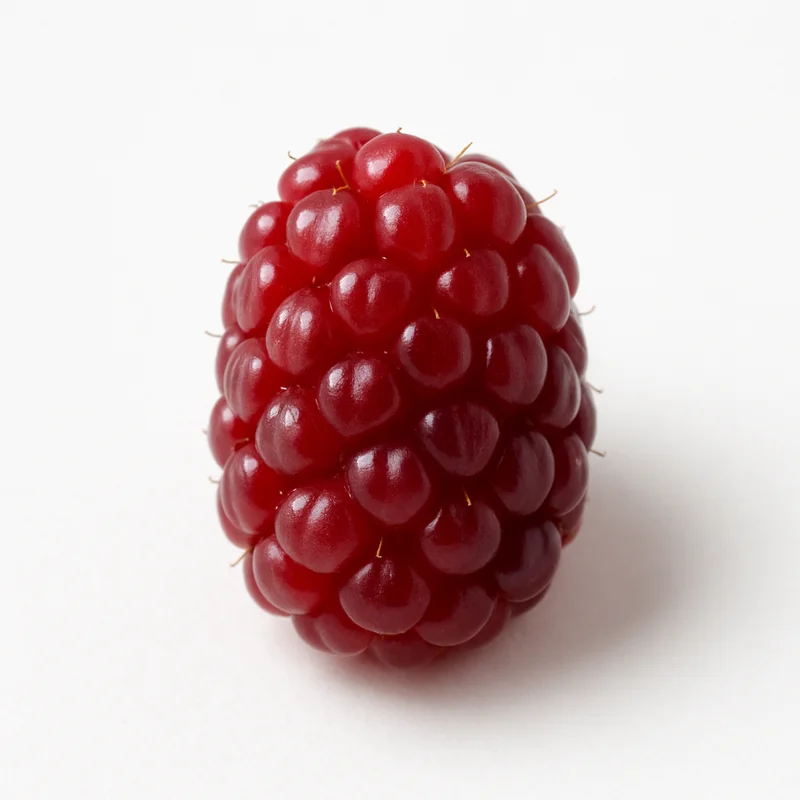
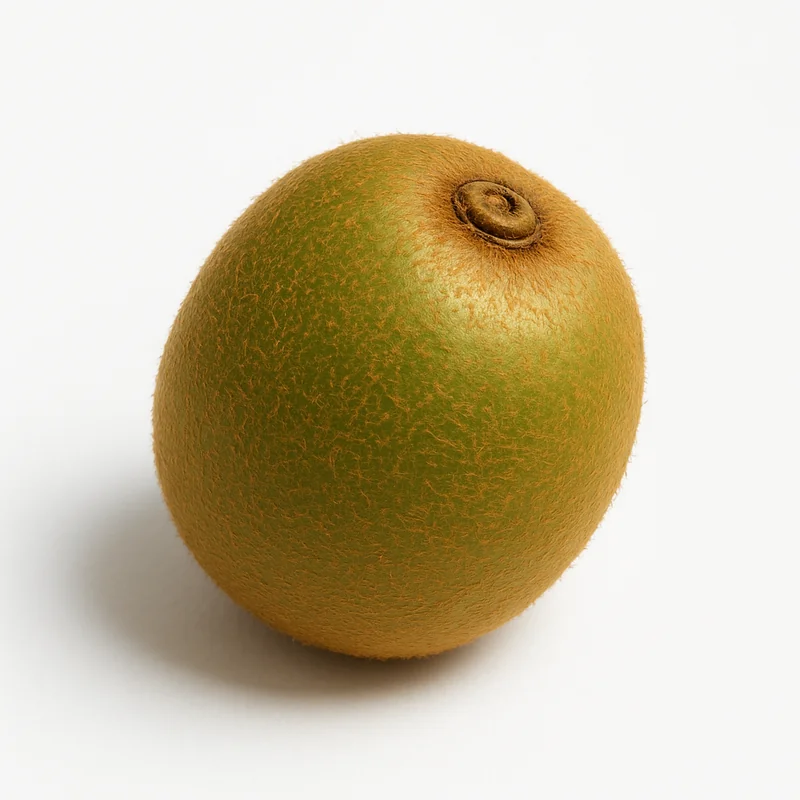
What is Nance actually covering?
See which nutrients your diet already delivers and which ones your supplements still need to — food and pills measured on the same scale.
Check my nutrients2 questions · free · no account needed to start
Also on iPhone — get the free app
Evidence-based supplement guides, no spam
We send a short digest when new guides drop — nothing else. No affiliate pushes, no sponsored content, unsubscribe anytime.