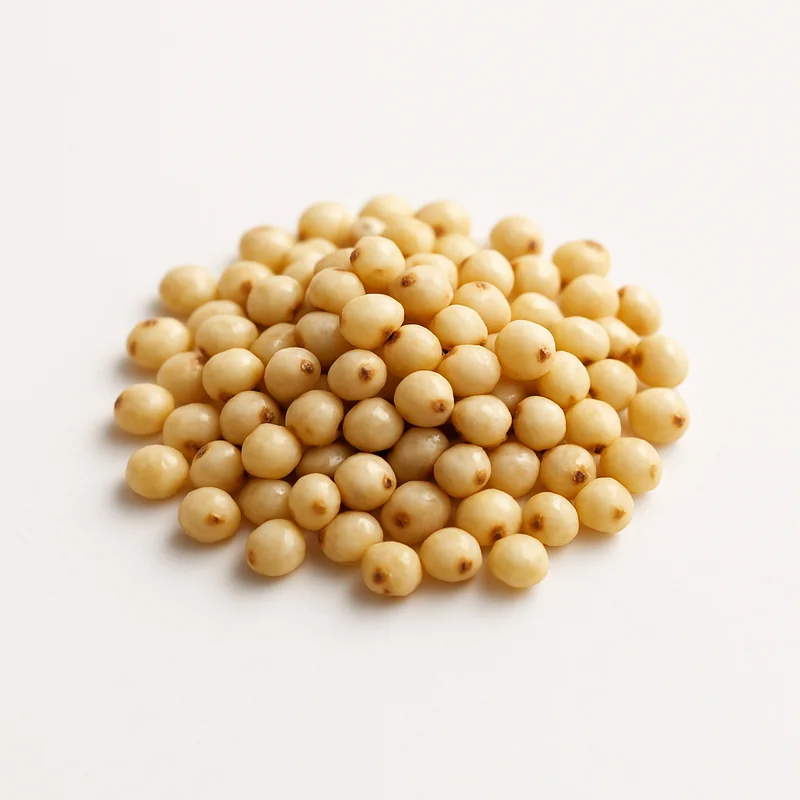
Sorghum Grain
ScoreC
Sorghum is a drought-resistant ancient grain rich in protein, fiber, and polyphenols, offering sustained energy and robust micronutrient density with particular value for gluten-free and metabolic health applications.
Why Sorghum Grain scores 57
% Daily Value per ½ cup (50 g)
Nutrition
per 100 g
Health benefits
Improved blood glucose control and reduced postprandial glycemic response
moderate evidenceHigh fiber content (3.92g/100g) slows carbohydrate digestion and absorption; polyphenols inhibit α-glucosidase enzymes, further reducing glucose spike magnitude
Enhanced antioxidant defense and reduced systemic inflammation
moderate evidenceSorghum polyphenols, especially 3-deoxyanthocyanidins in pigmented varieties, neutralize reactive oxygen species and suppress pro-inflammatory cytokine production
Improved lipid metabolism and cardiovascular risk reduction
moderate evidenceNiacin (2.646mg/100g) and fiber enhance HDL cholesterol and reduce LDL oxidation; polyphenols lower triglyceride synthesis via hepatic pathways
Support for bone health and mineral bioavailability
moderate evidenceManganese (1.178mg/100g) and magnesium (108.9mg/100g) activate osteoblasts and support collagen cross-linking; phosphorus provides structural matrix components
Sustained energy and improved satiety
strong evidenceProtein (10.25g) and fiber combination slows gastric emptying and stabilizes blood glucose, extending satiety duration and reducing subsequent caloric intake
Pairs well with
- ·Pair with legumes (lentils, chickpeas) because sorghum's lysine is complemented by legume methionine, creating complete protein with all essential amino acids
- ·Combine with turmeric and black pepper because curcumin bioavailability increases when consumed with sorghum's fiber, and piperine enhances absorption of sorghum polyphenols
- ·Serve with dark leafy greens (spinach, kale) because sorghum's vitamin C-like compounds and magnesium enhance iron absorption from greens, reducing antinutrient phytate interference
- ·Pair with healthy fats (olive oil, sesame oil, nuts) because fat-soluble polyphenols in sorghum are better absorbed in lipid-rich meals, enhancing antioxidant bioavailability
Practical tips
- ·Best timing: midday
- ·Purchase pigmented sorghum varieties (red, brown, or black) when available; they contain 3-10× higher polyphenol concentrations than white sorghum, maximizing antioxidant intake
- ·Soak whole sorghum grains for 4-8 hours before cooking to reduce phytate content by 30-50%, improving mineral bioavailability while preserving fiber
- ·Store whole sorghum in airtight containers in cool, dark conditions; unlike refined grains, the oil content means whole grain sorghum can turn rancid—use within 3-4 months of purchase
- ·Cook sorghum with a pinch of sea salt and turmeric; the mildly sweet, nutty flavor pairs well with savory applications, and turmeric's curcumin synergizes with sorghum polyphenols for enhanced anti-inflammatory effects
- ·Include sorghum flour in baking at 20-30% substitution rate to retain gluten-free structure while boosting fiber and mineral density without overpowering taste
Related foods
What is Sorghum Grain actually covering?
See which nutrients your diet already delivers and which ones your supplements still need to — food and pills measured on the same scale.
Check my nutrients2 questions · free · no account needed to start
Also on iPhone — get the free app
Evidence-based supplement guides, no spam
We send a short digest when new guides drop — nothing else. No affiliate pushes, no sponsored content, unsubscribe anytime.