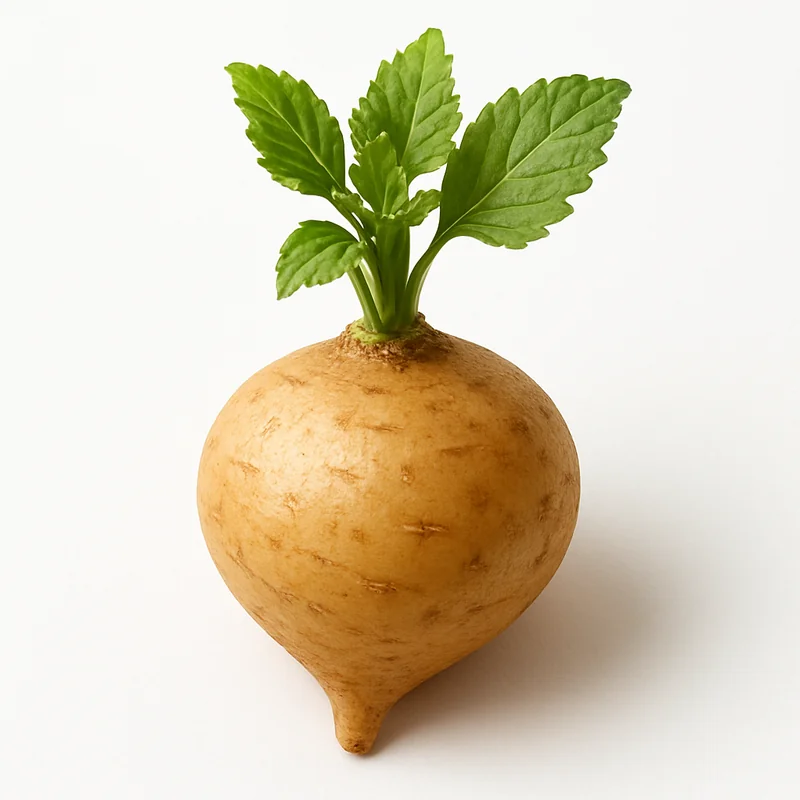
Eppaw
ScoreB
Eppaw is a starchy root vegetable rich in carbohydrates and B vitamins, particularly vitamin B6, making it a nutrient-dense staple food with modest micronutral diversity.
Why Eppaw scores 71
% Daily Value per ½ cup (85 g)
Nutrition
per 100 g
Health benefits
Supports cardiovascular health through homocysteine regulation
strong evidenceVitamin B6 acts as a coenzyme in homocysteine metabolism, converting it to methionine or cysteine, thereby reducing circulating homocysteine levels associated with atherosclerosis risk
Enhances neurological function and cognitive aging resistance
moderate evidenceB6 is essential for neurotransmitter synthesis (serotonin, dopamine, GABA) and myelin formation, supporting synaptic plasticity and neuroprotection
Supports immune system efficiency
moderate evidenceVitamin B6 and zinc both regulate immune cell proliferation and antibody production, critical for maintaining immunosenescence resistance with age
Provides sustained energy with stable glycemic impact
moderate evidenceComplex carbohydrate matrix with resistant starch components offers gradual glucose release, supporting insulin sensitivity and metabolic stability
Maintains bone mineral density through phosphorus and calcium
moderate evidenceBalanced phosphorus-calcium ratio supports hydroxyapatite formation and osteoblast activity essential for bone remodeling throughout aging
Pairs well with
- ·Pair with dark leafy greens (spinach, kale) because vitamin C from greens enhances non-heme iron absorption from eppaw
- ·Combine with legumes (beans, lentils) because together they create a complete protein profile with complementary amino acids, maximizing B6 utilization
- ·Serve with fat sources (olive oil, avocado) because fat-soluble vitamin absorption and satiety are enhanced, and fat slows carbohydrate digestion for glycemic stability
- ·Pair with turmeric or ginger because these compounds provide anti-inflammatory support that complements eppaw's metabolic functions for joint and cardiovascular health
Practical tips
- ·Best timing: midday
- ·Store eppaw in cool, dark, well-ventilated conditions away from moisture to prevent sprouting and mold; proper storage extends shelf life 2-3 weeks
- ·Boil or steam rather than fry to preserve water-soluble B vitamins; avoid prolonged cooking which degrades B6 content by 15-25%
- ·Consume skin when possible (if food-safe variants), as micronutrients concentrate near the surface; wash thoroughly before cooking
- ·Portion control: 100-150g per serving integrates well into balanced meals without excessive caloric load; ideal as a side starch replacing refined grains
Related foods
What is Eppaw actually covering?
See which nutrients your diet already delivers and which ones your supplements still need to — food and pills measured on the same scale.
Check my nutrients2 questions · free · no account needed to start
Also on iPhone — get the free app
Evidence-based supplement guides, no spam
We send a short digest when new guides drop — nothing else. No affiliate pushes, no sponsored content, unsubscribe anytime.