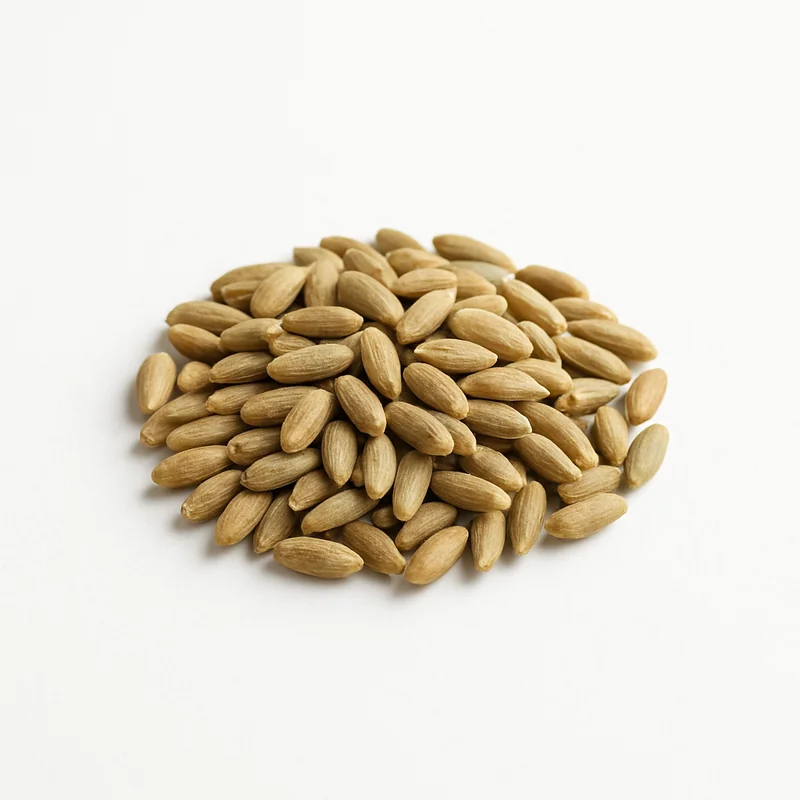
Rye Grain
ScoreA
Rye grain is a hardy cereal crop rich in fiber, protein, and minerals, offering superior blood sugar control and digestive health benefits compared to common wheat.
Why Rye Grain scores 84
% Daily Value per ½ cup (50 g)
Nutrition
per 100 g
Health benefits
Improved glycemic control and reduced type 2 diabetes risk
strong evidenceHigh soluble fiber content (arabinoxylan, beta-glucans) slows glucose absorption and reduces postprandial insulin spikes, improving insulin sensitivity over time
Enhanced gut microbiome diversity and prebiotic fermentation
strong evidenceSoluble fiber ferments in the colon, promoting beneficial bacteria (Faecalibacterium, Roseburia) and increasing short-chain fatty acid production, which supports colonocyte health and reduces inflammation
Improved lipid profiles and reduced cardiovascular disease risk
moderate evidencePentosan compounds bind bile acids, increasing their fecal excretion and upregulating hepatic cholesterol clearance; fiber reduces LDL oxidation
Enhanced satiety and improved appetite regulation
moderate evidenceHigh fiber and protein content delay gastric emptying, prolonging postprandial satiety signals via CCK and GLP-1 secretion
Reduced systemic inflammation and oxidative stress
emerging evidencePhenolic compounds (ferulic acid, caffeic acid) and lignans act as antioxidants and polyphenols stimulate anti-inflammatory microbial metabolites
Pairs well with
- ·Pair with legumes (lentils, chickpeas) because complementary proteins create a complete amino acid profile, and combined fiber enhances prebiotic synergy
- ·Combine with vitamin C sources (citrus, berries, bell peppers) because ascorbic acid enhances iron and zinc bioavailability from rye's mineral-rich bran
- ·Mix with healthy fats (olive oil, nuts, seeds) because fat-soluble antioxidants and polyphenols require lipid vehicles for absorption and microbial fermentation
- ·Pair with fermented foods (sauerkraut, miso, kefir) because existing probiotics colonize the prebiotic substrate created by rye's soluble fiber
Practical tips
- ·Best timing: midday
- ·Choose whole rye grain or rye berries over refined rye flour to preserve the fiber-rich bran and germ where most bioactive compounds concentrate
- ·Soak or sprout rye for 8-12 hours before cooking to reduce phytic acid (which binds minerals) and enhance enzyme activity, improving nutrient bioavailability
- ·Cool cooked rye to room temperature or refrigerate for 12+ hours to increase resistant starch formation, further improving glycemic response and prebiotic potential
- ·Store rye grain in airtight containers in a cool, dark place (or refrigerate) to protect polyunsaturated fats and phenols from oxidation; use within 6 months
- ·Start with 25-30g servings if new to rye to allow gut microbiota adaptation; rapid increases may cause transient bloating or gas as fermentation establishes
Related foods
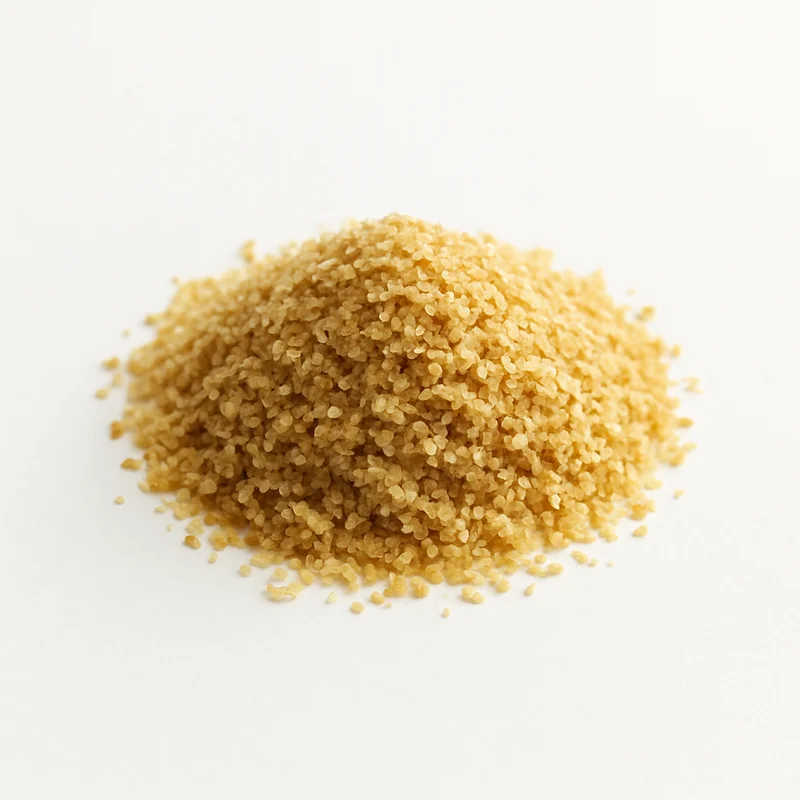
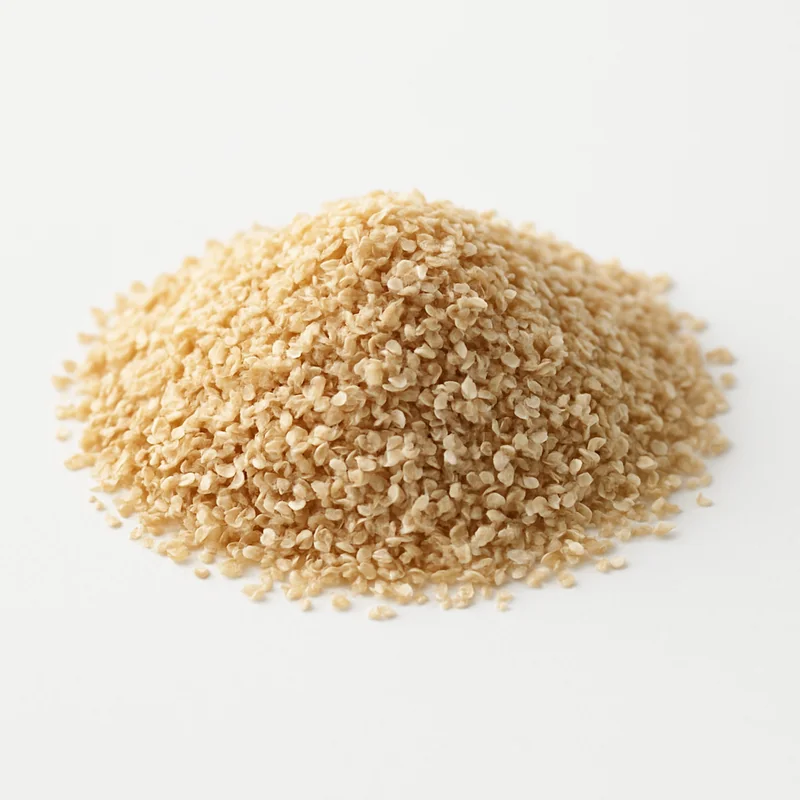
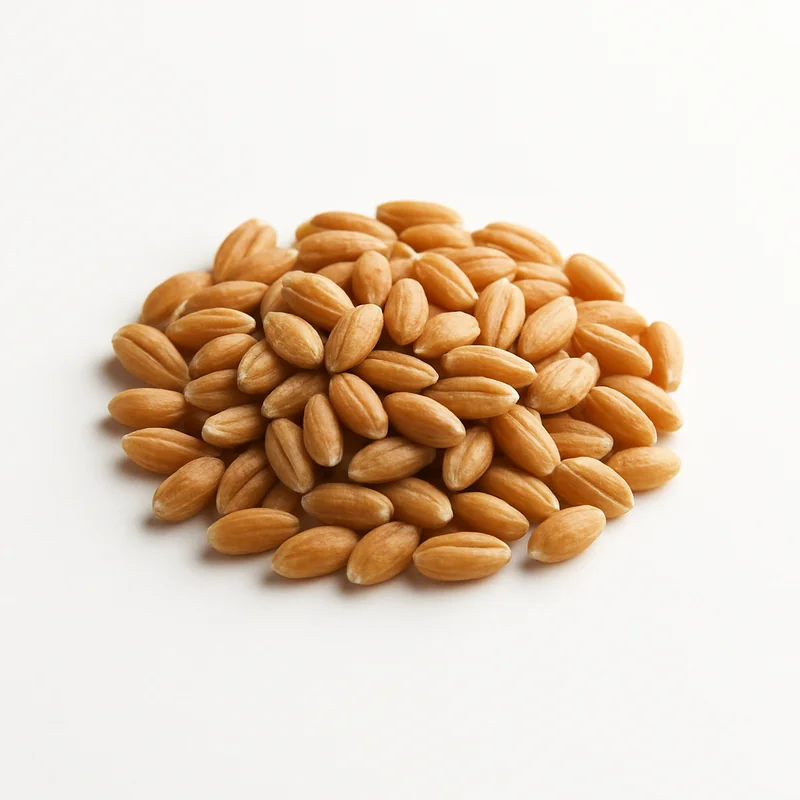
What is Rye Grain actually covering?
See which nutrients your diet already delivers and which ones your supplements still need to — food and pills measured on the same scale.
Check my nutrients2 questions · free · no account needed to start
Also on iPhone — get the free app
Evidence-based supplement guides, no spam
We send a short digest when new guides drop — nothing else. No affiliate pushes, no sponsored content, unsubscribe anytime.