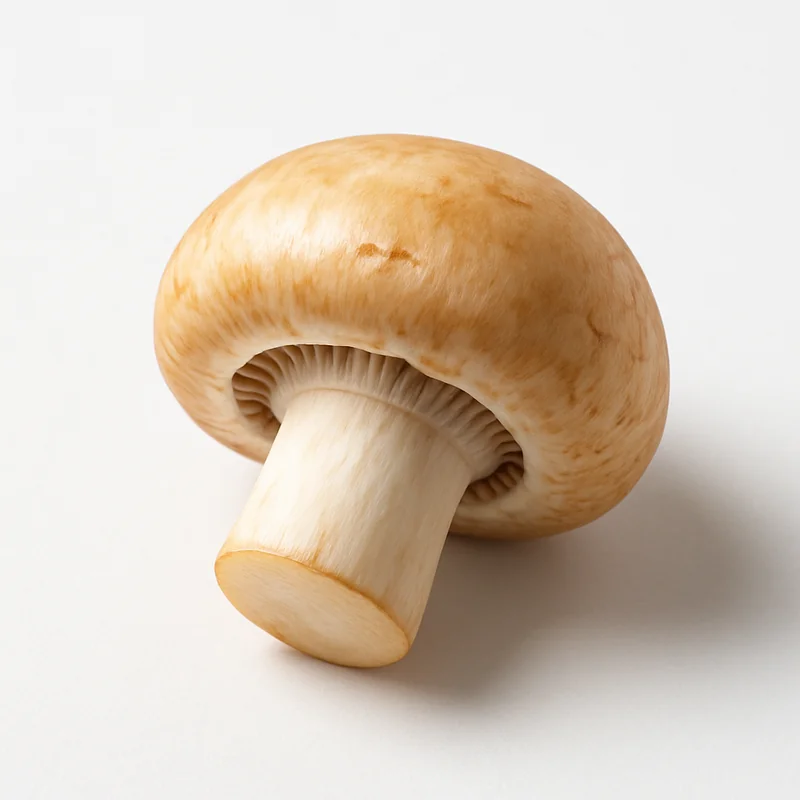
Mushroom
ScoreA
Mushrooms are low-calorie fungi rich in selenium, potassium, and bioactive compounds including beta-glucans and ergothioneine that support immune function and cellular protection.
Why Mushroom scores 85
% Daily Value per ½ cup (85 g)
Nutrition
per 100 g
Health benefits
Enhanced immune function and reduced infection risk
moderate evidenceBeta-glucans in mushrooms activate macrophages and natural killer cells, improving pathogen recognition and immune surveillance
Cardiovascular protection and reduced inflammation
moderate evidenceErgothioneine and polysaccharides reduce oxidative stress and inflammatory markers; potassium supports healthy blood pressure regulation
Cognitive protection and reduced neuroinflammation
moderate evidenceErgothioneine crosses the blood-brain barrier and protects neuronal mitochondria; bioactive compounds suppress neuroinflammatory cytokines
Improved gut microbiome composition
moderate evidenceIndigestible polysaccharides and beta-glucans serve as prebiotics, selectively feeding beneficial bacteria and increasing short-chain fatty acid production
Enhanced insulin sensitivity and metabolic health
emerging evidencePolysaccharides and their metabolites modulate glucose absorption and improve insulin signaling pathways
Pairs well with
- ·Pair with garlic because allicin (garlic) enhances bioavailability of mushroom polysaccharides and provides synergistic antimicrobial benefits
- ·Pair with olive oil because fat-soluble ergothioneine absorption is enhanced by dietary lipids; cooking mushrooms in olive oil optimizes antioxidant extraction
- ·Pair with leafy greens (spinach, kale) because mushrooms' selenium and B vitamins complement greens' folate and magnesium for comprehensive micronutrient status
- ·Pair with cruciferous vegetables (broccoli, cauliflower) because combined sulforaphane and beta-glucans provide additive effects on phase II detoxification enzyme activation
- ·Pair with legumes because mushrooms' umami flavor reduces need for salt while the combination provides complete amino acid profile with enhanced mineral bioavailability
Practical tips
- ·Best timing: Mushrooms contain no compounds with circadian sensitivity. They can be consumed throughout the day as they support steady microbiome function and don't create blood sugar spikes. Including them in lunch or dinner supports sustained satiety.
- ·Choose mushrooms with intact, unblemished caps; store in paper (not plastic) bags in the refrigerator to maintain moisture balance and prevent bacterial growth—they last 7-10 days
- ·Cook mushrooms gently (sauté or roast) rather than boiling to preserve heat-sensitive polysaccharides; cooking actually increases bioavailability of ergothioneine by 5-8x
- ·Select shiitake, maitake, or oyster mushrooms when possible; these contain significantly higher beta-glucan concentrations (3-7% dry weight) compared to button mushrooms (0.3-1%)
- ·Expose fresh mushrooms to direct sunlight for 30-60 minutes before consumption to boost endogenous vitamin D2 production (up to 100 IU per gram dried weight)
- ·Include mushrooms 4-7 times weekly for consistent immune and microbiome benefits; consistent consumption appears more protective than sporadic high intake
Related foods
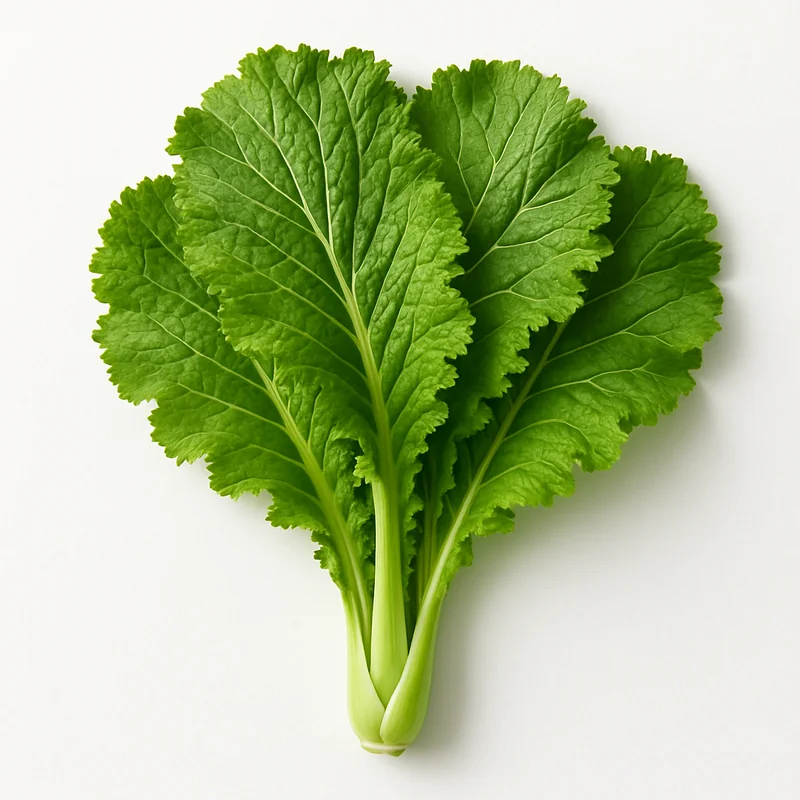
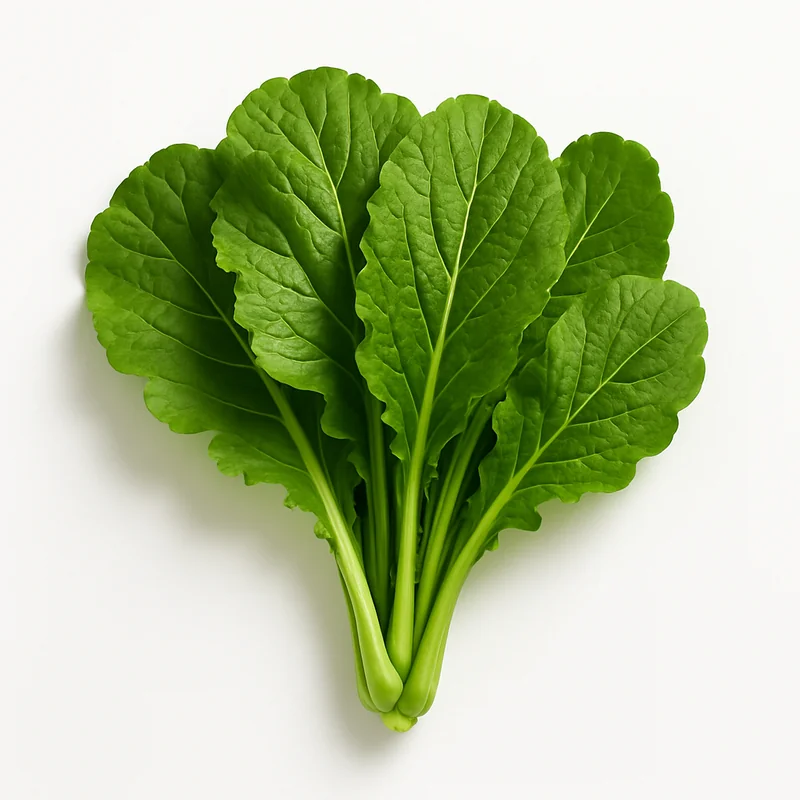
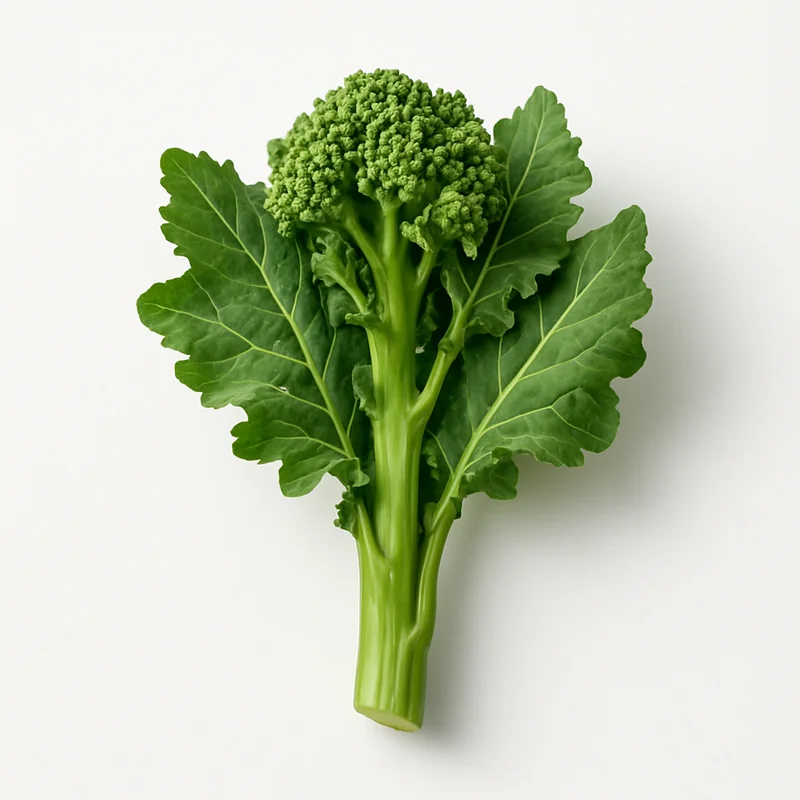
What is Mushroom actually covering?
See which nutrients your diet already delivers and which ones your supplements still need to — food and pills measured on the same scale.
Check my nutrients2 questions · free · no account needed to start
Also on iPhone — get the free app
Evidence-based supplement guides, no spam
We send a short digest when new guides drop — nothing else. No affiliate pushes, no sponsored content, unsubscribe anytime.