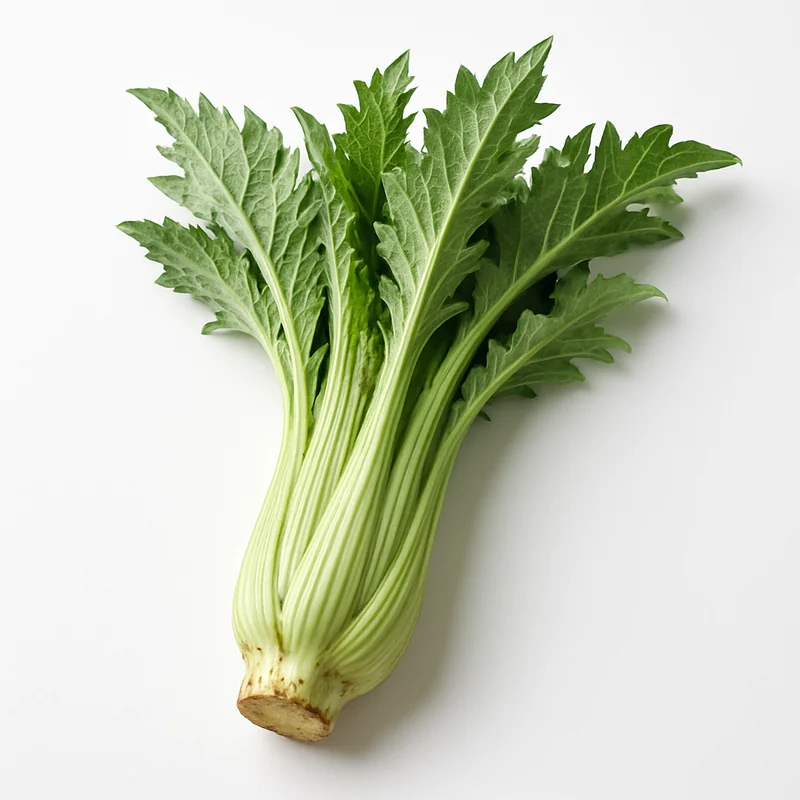
Cardoon
ScoreA
Cardoon is a thistle-like Mediterranean vegetable related to the artichoke, offering low calories with notable potassium and fiber content. Its mild, slightly nutty flavor makes it a versatile addition to longevity-focused diets.
Why Cardoon scores 87
% Daily Value per ½ cup (85 g)
Nutrition
per 100 g
Health benefits
Supports cardiovascular health through potassium and blood pressure regulation
strong evidenceHigh potassium content (400mg per 100g) promotes vasodilation and natriuresis, counteracting sodium's hypertensive effects and reducing arterial stiffness
Promotes healthy gut microbiota through prebiotic inulin
moderate evidenceInulin fiber selectively feeds Bifidobacterium and Faecalibacterium species, improving SCFA production and intestinal barrier function
Supports liver health and detoxification
emerging evidenceCynarin and chlorogenic acid enhance bile production and hepatic Phase II enzyme activity, improving xenobiotic elimination
Reduces postprandial glucose spikes through high fiber and low glycemic load
moderate evidenceSoluble fiber slows gastric emptying and glucose absorption; inulin may improve insulin sensitivity
Provides folate for homocysteine regulation and vascular health
strong evidenceFolate (68mcg per 100g) serves as methyl donor for homocysteine remethylation, reducing cardiovascular disease risk
Pairs well with
- ·Pair with olive oil because fat-soluble polyphenols (cynarin, chlorogenic acid) show enhanced bioavailability with dietary lipids
- ·Combine with lemon or citrus because vitamin C enhances non-heme iron absorption (0.7mg per 100g) from the cardoon itself
- ·Eat with fatty fish (salmon, mackerel) because omega-3s synergize with polyphenols for anti-inflammatory and cardiovascular protection
- ·Pair with garlic or allium vegetables because sulfur compounds may potentiate hepatoprotective effects through shared Phase II enzyme pathways
- ·Combine with fermented foods (sauerkraut, kefir) because prebiotic inulin works synergistically with exogenous probiotics for improved microbiota diversity
Practical tips
- ·Best timing: midday
- ·Select cardoon stalks that are firm, unblemished, and pale green-white; darker or wilted specimens indicate age and reduced nutrient density
- ·Prepare by removing the outer fibrous layer with a vegetable peeler, then slice stalks and blanch for 10-15 minutes to reduce bitterness before sautéing or roasting
- ·Store wrapped in damp paper towels in the refrigerator crisper for up to 2 weeks; avoid plastic bags that trap moisture and promote decay
- ·Roast with minimal olive oil at 400°F (200°C) for 20-25 minutes to preserve heat-sensitive B vitamins and enhance polyphenol accessibility
- ·Consume 80-120g servings (a modest side portion) 3-4 times weekly as part of Mediterranean-style meals to achieve consistent prebiotic intake without digestive distress
Related foods
What is Cardoon actually covering?
See which nutrients your diet already delivers and which ones your supplements still need to — food and pills measured on the same scale.
Check my nutrients2 questions · free · no account needed to start
Also on iPhone — get the free app
Evidence-based supplement guides, no spam
We send a short digest when new guides drop — nothing else. No affiliate pushes, no sponsored content, unsubscribe anytime.