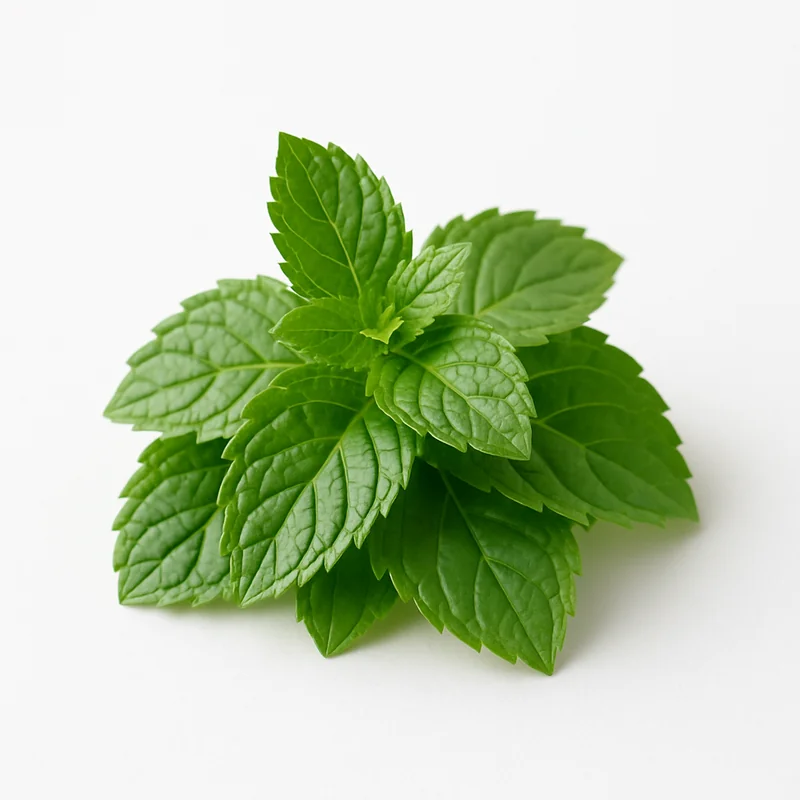
Peppermint
ScoreA+
Peppermint is a aromatic herb rich in menthol and polyphenols, offering digestive support and anti-inflammatory benefits with minimal calories but notable micronutrient density.
Why Peppermint scores 96
% Daily Value per a pinch (2 g)
Nutrition
per 100 g
Health benefits
Improved digestive function and reduced IBS symptoms
strong evidenceMenthol relaxes smooth muscle in the GI tract, reducing spasms and improving gastric motility while promoting bile secretion for enhanced fat digestion
Anti-inflammatory and antioxidant protection
moderate evidenceRosmarinic acid and other polyphenols in peppermint scavenge free radicals and inhibit pro-inflammatory cytokine production, supporting cellular longevity
Enhanced cognitive function and mental clarity
moderate evidenceMenthol increases cerebral blood flow and may modulate acetylcholine pathways, improving memory consolidation and attention span
Reduced headache frequency and intensity
moderate evidenceTopical and systemic menthol activates cold-sensing TRPM8 receptors, reducing muscle tension and migraine trigger sensitivity
Antimicrobial and oral health support
moderate evidenceMenthol exhibits direct antimicrobial activity against oral pathogens, reducing plaque formation and supporting long-term dental health
Pairs well with
- ·Pair with ginger tea because both enhance digestive motility and synergistically reduce nausea and bloating
- ·Combine with black tea for improved antioxidant absorption—catechins in tea increase polyphenol bioavailability
- ·Mix with lemon water to enhance iron absorption from peppermint through vitamin C, improving the bioavailability of the herb's 5mg/100g iron content
- ·Pair with fatty fish (salmon) because peppermint's bile-stimulating properties enhance fat-soluble nutrient absorption (omega-3s, vitamin D)
Practical tips
- ·Best timing: post-workout
- ·Steep fresh or dried peppermint for 5-10 minutes in 90-95°C water to maximize menthol extraction without destroying volatile compounds; avoid boiling
- ·Store dried peppermint in airtight, opaque containers away from light and heat to preserve menthol content—properly stored dried leaves retain potency for 6-12 months
- ·Consume 1-2 cups of peppermint tea 20-30 minutes after meals to optimize digestive benefits and avoid potential heartburn in sensitive individuals when consumed before food
- ·Grow fresh peppermint at home in a separate container—it spreads aggressively and will overtake garden beds, ensuring a cost-effective year-round supply
- ·For IBS or digestive complaints, consider enteric-coated peppermint oil capsules (500-1000mg per dose) for targeted colon delivery, though culinary use is safe and evidence-supported
Related foods
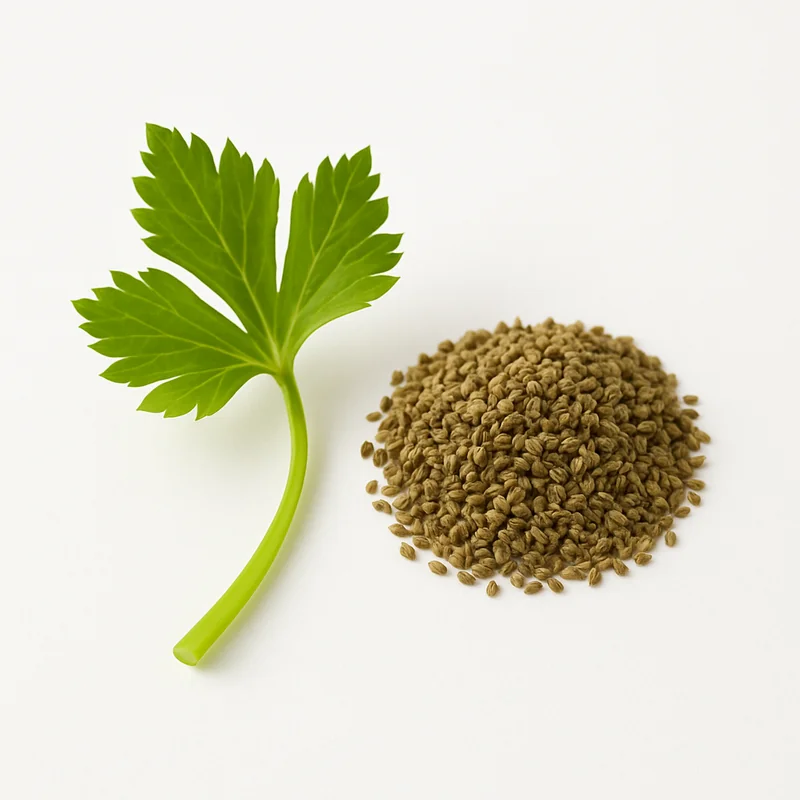
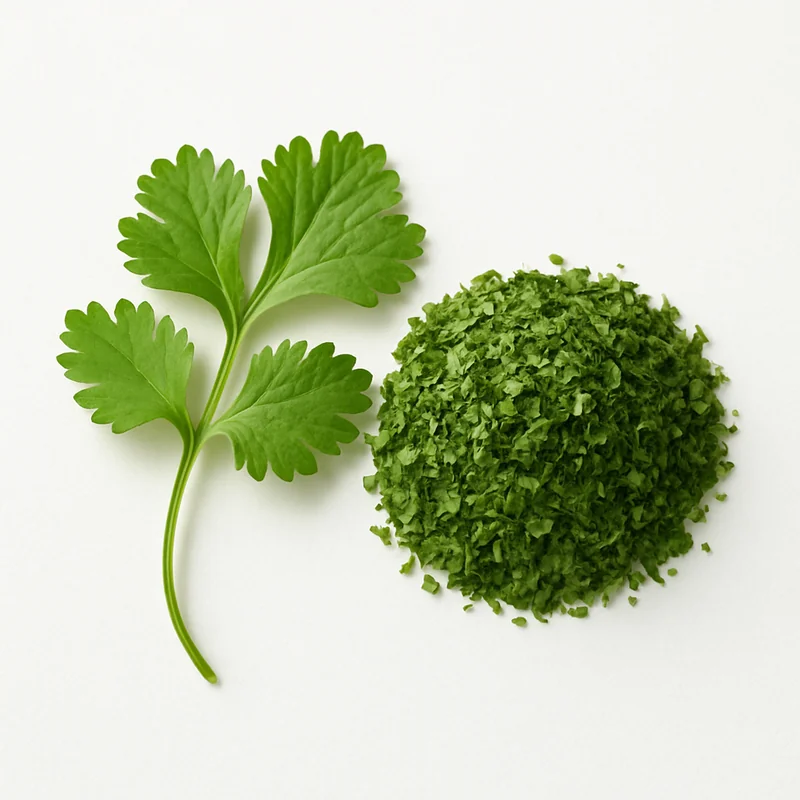
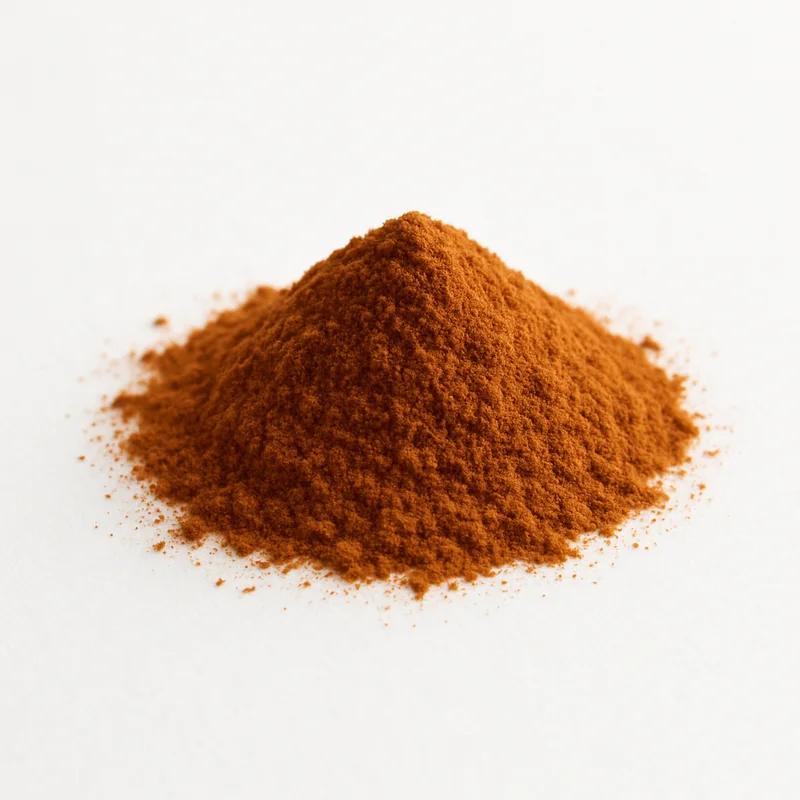
What is Peppermint actually covering?
See which nutrients your diet already delivers and which ones your supplements still need to — food and pills measured on the same scale.
Check my nutrients2 questions · free · no account needed to start
Also on iPhone — get the free app
Evidence-based supplement guides, no spam
We send a short digest when new guides drop — nothing else. No affiliate pushes, no sponsored content, unsubscribe anytime.