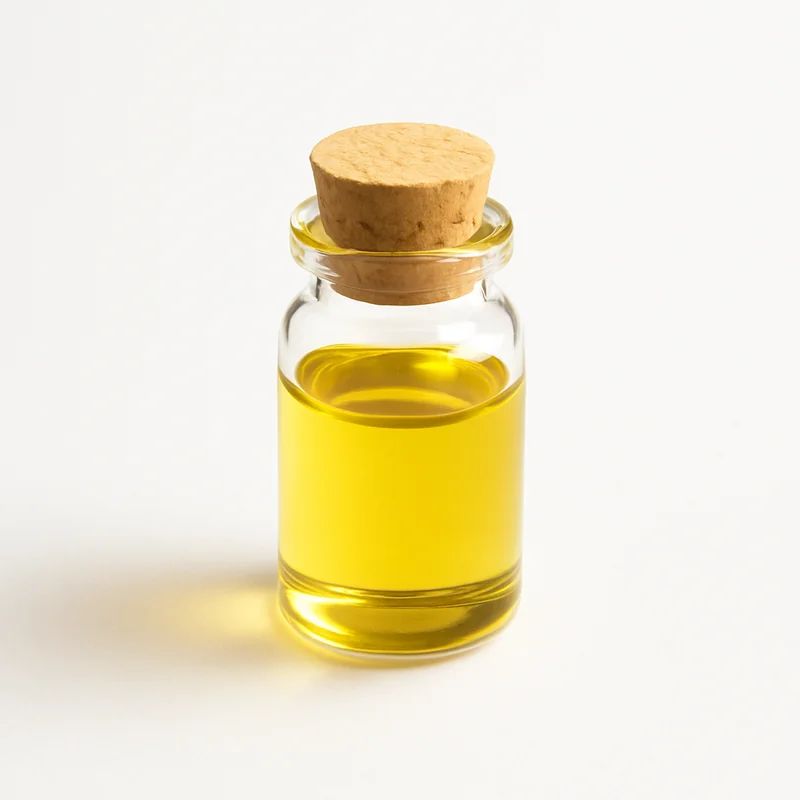
Corn Oil
ScoreC
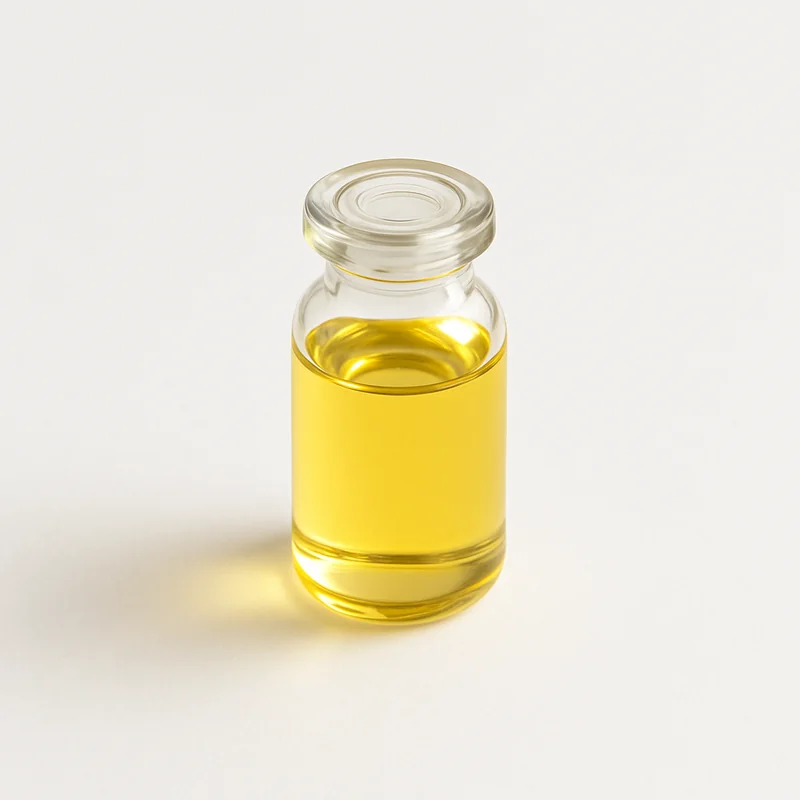
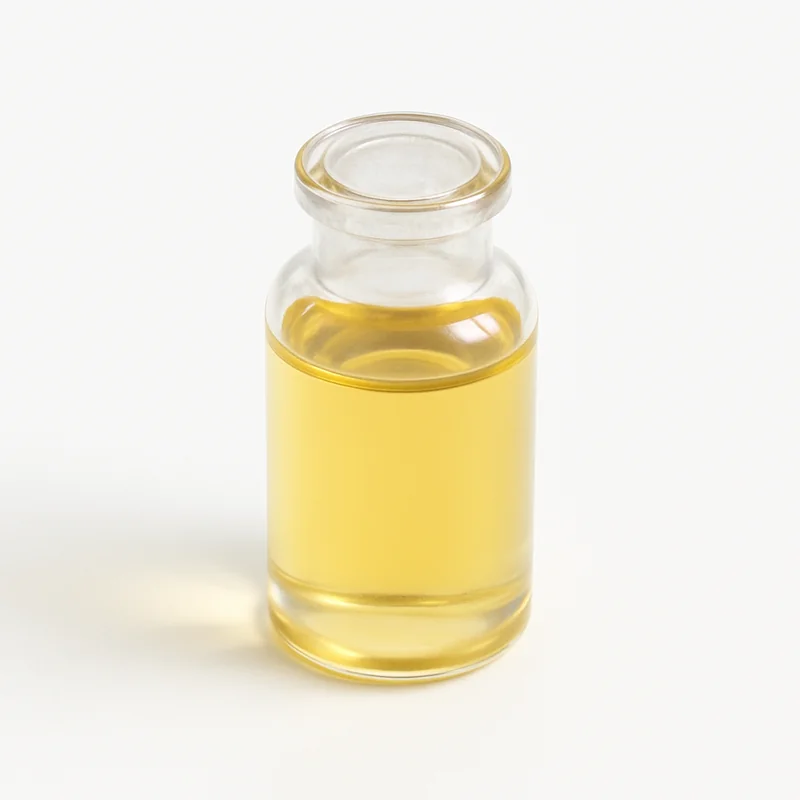
Corn oil is a refined vegetable oil extracted from corn kernels, composed primarily of polyunsaturated and monounsaturated fats with minimal saturated fat content. It is a calorie-dense cooking oil commonly used in food preparation and processing.
Why Corn Oil scores 54
% Daily Value per 1 tbsp (14 g)
Nutrition
per 100 g
Health benefits
Supports cardiovascular function through linoleic acid content
moderate evidenceLinoleic acid (omega-6 PUFA) helps maintain healthy LDL cholesterol levels and supports endothelial function, though excessive intake relative to omega-3 may promote inflammation
Provides vitamin E antioxidant protection
strong evidenceCorn oil contains alpha-tocopherol (vitamin E), which neutralizes free radicals and protects cell membranes from oxidative stress
Suitable for high-heat cooking applications
moderate evidenceHigh smoke point prevents formation of harmful oxidized compounds (trans fats and advanced glycation end products) during cooking compared to oils with lower smoke points
Contributes to cellular membrane integrity
strong evidencePolyunsaturated fats are essential structural components of cell membranes, supporting flexibility and optimal cellular function throughout the body
Pairs well with
- ·Pair with fatty fish (salmon, sardines) because both provide different essential fatty acids; fish contributes omega-3s to balance corn oil's omega-6 content
- ·Combine with colorful vegetables in stir-fries because fat-soluble vitamins (A, D, E, K) from vegetables require dietary fat for optimal absorption
- ·Use in salad dressings with vinegar or lemon juice because acidic components slow gastric emptying and moderate blood glucose response to the oil
- ·Cook with herbs and spices (turmeric, rosemary, garlic) because their polyphenols have antioxidant effects that complement vitamin E and reduce oxidative stress from the oil during heating
Practical tips
- ·Best timing: As a cooking medium rather than a standalone food, corn oil's timing is determined by meal preparation patterns; it does not require specific circadian optimization
- ·Store corn oil in a cool, dark cabinet away from direct light and heat to prevent lipid oxidation and rancidity; avoid storing near the stove
- ·Use for high-heat cooking (frying, sautéing above 400°F) rather than low-heat applications where more flavorful oils like extra virgin olive oil are preferred
- ·Limit total corn oil intake as part of overall omega-6 fat balance; balance with omega-3 rich oils (walnut, flax, fish) and olive oil for optimal inflammatory profile
- ·Check expiration dates and discard if oil develops a musty or off-odor, indicating oxidation and reduced nutritional quality
- ·Choose organic, non-GMO corn oil when available to minimize pesticide residue exposure from conventional corn production
Related foods
What is Corn Oil actually covering?
See which nutrients your diet already delivers and which ones your supplements still need to — food and pills measured on the same scale.
Check my nutrients2 questions · free · no account needed to start
Also on iPhone — get the free app
Evidence-based supplement guides, no spam
We send a short digest when new guides drop — nothing else. No affiliate pushes, no sponsored content, unsubscribe anytime.