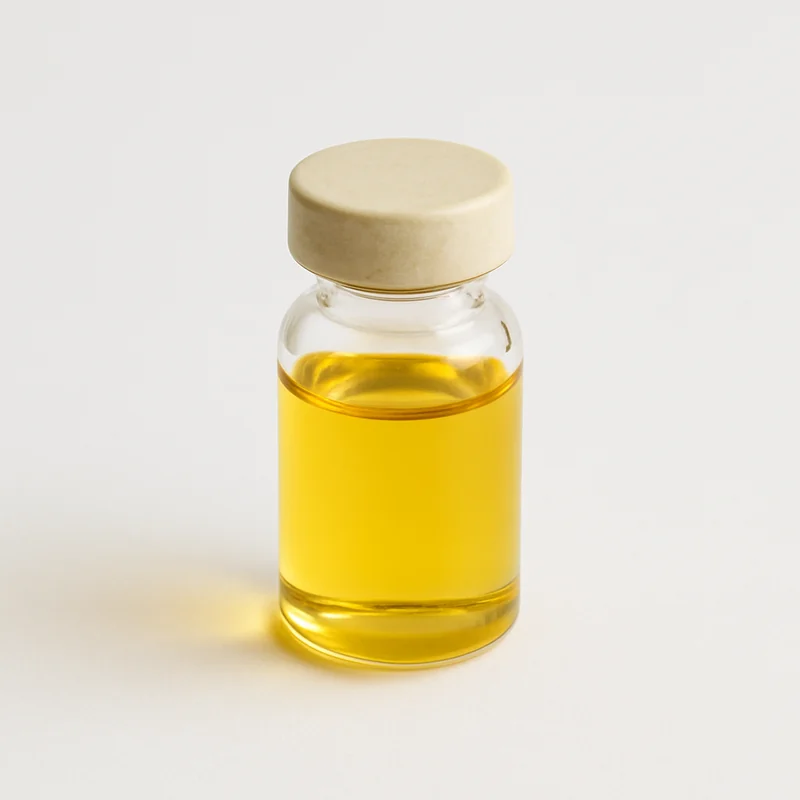
Animal Fat
ScoreC
Animal fat is a concentrated source of energy and fat-soluble vitamins, composed primarily of saturated and monounsaturated fatty acids with bioavailable micronutrients including choline and vitamin D.
Why Animal Fat scores 44
% Daily Value per 1 tbsp (14 g)
Nutrition
per 100 g
Health benefits
Enhanced absorption of fat-soluble vitamins (A, D, E, K)
strong evidenceDietary fat emulsifies and solubilizes fat-soluble vitamins in the small intestine, enabling efficient absorption across the intestinal epithelium into lymphatic circulation
Support for neurological function and cognitive health
moderate evidenceCholine serves as a precursor to acetylcholine (neurotransmitter) and phosphatidylcholine (myelin component), essential for synaptic plasticity and neural protection
Hormone and steroid production
strong evidenceDietary cholesterol and fatty acids are structural precursors for testosterone, estrogen, cortisol, and other steroid hormones critical for metabolic regulation and aging
Satiety and metabolic stabilization
strong evidenceFat delays gastric emptying, stimulates cholecystokinin (CCK) release, and provides sustained energy through oxidative metabolism, reducing blood glucose spikes
Anti-inflammatory signaling via monounsaturated fatty acids
moderate evidenceOleic acid (primary MUFA in animal fats) activates GPR120 and reduces pro-inflammatory lipopolysaccharide signaling in immune cells
Pairs well with
- ·Pair with leafy greens (spinach, kale) because fat solubilizes fat-soluble vitamins K, A, and E, dramatically increasing bioavailability
- ·Combine with colorful vegetables (carrots, tomatoes, bell peppers) to enhance carotenoid absorption through fat-mediated emulsification
- ·Pair with choline-rich foods (eggs, cruciferous vegetables) to synergistically support methylation pathways and cognitive function
- ·Combine with vitamin D sources (fatty fish, egg yolks) to optimize fat-soluble vitamin absorption and hormonal signaling
Practical tips
- ·Best timing: midday
- ·Select grass-fed or pasture-raised animal fats, which contain higher concentrations of omega-3 fatty acids, CLA, and fat-soluble vitamins compared to grain-fed sources
- ·Store animal fats in cool, dark conditions or refrigerate after opening to prevent oxidation; tallow and lard are more stable than poultry fat due to lower PUFA content
- ·Use for low-to-moderate temperature cooking (under 375°F/190°C) to minimize oxidative damage; reserve for finishing dishes, salad dressings, or bone broth preparation
- ·Moderate portion sizes to 1-2 tablespoons (14-28g) per meal to maintain caloric balance while achieving micronutrient benefits without excess energy intake
- ·Prioritize animal fat sources from nose-to-tail consumption (organ fats, bone marrow) which provide superior nutrient density compared to muscle fat
Related foods
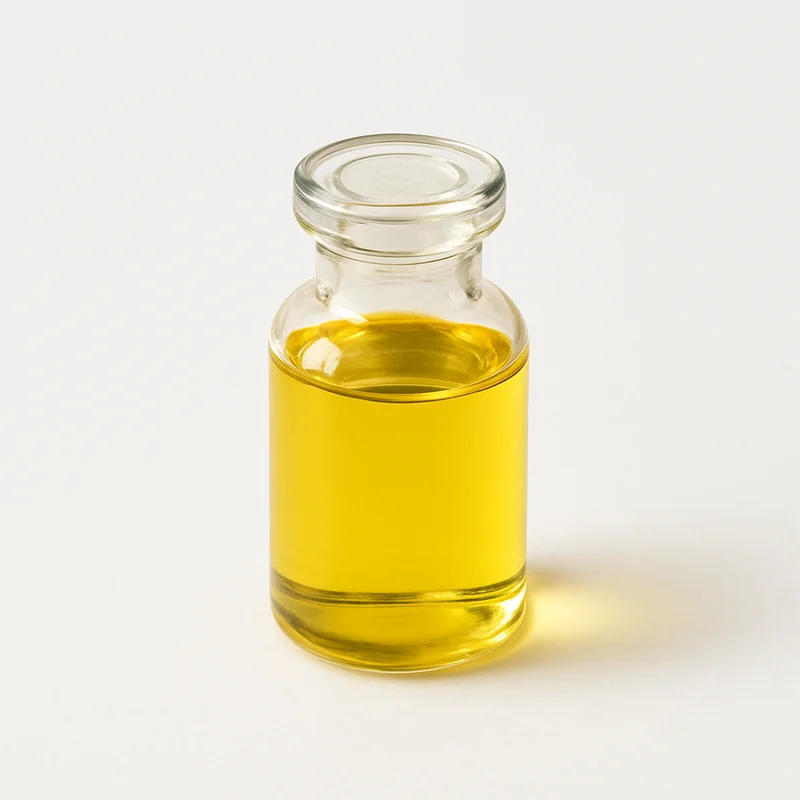
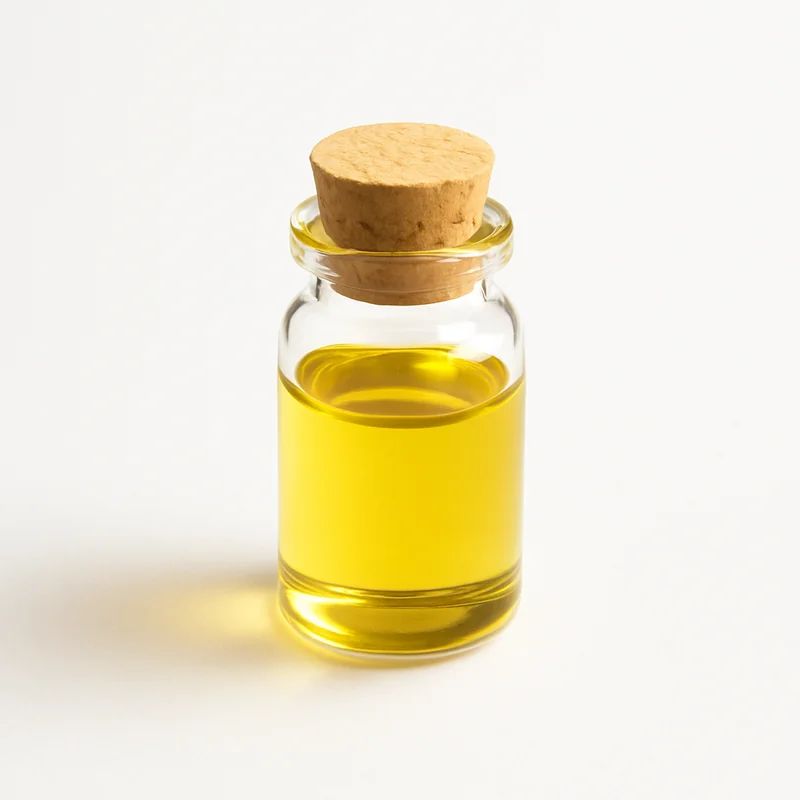
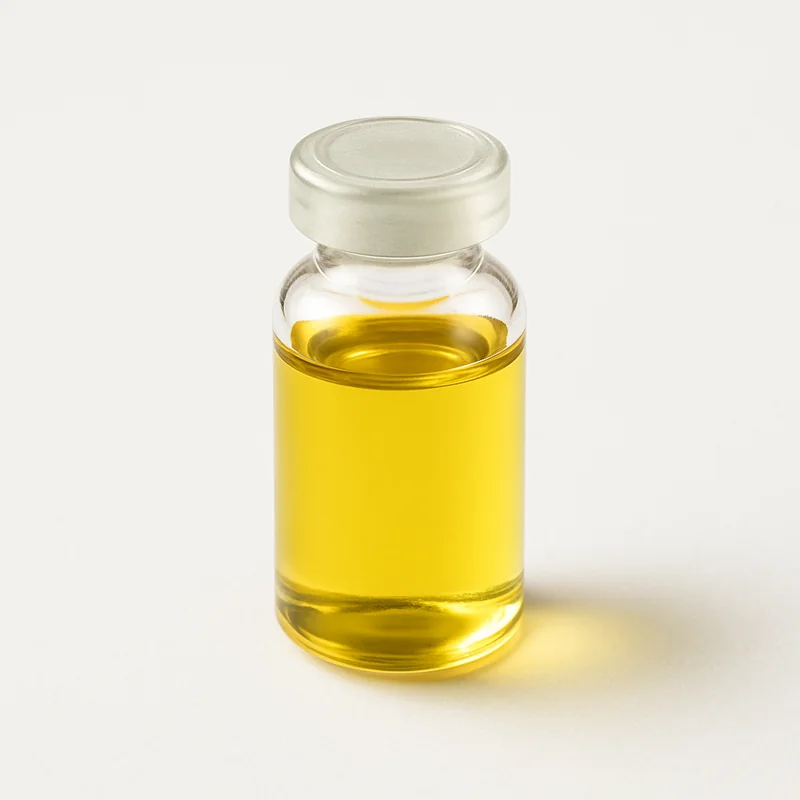
What is Animal Fat actually covering?
See which nutrients your diet already delivers and which ones your supplements still need to — food and pills measured on the same scale.
Check my nutrients2 questions · free · no account needed to start
Also on iPhone — get the free app
Evidence-based supplement guides, no spam
We send a short digest when new guides drop — nothing else. No affiliate pushes, no sponsored content, unsubscribe anytime.