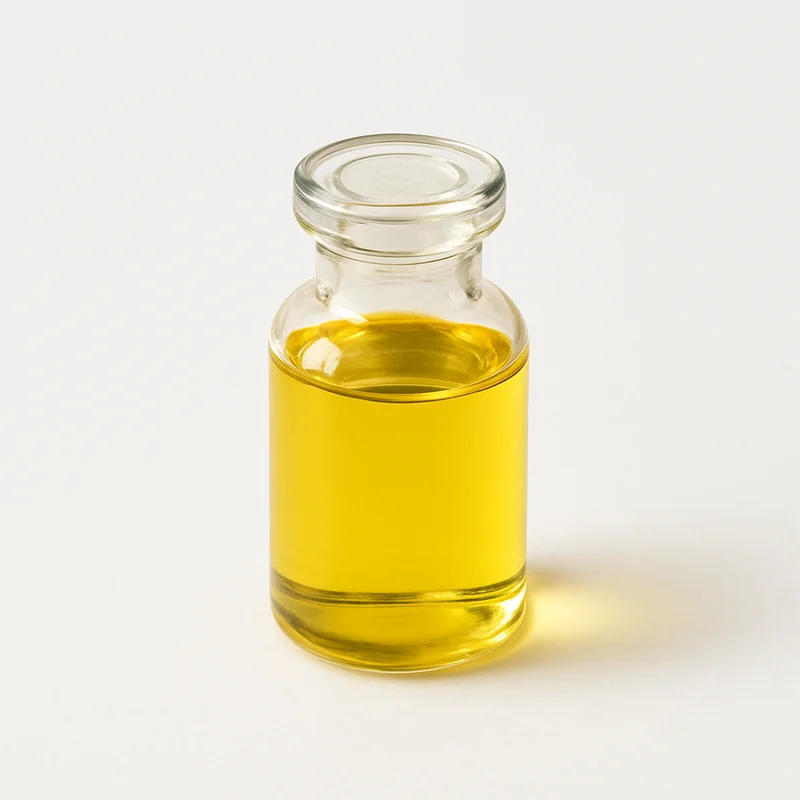
Canola Oil
ScoreB
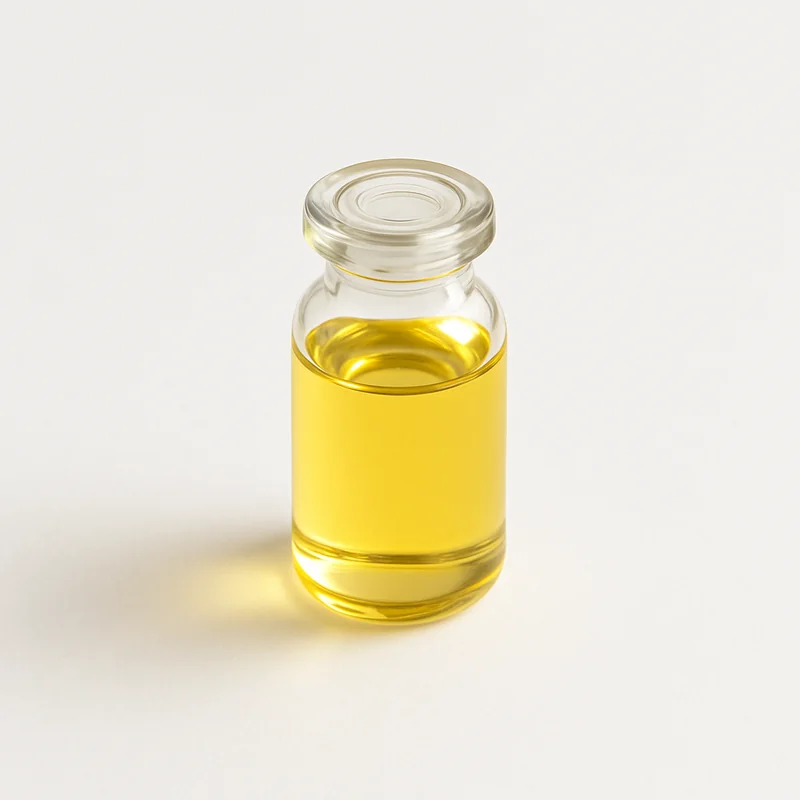
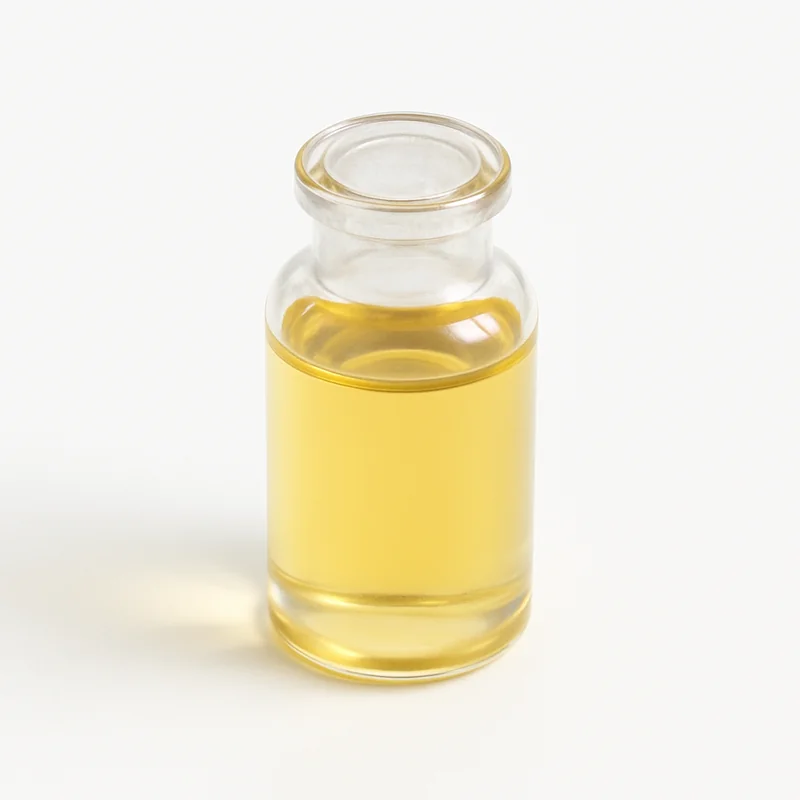
Canola oil is a refined vegetable oil derived from rapeseed, notable for its low saturated fat content and favorable omega-3 to omega-6 fatty acid ratio compared to other seed oils.
Why Canola Oil scores 66
% Daily Value per 1 tbsp (14 g)
Nutrition
per 100 g
Health benefits
Improved cardiovascular health markers through favorable fatty acid profile
strong evidenceThe high monounsaturated fat content and alpha-linolenic acid (ALA, omega-3) help reduce LDL cholesterol and triglycerides while supporting healthy blood pressure and arterial function
Reduced inflammation through omega-3 and polyphenol content
moderate evidenceAlpha-linolenic acid and minor phytochemicals in canola oil may suppress pro-inflammatory pathways and support systemic anti-inflammatory responses
Support for cholesterol management via phytosterol content
strong evidencePlant sterols in canola oil compete with dietary cholesterol for intestinal absorption, reducing LDL cholesterol levels by 3-10%
Antioxidant protection from vitamin E
moderate evidenceVitamin E acts as a fat-soluble antioxidant that protects cellular membranes and lipoproteins from oxidative damage
Brain and cognitive support through ALA conversion to longer-chain omega-3s
emerging evidenceAlpha-linolenic acid can be converted to EPA and DHA in the body, which are critical for neuronal function and cognitive longevity
Pairs well with
- ·Pair with leafy greens (spinach, kale) because the oil's fat-soluble vitamins enhance absorption of fat-soluble vitamin K and carotenoids in greens
- ·Combine with high-polyphenol foods like berries or tomatoes to amplify antioxidant effects through complementary phytochemical profiles
- ·Use in dressings with acidic ingredients (lemon, vinegar) because acid slows fat digestion and may improve lipid absorption and glucose response
- ·Cook with garlic and onions because sulfur compounds in alliums have synergistic anti-inflammatory effects with canola's omega-3 content
Practical tips
- ·Best timing: Canola oil can be consumed any time of day as it supports meal fat composition for nutrient absorption and satiety. Use during main meals for optimal fat-soluble vitamin uptake.
- ·Choose cold-pressed or expeller-pressed canola oil when possible to maximize retention of phytosterols and vitamin E compared to refined versions
- ·Store canola oil in a dark, cool place (not above the stove) as heat and light accelerate oxidation, creating harmful free radicals
- ·Limit heating to moderate temperatures (under 350°F/175°C for sautéing); reserve for salad dressings and low-heat cooking to prevent formation of oxidized compounds
- ·Use as part of a balanced fat intake (2-3 tablespoons daily as part of total daily fat), not as your sole cooking oil—rotate with olive, coconut, or avocado oils
- ·Avoid storing opened bottles beyond 6-8 months and use within this window to minimize rancidity and loss of beneficial micronutrients
Related foods
What is Canola Oil actually covering?
See which nutrients your diet already delivers and which ones your supplements still need to — food and pills measured on the same scale.
Check my nutrients2 questions · free · no account needed to start
Also on iPhone — get the free app
Evidence-based supplement guides, no spam
We send a short digest when new guides drop — nothing else. No affiliate pushes, no sponsored content, unsubscribe anytime.