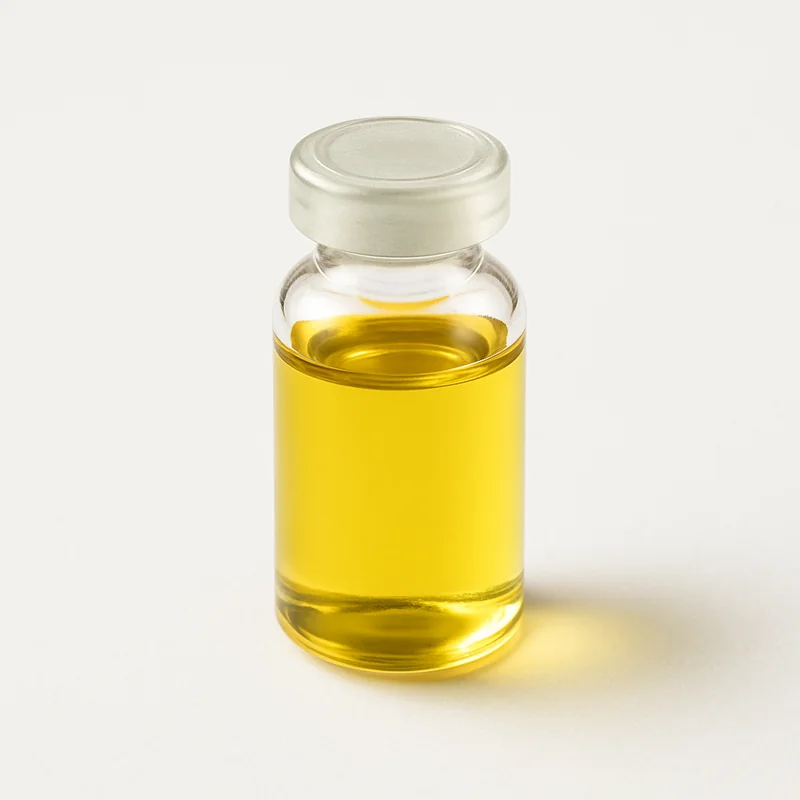
Soybean Oil
ScoreD
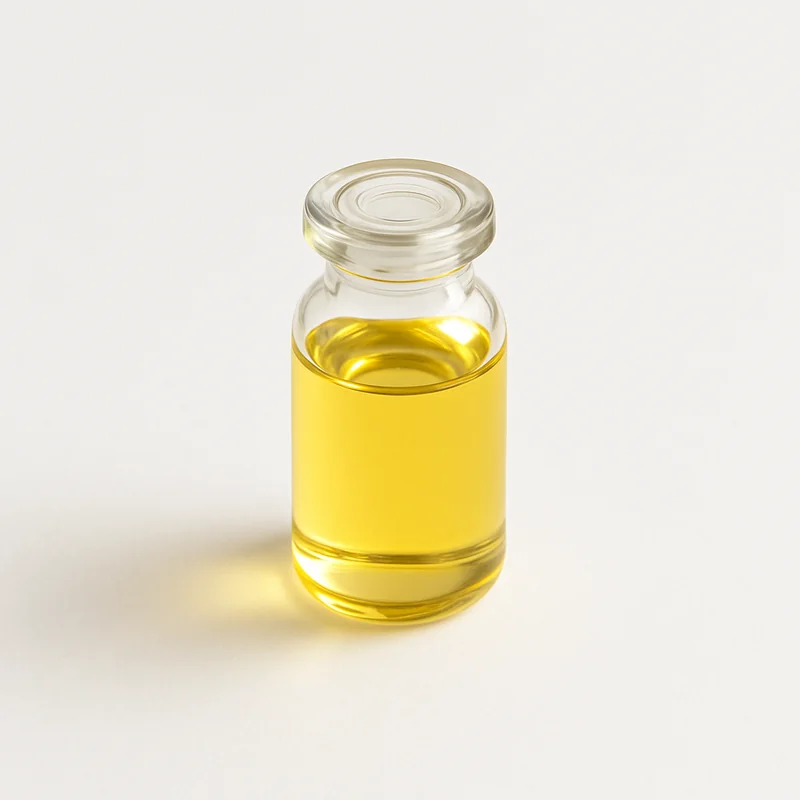
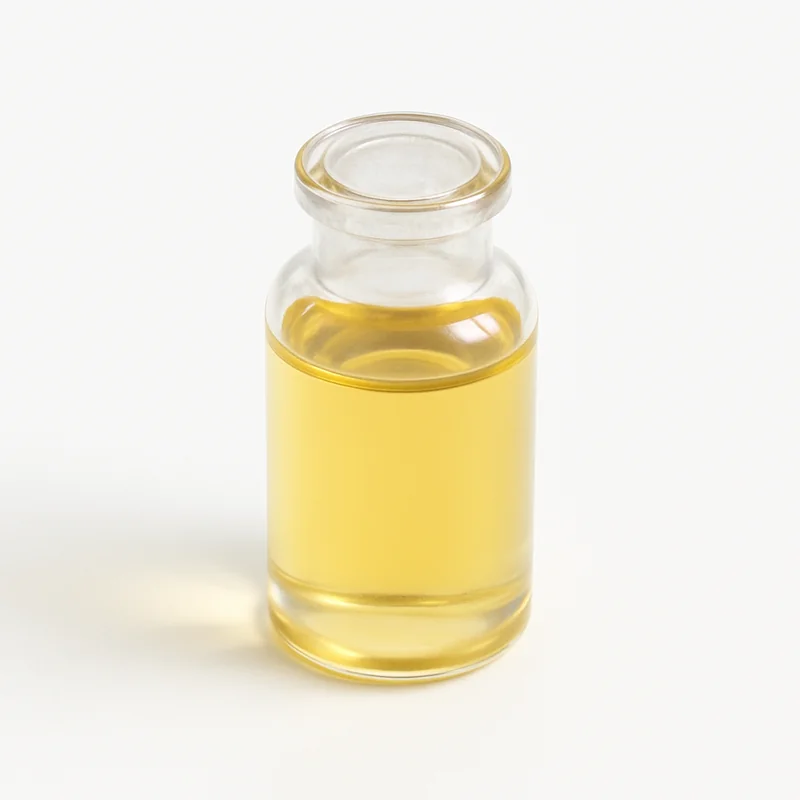
Soybean oil is a vegetable oil extracted from soybean seeds, rich in polyunsaturated fats including omega-6 linoleic acid and smaller amounts of omega-3 alpha-linolenic acid. It serves as a common cooking oil and ingredient in processed foods.
Why Soybean Oil scores 36
% Daily Value per 1 tbsp (14 g)
Nutrition
per 100 g
Health benefits
Supports cardiovascular health through essential fatty acids
strong evidenceLinoleic acid (omega-6) helps regulate cholesterol levels and supports healthy blood vessel function, particularly when balanced with adequate omega-3 intake
Provides vitamin E for antioxidant protection
strong evidenceVitamin E scavenges free radicals and protects cell membranes from oxidative damage, supporting cellular longevity
Supports brain cell membrane integrity
moderate evidencePolyunsaturated fats are essential structural components of neuronal membranes, important for cognitive function and neuroplasticity
May reduce inflammation when balanced with omega-3 sources
moderate evidenceLinoleic acid metabolism produces anti-inflammatory eicosanoids when the omega-6 to omega-3 ratio remains moderate (4:1 or lower)
Pairs well with
- ·Pair with fatty fish (salmon, mackerel) or flaxseeds because they provide omega-3 fatty acids to balance soybean oil's high omega-6 content and reduce inflammatory potential
- ·Combine with vitamin C-rich foods (tomatoes, bell peppers, citrus) because vitamin C enhances absorption of fat-soluble nutrients and supports antioxidant synergy
- ·Use in dressings with leafy greens because the oil facilitates absorption of fat-soluble vitamins (A, K, E) from vegetables
- ·Mix with herbs and spices (turmeric, ginger) because polyphenols from spices provide additional antioxidant protection alongside soybean oil's vitamin E
Practical tips
- ·Best timing: Soybean oil has no time-dependent absorption or utilization pattern; however, it is best consumed as part of meals containing fat-soluble vitamins for optimal nutrient absorption
- ·Store soybean oil in a cool, dark place away from heat and light to prevent oxidation of polyunsaturated fats, which reduces shelf stability
- ·Use for low-to-medium heat cooking rather than high-heat applications (above 350°F/175°C) since polyunsaturated fats are prone to oxidative damage at high temperatures; reserve for salad dressings or gentle sautéing
- ·Limit to 1-2 tablespoons per serving as part of total daily fat intake to maintain healthy omega-6 to omega-3 ratios and avoid excess caloric intake
- ·Select non-GMO or high-oleic soybean oil varieties if available, as these have improved oxidative stability and slightly better fat profiles
- ·Balance consumption by ensuring adequate omega-3 intake from sources like fatty fish, walnuts, chia seeds, or flaxseeds to maintain an optimal inflammatory profile
Related foods
What is Soybean Oil actually covering?
See which nutrients your diet already delivers and which ones your supplements still need to — food and pills measured on the same scale.
Check my nutrients2 questions · free · no account needed to start
Also on iPhone — get the free app
Evidence-based supplement guides, no spam
We send a short digest when new guides drop — nothing else. No affiliate pushes, no sponsored content, unsubscribe anytime.