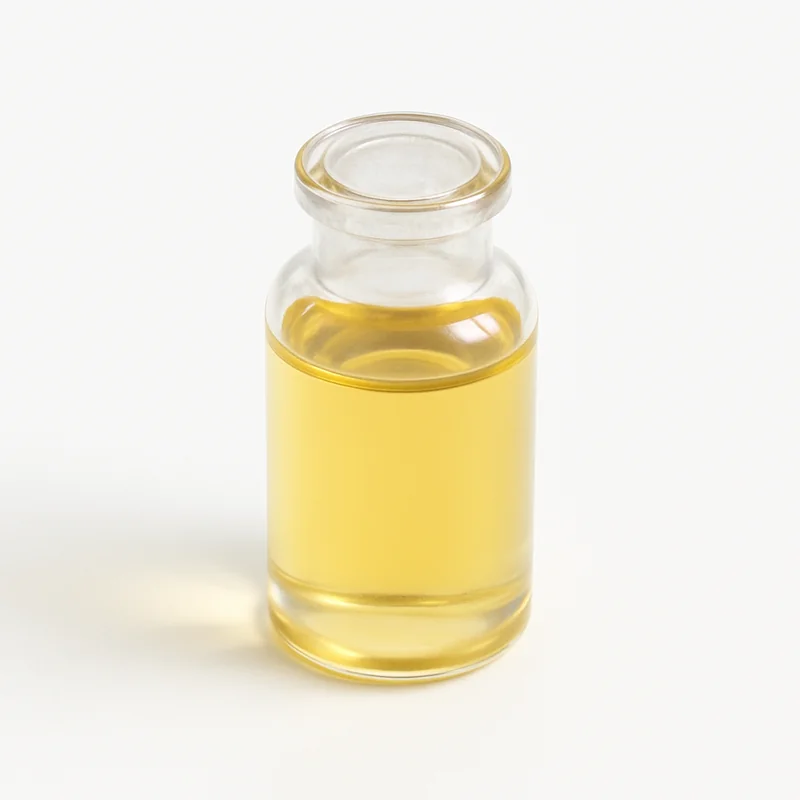
Lard
ScoreD
Lard is rendered pig fat composed primarily of monounsaturated and saturated fats, with a high smoke point suitable for cooking and baking. It provides fat-soluble vitamins and choline, supporting cellular function.
Why Lard scores 20
% Daily Value per 1 tbsp (14 g)
Nutrition
per 100 g
Health benefits
Enhanced choline intake supporting hepatic function and cognitive health
strong evidenceCholine serves as a precursor for acetylcholine neurotransmitter and supports methylation pathways essential for DNA synthesis and cellular repair; adequate intake is associated with improved memory and reduced cognitive decline
High monounsaturated fat content supporting cardiovascular health
moderate evidenceMonounsaturated fats improve lipid profiles by reducing LDL oxidation while maintaining HDL cholesterol, potentially decreasing atherosclerosis risk when saturated fat intake is balanced
Thermal stability during cooking reducing oxidative stress from heating
moderate evidenceLard's higher smoke point (370°F) compared to seed oils minimizes formation of advanced glycation end products and lipid peroxides when used for cooking, reducing dietary sources of oxidative compounds
Fat-soluble vitamin absorption enhancement
strong evidenceDietary fat is essential for absorption of vitamins A, D, E, and K; lard's fat content facilitates nutrient bioavailability when consumed with vitamin-rich vegetables and legumes
Pairs well with
- ·Pair with leafy greens (spinach, kale) because fat enhances absorption of fat-soluble vitamins K and beta-carotene
- ·Combine with root vegetables (sweet potato, carrot) in roasting applications because the high smoke point prevents oxidative damage while carotenoids are better absorbed with dietary fat
- ·Use with organ meats (liver, kidney) because lard complements nutrient density and provides fat-soluble vitamin matrix for enhanced absorption of retinol and vitamin D
- ·Pair with legumes (beans, lentils) in traditional preparations because fat slows glucose absorption, reducing postprandial blood sugar spikes
Practical tips
- ·Best timing: As a pure fat source with zero carbohydrates, lard can be consumed at any time. However, including it in mixed meals (with protein and complex carbs) optimizes nutrient absorption and satiety. Cooking with lard is appropriate throughout the day.
- ·Source pasture-raised pork lard when possible; grass-finished pigs produce lard with superior omega-3 to omega-6 ratios and higher vitamin E content
- ·Store in glass containers in a cool, dark place or refrigerate after opening to prevent oxidative rancidity; properly stored lard can maintain quality for 6-12 months
- ·Use for high-heat cooking (roasting, sautéing) rather than low-temperature applications where nutrient stability is less critical
- ·Limit portion sizes to 1-2 tablespoons per meal as part of balanced fat intake; total dietary fat should comprise 25-35% of daily calories for optimal satiety and nutrient absorption
Related foods
What is Lard actually covering?
See which nutrients your diet already delivers and which ones your supplements still need to — food and pills measured on the same scale.
Check my nutrients2 questions · free · no account needed to start
Also on iPhone — get the free app
Evidence-based supplement guides, no spam
We send a short digest when new guides drop — nothing else. No affiliate pushes, no sponsored content, unsubscribe anytime.