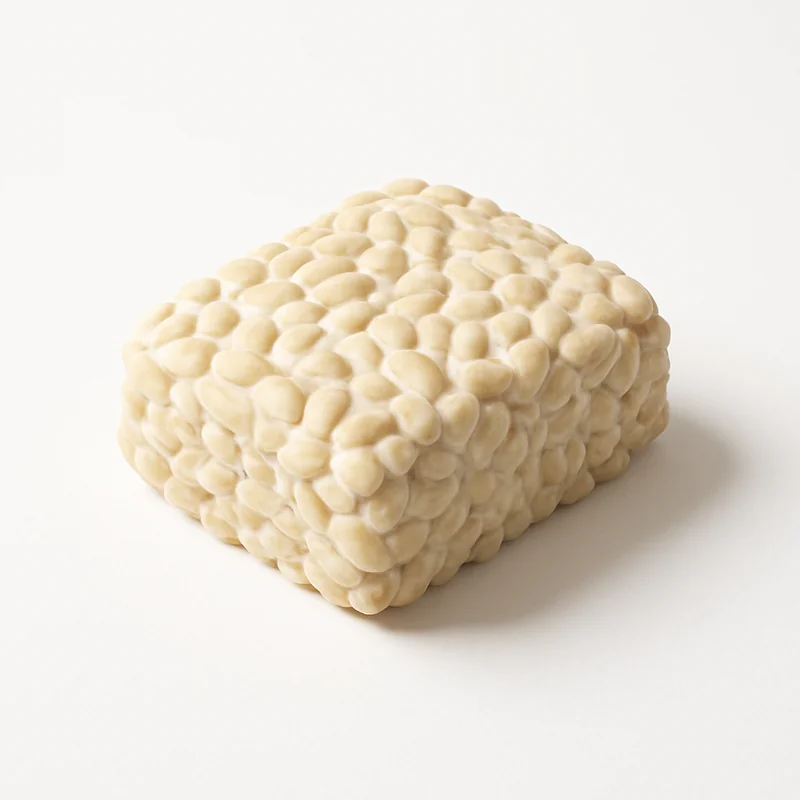
Tempeh
ScoreA
Tempeh is a whole-soybean fermented food offering complete protein (20g per 100g) with superior digestibility compared to tofu, plus bioactive compounds from fermentation. It delivers sustained energy and supports muscle maintenance across the lifespan.
Why Tempeh scores 79
% Daily Value per ½ cup (90 g)
Nutrition
per 100 g
Health benefits
Complete muscle protein support and preservation with aging
strong evidenceProvides all 9 essential amino acids in optimal ratios; fermentation enhances amino acid digestibility and bioavailability compared to raw soy
Improved bone mineral density through natural vitamin K2 and bioavailable minerals
moderate evidenceFermentation produces menaquinone (vitamin K2), which activates osteocalcin for bone mineralization; high phosphorus and magnesium support bone matrix structure
Anti-inflammatory and cardiovascular support via isoflavones and PUFA
moderate evidenceFermented soy isoflavones (genistein, daidzein) modulate inflammatory pathways; polyunsaturated fats reduce atherogenic LDL while supporting endothelial function
Enhanced gut microbiota diversity and prebiotic support
moderate evidenceFermentation creates oligosaccharides and resistant starch that feed beneficial bacteria; live cultures may provide transient probiotic benefits
Iron bioavailability improvement through fermentation-reduced phytates
moderate evidenceFermentation reduces phytic acid by 50-60%, unlocking iron absorption; 2.7mg iron per 100g becomes more accessible to tissues
Pairs well with
- ·Pair with vitamin C-rich foods (bell peppers, tomatoes, citrus) to enhance non-heme iron absorption through acidification and ascorbate chelation
- ·Combine with leafy greens (spinach, kale) to synergize fat-soluble vitamin K absorption and amplify bone health minerals
- ·Serve with fermented vegetables (kimchi, sauerkraut) to increase overall probiotic diversity and create a whole-microbiome-supporting meal
- ·Add healthy fats (olive oil, avocado, nuts) to enhance absorption of fat-soluble isoflavones and support sustained satiety
Practical tips
- ·Best timing: midday
- ·Store unopened tempeh in the refrigerator for up to 10 days; freeze for 3+ months to extend shelf life without nutritional loss
- ·Steaming tempeh for 20 minutes before pan-frying reduces any bitter flavors while preserving heat-stable isoflavones and probiotic cultures
- ·Marinate in acidic liquids (vinegar, lemon juice) before cooking to further enhance mineral bioavailability and add flavor depth
- ·Purchase organic, non-GMO tempeh to avoid pesticide residues and ensure fermentation with traditional cultures rather than antibiotics
- ·Consume within 2-3 hours of opening for maximum probiotic benefit, or keep unused portions sealed in the coldest section of your refrigerator
Related foods
What is Tempeh actually covering?
See which nutrients your diet already delivers and which ones your supplements still need to — food and pills measured on the same scale.
Check my nutrients2 questions · free · no account needed to start
Also on iPhone — get the free app
Evidence-based supplement guides, no spam
We send a short digest when new guides drop — nothing else. No affiliate pushes, no sponsored content, unsubscribe anytime.