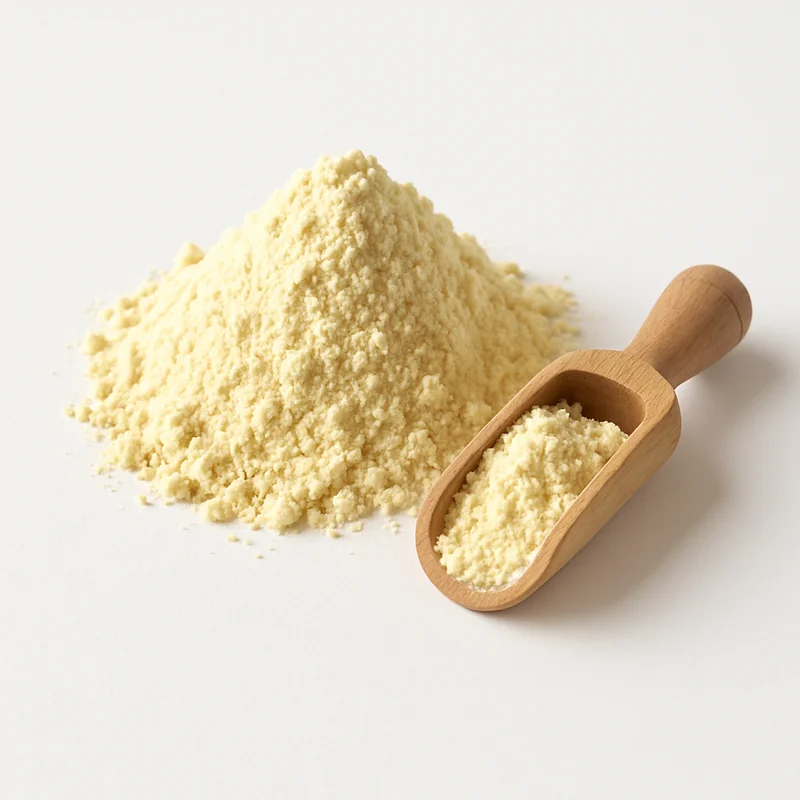
Chickpea Flour (Besan)
ScoreA+
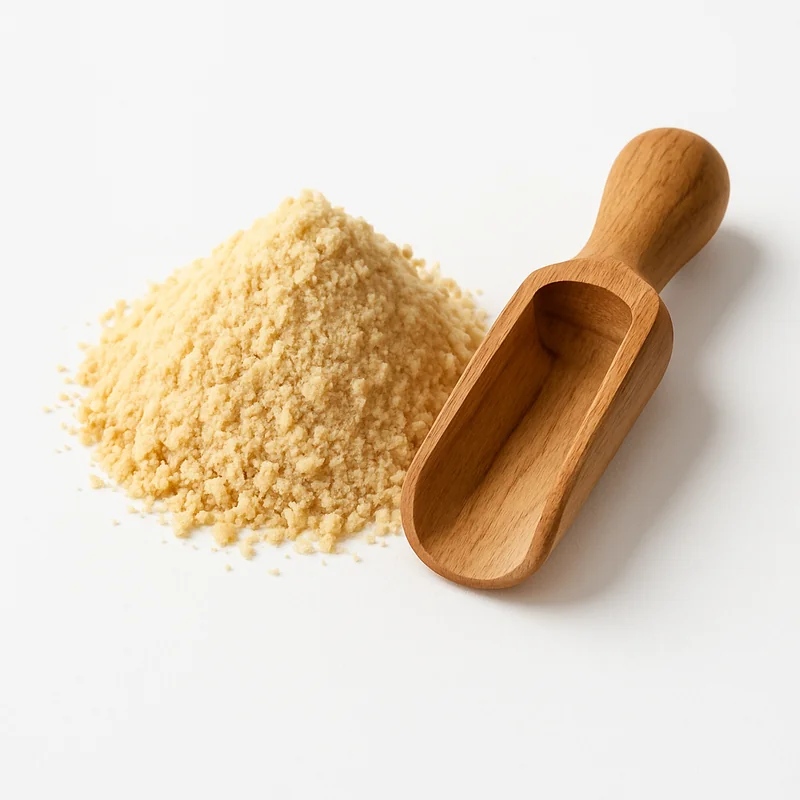
Chickpea flour (besan) is a finely ground powder from dried chickpeas, delivering exceptional plant-based protein, fiber, and micronutrients in a versatile legume ingredient with demonstrated metabolic and cardiovascular benefits.
Why Chickpea Flour (Besan) scores 91
% Daily Value per 1 oz (30 g)
Nutrition
per 100 g
Health benefits
Improved blood glucose control and insulin sensitivity
strong evidenceHigh fiber content (10.8g/100g) and resistant starch slow gastric emptying and glucose absorption, reducing postprandial blood sugar spikes and improving insulin secretion patterns over time
Enhanced gut microbiome diversity and short-chain fatty acid production
moderate evidenceResistant starch and insoluble fiber act as prebiotics, selectively feeding beneficial bacteria (Faecalibacterium, Roseburia) that produce butyrate, which strengthens intestinal barrier function and reduces systemic inflammation
Sustained muscle protein synthesis and lean mass preservation
moderate evidenceChickpea flour contains all nine essential amino acids with high lysine content (0.98g/100g), supporting muscle tissue turnover and reducing age-related sarcopenia risk when consumed with resistance training
Cardiovascular health through homocysteine reduction and cholesterol management
strong evidenceFolate (437 mcg/100g) facilitates homocysteine remethylation to methionine, lowering homocysteine levels (independent cardiovascular risk factor), while soluble fiber reduces LDL cholesterol absorption
Anti-inflammatory and antioxidant protection
emerging evidenceChickpea flour contains polyphenols and saponins that inhibit pro-inflammatory cytokines (TNF-α, IL-6) and reduce oxidative stress markers, supporting age-related disease prevention
Pairs well with
- ·Pair with turmeric and black pepper because curcumin absorption increases 2000% when combined with piperine, enhancing the anti-inflammatory effects of chickpea flour's polyphenols
- ·Combine with vitamin C-rich foods (citrus, tomato, bell pepper) because ascorbic acid reduces ferric iron to ferrous form, increasing non-heme iron bioavailability from 2-20%
- ·Mix with healthy fats (olive oil, ghee, sesame oil) because fat-soluble compounds in chickpea flour are better absorbed in the presence of dietary lipids, improving overall micronutrient uptake
- ·Pair with leafy greens (spinach, kale) because chickpea flour's folate and greens' additional folate work synergistically on one-carbon metabolism for DNA stability and epigenetic regulation
Practical tips
- ·Best timing: midday
- ·Store chickpea flour in an airtight container in a cool, dark place or refrigerator for up to 6 months to prevent oxidation of polyunsaturated fats and rancidity
- ·Toast chickpea flour lightly in a dry pan (2-3 minutes) before incorporating into batters or doughs to reduce phytic acid content by 10-15%, improving mineral absorption
- ·Use chickpea flour as a 1:1 egg replacer (3 tablespoons mixed with 3 tablespoons water) in baking to increase protein and fiber while reducing saturated fat
- ·Ferment or soak chickpea flour-based preparations overnight to reduce anti-nutrients (phytates, lectins) and enhance mineral bioavailability by up to 30%
- ·Consume chickpea flour-based meals with adequate hydration (250-500ml water) since high fiber intake requires sufficient fluid for proper digestive transit and prebiotic function
Related foods
What is Chickpea Flour (Besan) actually covering?
See which nutrients your diet already delivers and which ones your supplements still need to — food and pills measured on the same scale.
Check my nutrients2 questions · free · no account needed to start
Also on iPhone — get the free app
Evidence-based supplement guides, no spam
We send a short digest when new guides drop — nothing else. No affiliate pushes, no sponsored content, unsubscribe anytime.