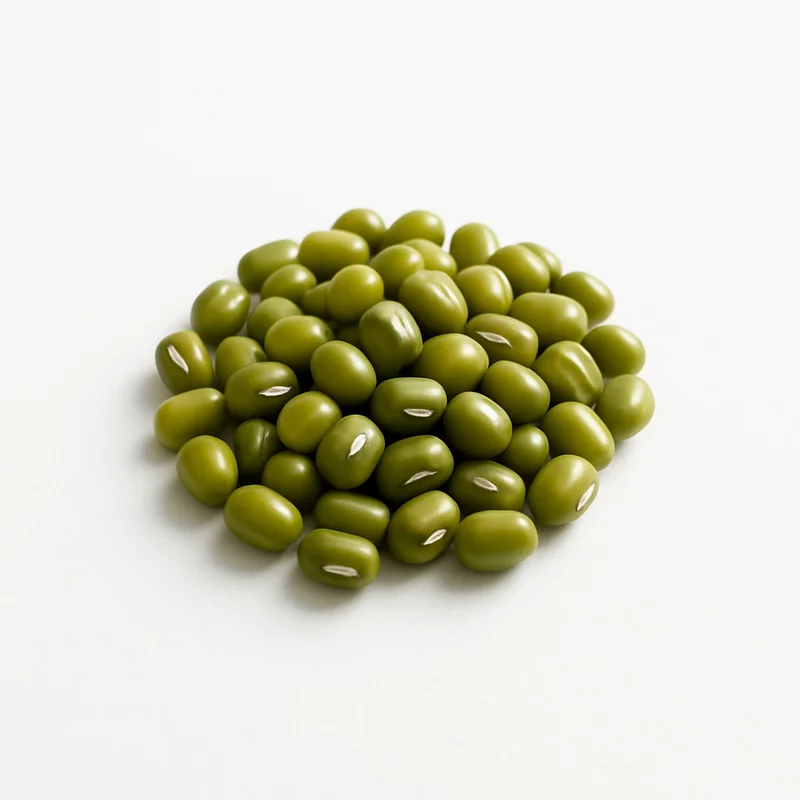
Mungo Bean
ScoreA+
Mungo beans are small, nutrient-dense legumes rich in plant-based protein, fiber, and essential minerals, supporting metabolic health and sustained energy.
Why Mungo Bean scores 93
% Daily Value per ½ cup (90 g)
Nutrition
per 100 g
Health benefits
Improved blood sugar control and reduced diabetes risk
strong evidenceHigh fiber and resistant starch content slows glucose absorption; polyphenols enhance insulin sensitivity and pancreatic beta-cell function
Enhanced cardiovascular health and cholesterol management
strong evidenceSoluble fiber (pectin) binds cholesterol in the digestive tract; polyphenols reduce oxidative stress and vascular inflammation
Support for iron status and oxygen transport
moderate evidenceHigh non-heme iron content with phytate levels lower than other legumes; vitamin C co-consumption enhances absorption
Anti-inflammatory and antioxidant defense
moderate evidenceKaempferol, catechin, and other polyphenols reduce pro-inflammatory cytokines and oxidative stress markers
Healthy aging through gut microbiota modulation
moderate evidencePrebiotic fiber ferments to short-chain fatty acids (butyrate) that strengthen intestinal barrier and reduce pathogenic bacteria
Pairs well with
- ·Pair with vitamin C-rich foods (bell peppers, tomatoes, citrus) to enhance non-heme iron absorption by up to 3-fold
- ·Combine with turmeric and black pepper to increase curcumin bioavailability while amplifying anti-inflammatory effects
- ·Mix with whole grains (brown rice, quinoa) to create a complete amino acid profile for optimal muscle protein synthesis
- ·Cook with garlic and ginger to enhance polyphenol absorption and add antimicrobial compounds
Practical tips
- ·Best timing: midday
- ·Sprout mungo beans for 3-5 days to reduce phytate content by 50% and boost folate bioavailability by up to 30%
- ·Soak dry beans for 4-8 hours before cooking to reduce cooking time and digestive discomfort from oligosaccharides
- ·Store dried mungo beans in airtight containers in a cool, dark place for up to 12 months to preserve nutrient density
- ·Include mungo bean sprouts raw in salads for maximum enzyme activity and heat-sensitive antioxidant preservation
Related foods
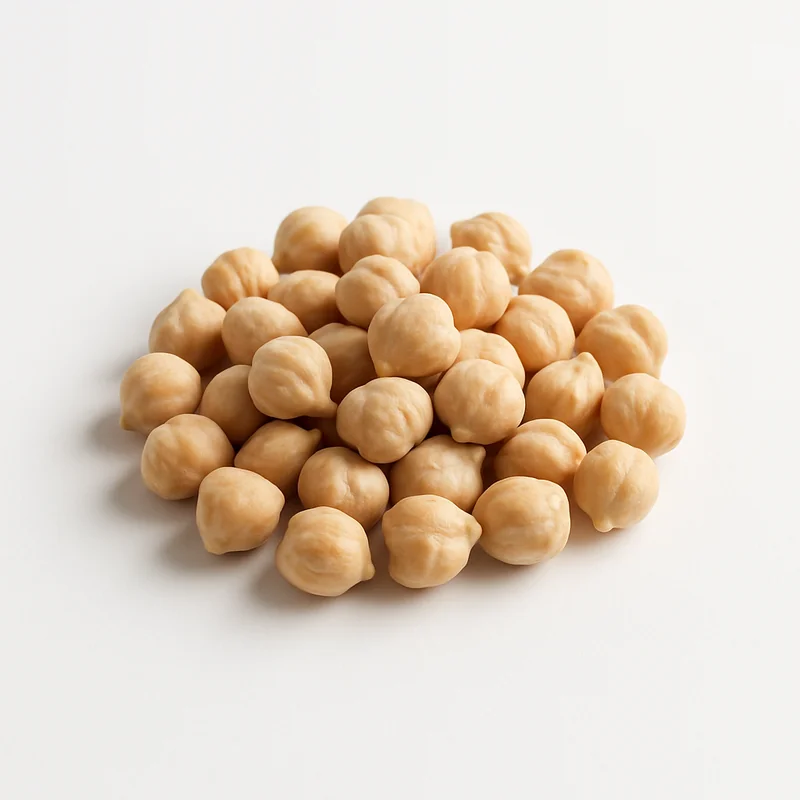
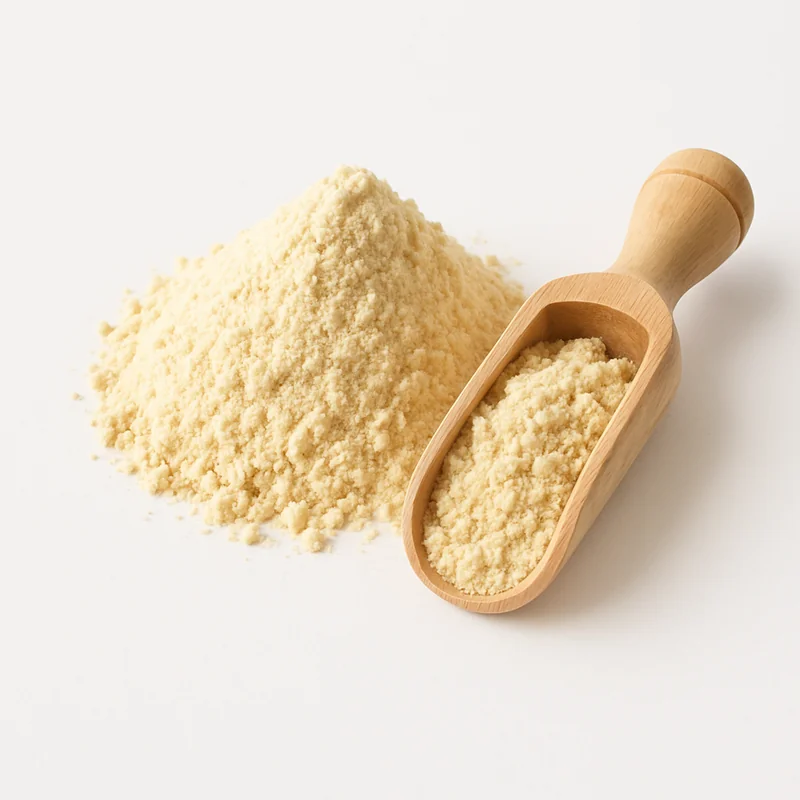
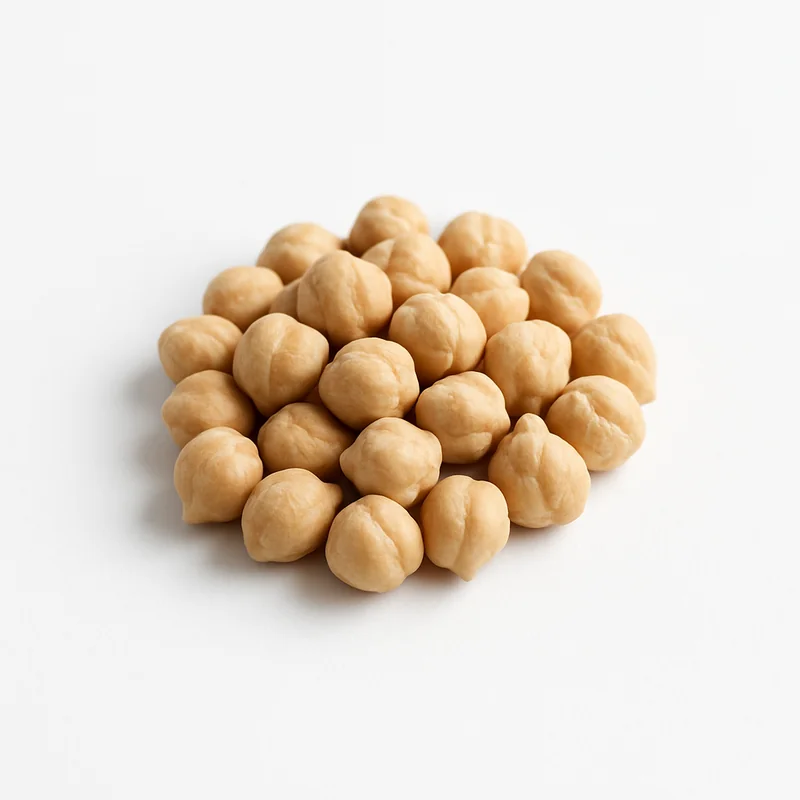
What is Mungo Bean actually covering?
See which nutrients your diet already delivers and which ones your supplements still need to — food and pills measured on the same scale.
Check my nutrients2 questions · free · no account needed to start
Also on iPhone — get the free app
Evidence-based supplement guides, no spam
We send a short digest when new guides drop — nothing else. No affiliate pushes, no sponsored content, unsubscribe anytime.